Ramaphosa seeks return of South Africans caught up in Russia’s war
It started with desperate phone calls.
Seventeen South African men, most from KwaZulu-Natal and one from the Eastern Cape are believed to be stuck in the war-ravaged Donbas region of Ukraine. By early November, their pleas for help had reached Pretoria.
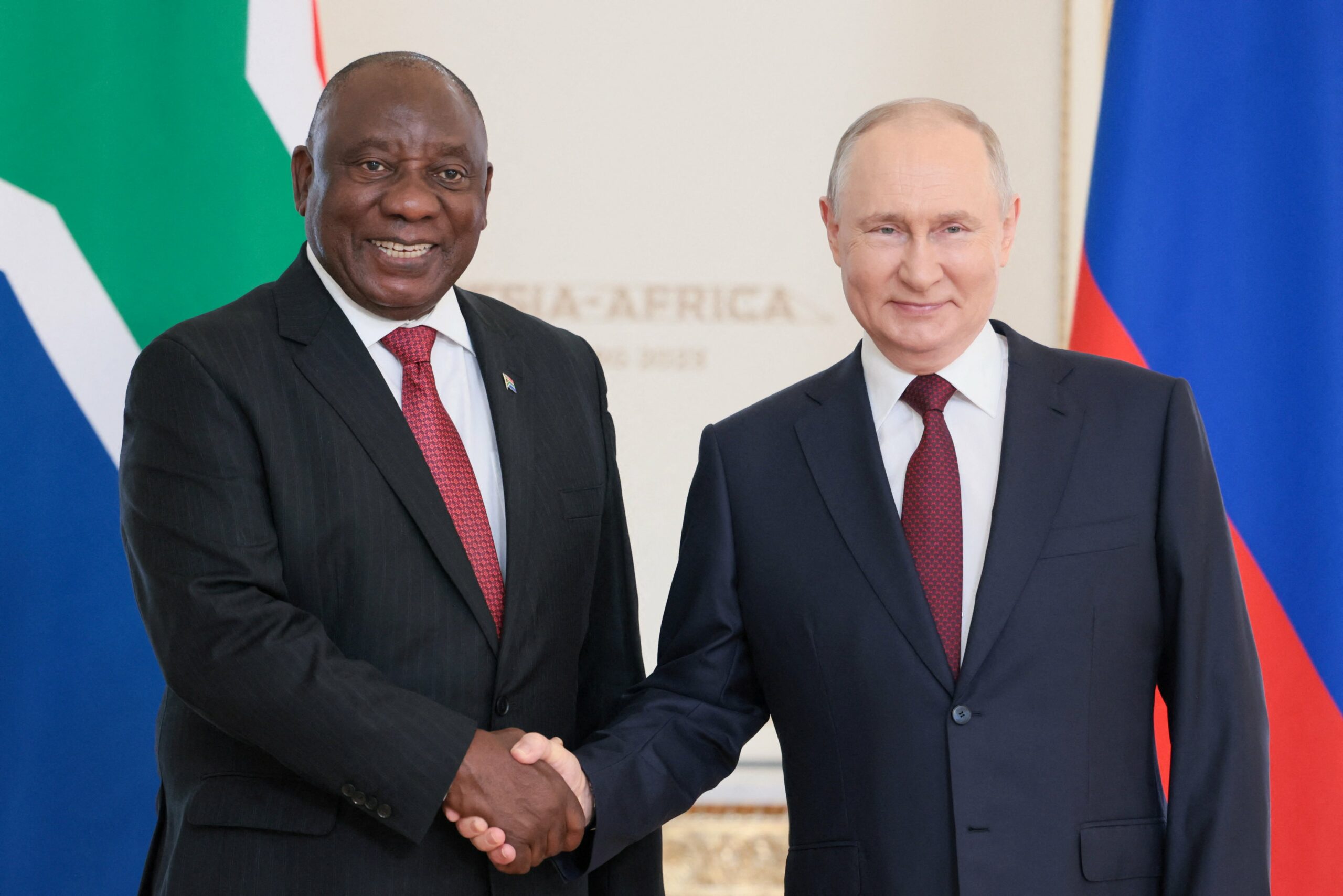
Now, President Cyril Ramaphosa has taken the matter directly to Russian President Vladimir Putin.
The phone call that followed distress signals
On Monday, Ramaphosa and Putin held a telephone conversation that touched on more than diplomacy. At the heart of it was the fate of South Africans who were reportedly recruited to fight alongside Russian forces in Ukraine.
According to Ramaphosa’s spokesperson, Vincent Magwenya, the Russian president briefed him on developments in Ukraine and reiterated Russia’s commitment to pursuing a diplomatic resolution to the conflict.
Ramaphosa, in turn, reaffirmed South Africa’s long-standing position: wars end at the negotiating table.
But beyond the broader geopolitics, both leaders pledged support for a process to return the South Africans currently in the conflict zone. Officials from both countries are expected to continue engagements aimed at finalising their repatriation.
For the families back home, that commitment may offer a flicker of hope.
Promises of opportunity and the reality of war
The 17 men were allegedly lured with promises of lucrative employment contracts, only to find themselves caught in one of the world’s most volatile war zones.
In communities across KZN, where youth unemployment remains stubbornly high, overseas job offers can sound like lifelines. Recruiters often speak the language of opportunity: security work, construction, logistics. The line between private security and active combat, however, can quickly blur in a conflict like Ukraine.
The Ukrainian embassy in Pretoria has denied that the men were fighting on Ukraine’s behalf. The Russian embassy has declined to comment publicly.
That silence has only fuelled speculation and concern.
The legal line South Africans cannot cross
South Africa’s Foreign Military Assistance Act of 1998 makes it illegal for citizens to provide military assistance to foreign governments or join foreign armed forces without authorisation from Pretoria.
In simple terms: South Africans are not allowed to sign up to fight other people’s wars unless the government says so.
The law was introduced in the post-apartheid era to prevent mercenary activity that once tied South Africans to conflicts across the continent. It was meant to draw a clear ethical and legal boundary.
This latest situation tests that boundary in a very modern way through online recruitment, private contracts and globalised conflict.
A balancing act on the global stage
Ramaphosa’s conversation with Putin also touched on bilateral relations, trade and cooperation in platforms like BRICS and the G20. South Africa maintains a comprehensive strategic partnership with Russia, even as it publicly calls for peaceful resolution in Ukraine.
That diplomatic balancing act has drawn mixed reactions at home.
On social media, some South Africans have questioned why citizens were able to leave and become involved in the conflict in the first place. Others argue that economic desperation makes people vulnerable to risky offers abroad.
“Bring them home first. Then ask the hard questions,” one user wrote.
Another posted: “We can’t ignore unemployment and then act shocked when young men chase dangerous money overseas.”
The human cost behind the headlines
It’s easy to talk about geopolitics, BRICS summits, strategic partnerships, global south diplomacy. Harder to imagine is what it means to be far from home in a region like Donbas, where fighting has reshaped entire cities.
For the families in KZN and the Eastern Cape, this isn’t about international alliances. It’s about sons, brothers and fathers who left home chasing opportunity and ended up in a war.
The next steps will happen largely behind closed doors, diplomatic teams negotiating logistics, permissions and safe passage.
But the outcome matters deeply.
Because in the end, this isn’t just a story about Ramaphosa and Putin on a phone line discussing international relations.
It’s about whether 17 South Africans can come home from a war that was never theirs to fight.