News
Ramaphosa’s R7 million SONA comes with high expectations and higher stakes
Ramaphosa’s R7 million SONA comes with high expectations and higher stakes
On Thursday night, the red carpet will once again be rolled out at Cape Town City Hall, but beyond the glamour and motorcades, South Africans are asking a far simpler question: Will this speech change anything?
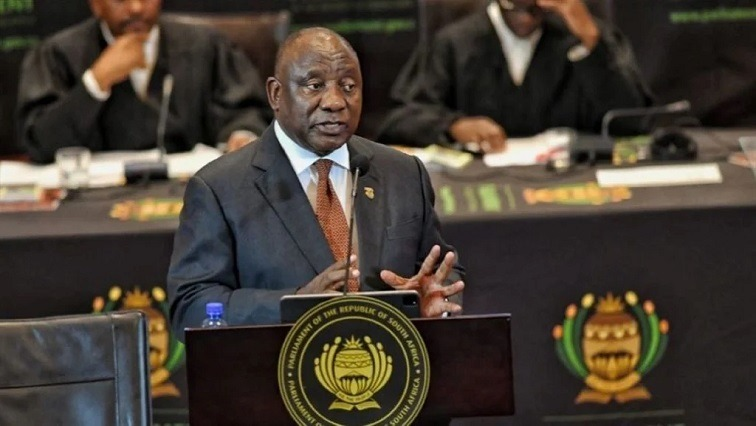
President Cyril Ramaphosa is set to deliver the 2026 State of the Nation Address (SONA), officially opening Parliament and outlining government’s priorities for the year ahead. The event carries a price tag of just over R7 million R7,025,000 to be exact and in a country battling 42.4% unemployment and sluggish 1% economic growth, that figure has not gone unnoticed.
A SONA shaped by fire and fallout
For the fourth year running, SONA will take place at the historic Cape Town City Hall. The relocation became necessary after the devastating January 2022 fire that gutted parts of Parliament, including the National Assembly chamber.
National Assembly Speaker Thoko Didiza has indicated that, if everything proceeds as planned, this could be the final time the opening of Parliament is held at the City Hall landmark. There’s a symbolic weight to that a country still rebuilding both physically and politically.
While former presidents Jacob Zuma and Kgalema Motlanthe have confirmed their attendance, Thabo Mbeki has sent his apologies. The guest list alone reflects the layered political history watching Ramaphosa from the front row.
Why R7 million?
Parliament’s Secretary, Xolile George, clarified that the bulk of the R7m cost goes toward broadcasting and ICT infrastructure not venue hire. The City Hall itself, he said, is not the primary expense driver.
Still, on social media, many South Africans have questioned whether such spending is justified during tough economic times. “R7 million for a speech?” one X user wrote. Others argue the national broadcast is a necessary democratic function, ensuring millions can follow the address live.
The debate mirrors a broader frustration: South Africans are less interested in the production value and more interested in outcomes.
Tight security, tighter patience
A heavy security presence has been deployed around the City Hall precinct. Several roads are closed, including stretches of Darling Street, Coronation Street and Longmarket Street. Pedestrian access is restricted, and traffic officers are stationed throughout the area.
Cape Town residents, used to SONA disruptions by now, have planned accordingly. But for many, the road closures feel symbolic another reminder that while politicians gather inside, daily life outside continues under strain.
What the country wants to hear
SONA is always a balancing act between vision and reality. This year, the expectations are particularly sharp.
Crime takes centre stage
Build One SA leader Mmusi Maimane has made it clear: crime must top the agenda.
His message is blunt no economy can function without safety. Stabilising the police service, he argues, is non-negotiable. It’s a sentiment echoed widely across communities grappling with hijackings, extortion rackets and violent crime.
In townships and suburbs alike, safety is no longer a political talking point; it’s personal.
Home Affairs reforms under the spotlight
The Democratic Alliance wants to see progress in Home Affairs highlighted, particularly under Minister Leon Schreiber. The department has been working to clear visa and permit backlogs, expand visa schemes, digitise systems and reduce illegal border crossings.
For businesses, especially in tourism and skilled industries, visa reform isn’t abstract it directly affects investment and job creation.
Jobs, growth and the cost of living
Cosatu’s Matthew Parks has warned that government cannot ignore the economic emergency. With unemployment sitting at 42.4% and growth stuck around 1%, labour is calling for bold interventions.
Lobby group Amandla.mobi is pushing for a basic income grant, arguing that millions simply cannot afford food. The cost-of-living crisis, from rising grocery bills to transport and electricity costs remains one of the most pressing daily struggles for ordinary South Africans.
In spaza shops and supermarket queues, policy debates translate into hard choices about what to put back on the shelf.
The unspoken test for Ramaphosa
This SONA arrives at a delicate political moment. Ramaphosa no longer speaks from a position of unchallenged dominance. Coalition politics, internal ANC pressures and a restless electorate mean every promise will be scrutinised more closely than ever.
There’s also the trust factor.
Over the years, South Africans have heard ambitious reform plans: economic renewal, anti-corruption drives, energy stability. Some progress has been made in certain areas, but public patience is wearing thin.
The real question isn’t just what Ramaphosa will promise it’s whether people still believe those promises can materialise.
More than a speech
SONA is not just a ceremonial address. It sets the legislative tone for the year and is followed by debates from political parties next week, with Ramaphosa replying thereafter.
But outside Parliament’s formal processes, the speech carries emotional weight. For the unemployed graduate in Soweto, the small business owner in Mitchells Plain, the farmworker in Limpopo SONA is a barometer of whether government sees them.
The R7 million production, the dignitaries, the motorcades, those are the optics. What South Africans are listening for is something far simpler:
A credible plan to make life safer, more affordable and more hopeful.
On Thursday night, the lights will shine brightly inside City Hall. The real test begins the morning after.
{Source: IOL}
Follow Joburg ETC on Facebook, Twitter , TikTok and Instagram
For more News in Johannesburg, visit joburgetc.com