Business
Pork price shock hits South Africa as disease outbreaks squeeze supply
Pork joins beef in fresh price surge as disease outbreaks tighten supply
Just as South Africans were adjusting to steeper beef prices, another staple is edging higher at the till. Pork is now under pressure too, with industry leaders warning that recent disease outbreaks are starting to squeeze supply and push prices up.
It comes at a time when many households are already stretching grocery budgets, swapping cuts, comparing specials, and watching every rand. Now, the knock-on effect of African Swine Fever is adding a fresh strain.
Disease outbreaks hit key farming regions
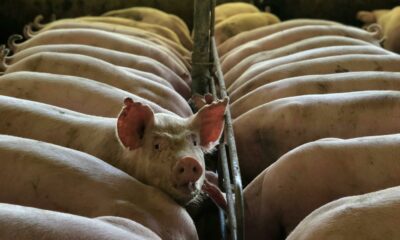
The South African Pork Producers’ Organisation, known as SAPPO, recently alerted the trade to outbreaks affecting commercial piggeries in the Free State, North West, KwaZulu-Natal, and the northeast of Pretoria. These developments follow the foot-and-mouth disease challenges that have already rattled the beef sector.
African Swine Fever does not pose any risk to human health, and SAPPO has confirmed that pork sold through formal channels remains safe to eat. Strict veterinary oversight under the Meat Safety Act continues to apply. Still, while the meat is safe, the economics are less comforting.
Small supply shifts, big price moves
According to Arnold Prinsloo, CEO of Eskort, the pork market reacts sharply to even modest supply disruptions.
South Africa slaughters around 72,000 pigs per week across both formal and informal sectors. Of that, roughly 7,000 pigs have been lost in the formal market due to the combined impact of African Swine Fever and Foot-and-Mouth Disease.
On paper, that may not sound dramatic. In reality, even a two percent shortfall can trigger price increases of about ten percent. That is the nature of pork’s price elasticity.
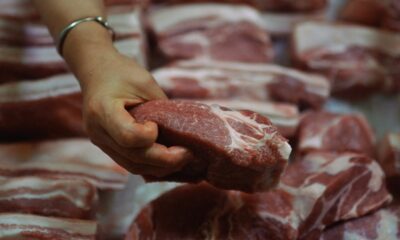
Wholesale pork prices have already jumped from around R32 per kilogram to roughly R40 in recent weeks. Further increases are expected as the effects move through the supply chain and reach retailers.
The buffer is gone
Until recently, the industry had surplus stock that helped keep prices steady. That cushion has now been used up. What we are seeing mirrors the supply and demand shock that recently hit beef.
Eskort, which accounts for about ten percent of the national pork market, has not recorded any cases of African Swine Fever or Foot-and-Mouth Disease among its farmers. Strong biosecurity measures have protected its operations so far. However, even companies unaffected by animal losses cannot escape broader market forces. When national supply contracts are in place, prices shift across the board.
Inflation warning lights flashing
For consumers, the concern goes beyond the butcher’s counter. Meat is a significant component of South Africa’s inflation basket.
Overall inflation is hovering at around 3.5 percent. Food and nonalcoholic beverages, however, are sitting higher at 4.4 percent year on year as of December 2025, after rising following the mid-2025 foot-and-mouth disease outbreak.
More telling is the meat category itself. In December, meat inflation climbed to 12.6 percent, up from 12.2 percent in November, according to Stats SA data. Economists at Nedbank have flagged meat as a key risk, warning that double-digit meat price inflation could persist until roughly April 2026.
For families already juggling electricity hikes, fuel costs, and school expenses, that is not easy news to swallow.
What this means for South African households
South Africans are famously adaptable in the kitchen. When beef soared, many pivoted to pork. Now that pork is rising too, shoppers may start leaning more heavily on chicken, plant-based options, or bulk-buying strategies.
On social media, conversations around grocery bills are growing louder. Shoppers are sharing tips, posting photos of price comparisons, and debating whether braais will become a more occasional treat.
The bigger story here is how interconnected the food system has become. A disease outbreak in a few provinces can ripple through national pricing in weeks. It is a reminder that food security, animal health, and inflation are tightly linked.
For now, pork remains safe to eat and widely available. But as supply tightens and inflation pressures build, South Africans may need to brace for a few more tough months at the checkout.
Follow Joburg ETC on Facebook, Twitter, TikT
For more News in Johannesburg, visit joburgetc.com
Source: Business Tech
Featured Image: upday News