Sports
2026 World Cup Ticket Prices Explode On FIFA Resale Platform
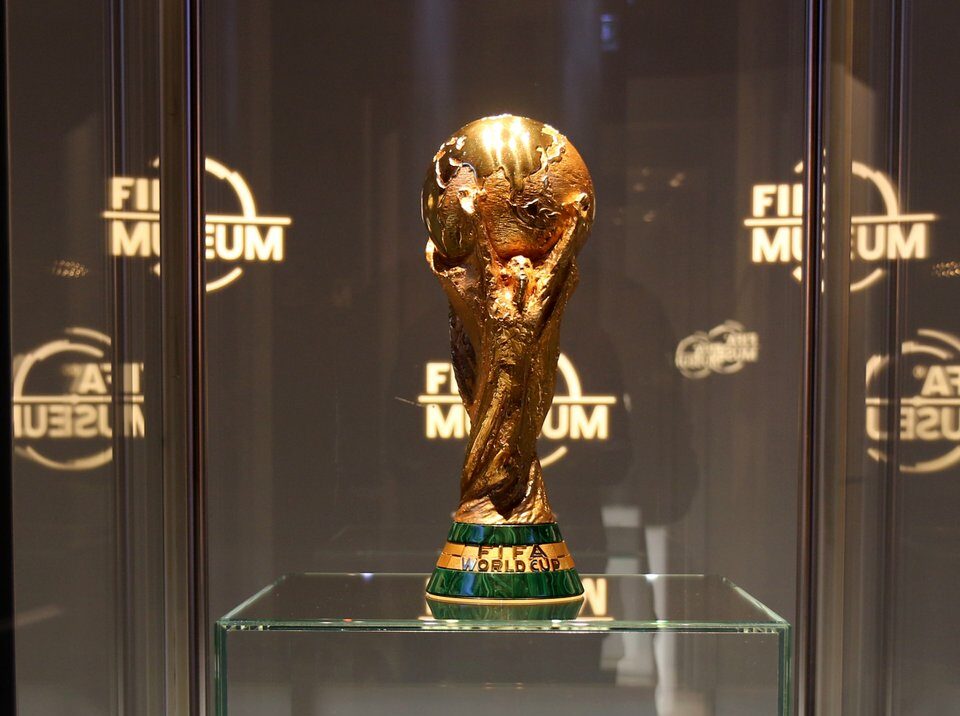
For many football fans, securing a seat at the 2026 World Cup was already a stretch. Now, just weeks after tickets were distributed in the latest sales phase, prices on FIFA’s official resale platform have shot into the stratosphere.
What was once a dream trip for supporters has, for some, turned into a financial mountain that feels impossible to climb.
Opening Match Prices Raise Eyebrows
The numbers are hard to ignore.
A category three ticket for the opening match between South Africa national football team and Mexico at Estadio Azteca on 11 June is currently listed at $5 324. The original price was $895.
Category three refers to the highest section of the stadium. These are not pitchside seats or luxury suites. Yet they are now being offered at nearly six times face value.
The final in East Rutherford, New Jersey, tells an even more staggering story. A category three seat for the showpiece on 19 July was listed at $143 750. The original cost was $3 450. Even the cheapest resale option for the final stood at $9 775.
In a tournament that will span the United States, Canada and Mexico, the numbers reflect just how fierce global demand has become.
A Rare Drop In Price
There have been isolated cases where resale listings dip below the original price.
One ticket for Austria’s group match against Jordan at Levi’s Stadium in California was listed at $552, slightly lower than its initial $620 cost.
But those examples are few and far between.
Why Prices Are So High
Earlier this year, Gianni Infantino warned that tickets appearing on resale platforms would likely come with hefty markups. That warning has now materialised on football’s own official system.
FIFA makes it clear that it acts as a facilitator in this fan to fan market, charging a 15 percent fee. Sellers determine their own prices. According to FIFA, the pricing model reflects market practice for major sporting and entertainment events in host countries.
There is also a legal grey area at play. The resale market is unregulated in the United States and Canada. In Mexico, reselling above face value is prohibited only if the ticket was purchased locally in pesos. That creates space for inflated listings across borders.
During official sales phases, FIFA applies what it calls variable pricing, where costs fluctuate depending on demand and availability. However, it insists it does not use an automatic dynamic pricing model.
A Long Running Ticket Debate
Ticket pricing has become one of the most contentious aspects of modern World Cups.
Fan organisations across Europe and beyond have accused FIFA of pricing out traditional supporters. While FIFA introduced a limited batch of $60 tickets for official supporters groups, critics argue that the allocation is too small to make a meaningful impact.
At the same time, demand remains overwhelming. FIFA has reported around 500 million ticket requests so far. That level of interest makes it clear that, despite the controversy, supporters across the globe are still desperate to be part of the tournament.
What Happens Next
FIFA began notifying applicants from the second sales phase on 5 February. A final last minute sales window will open in April and run until the end of the competition on a first come, first served basis.
For fans hoping to see Bafana Bafana walk out at the Azteca in June, the next few months could prove decisive.
The 2026 World Cup promises to be the biggest edition in history, spanning three countries and expanding the format. But as the resale figures show, the cost of being there in person may be rising just as quickly as the hype surrounding the tournament itself.
For more sports news and updates check out: soccermag and africapicks
{Source:SuperSport}
Follow Joburg ETC on Facebook, Twitter , TikTok and Instagram
For more News in Johannesburg, visit joburgetc.com