Business
Sugar crisis deepens as growers urge Ramaphosa to honour procurement pledge
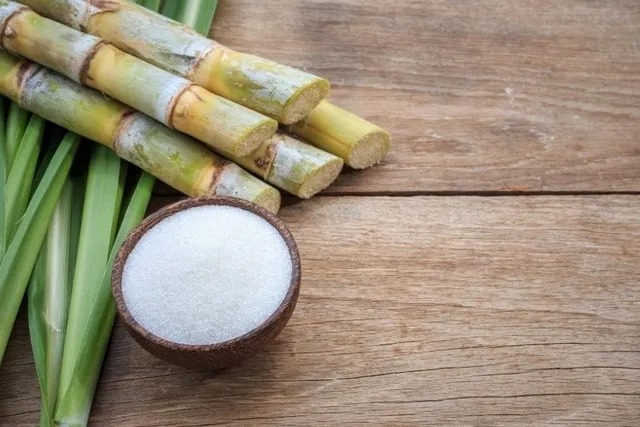
There is quiet anxiety rippling through South Africa’s cane fields.
From KwaZulu-Natal’s north coast to Mpumalanga’s rural farming communities, growers say they are facing one of the toughest periods in decades. This week, SA Canegrowers formally appealed to President Cyril Ramaphosa to step in, warning that the local sugar industry is under severe strain and edging towards collapse.
For thousands of farming families, this is not just policy talk. It is about livelihoods.
A promise made in 2021
In his 2021 State of the Nation Address, President Ramaphosa highlighted the signing of the Sugar Master Plan during the Covid-19 lockdown. The agreement committed major industrial users to source at least 80 percent of their sugar locally. At the time, it was positioned as a turning point.
The President said the plan had already resulted in increased local production and reduced imports, helping stabilise a sector that supports around 85,000 jobs across the value chain.
Five years on, SA Canegrowers says that commitment must now be reaffirmed and properly implemented. The organisation, which represents more than 25,000 growers, wants clarity on how much locally produced sugar is actually being procured.
They are urging the President to address the issue directly in his upcoming State of the Nation Address.
The numbers raising alarm bells
According to SA Canegrowers’ analysis of South African Revenue Service data, 163,379 tons of imported sugar entered the country between April and December 2025. That figure is roughly double the volume imported during the same period in 2024.
December alone saw 20,000 tons arrive from Brazil, India, and Thailand. Growers argue that weak import protections are allowing foreign sugar to displace local production at unprecedented levels. They say these imports are pushing South African sugar off retail shelves and out of supply contracts with food and beverage manufacturers.
The result: local farmers are earning less for their crop at a time when input costs remain high.
On social media, rural advocacy groups and farming bodies have echoed these concerns, describing the situation as a test of whether the government will stand by its own industrial commitments.
More than just big business
One detail often overlooked in the broader debate is how the sugar industry is structured. SA Canegrowers points out that the sector uniquely recognises both small-scale and large-scale farmers as commercial producers within an integrated, regulated value chain.
Industry agreements are designed to ensure equitable payments across growers and millers. In theory, this makes sugar one of the more inclusive agricultural sectors in the country.
For many rural communities, especially in KwaZulu-Natal, sugarcane is not just a crop. It anchors local economies, supports schools, and sustains small businesses. When cane farming contracts, entire towns feel it.
Pressure from all sides
Imports are not the only headwind. The industry also continues to grapple with the health promotion levy, commonly referred to as the sugar tax. SA Canegrowers maintains that the levy has already contributed to more than 16,000 job losses in South Africa.
The organisation says it is ready to engage constructively on public health concerns and improving competitiveness. However, it argues that policy must be coherent and consistent with commitments already made under the Sugar Master Plan.
A pivotal moment ahead
The call to action is clear. SA Canegrowers wants the President to not only restate his support for local procurement but also to ensure it is meaningfully enforced.
They argue that procurement commitments exist to protect domestic industries from unfair trade practices, especially when those industries provide clear public value through employment, food security, and rural development.
As the next State of the Nation Address approaches, sugar farmers will be listening closely. For them, this is about whether a pledge made during the height of a national crisis will translate into sustained protection for one of South Africa’s most established rural industries.
If the cane fields fall silent, the impact will be felt far beyond the farm gate.
Also read: Pork price shock hits South Africa as disease outbreaks squeeze supply
Follow Joburg ETC on Facebook, Twitter, TikT
For more News in Johannesburg, visit joburgetc.com
Source: Daily Investor
Featured Image: Indiana Sugars