Power & Utilities
“We can’t bathe on promises”: Anger boils over as Joburg residents protest water crisis
Frustration spills into the CBD
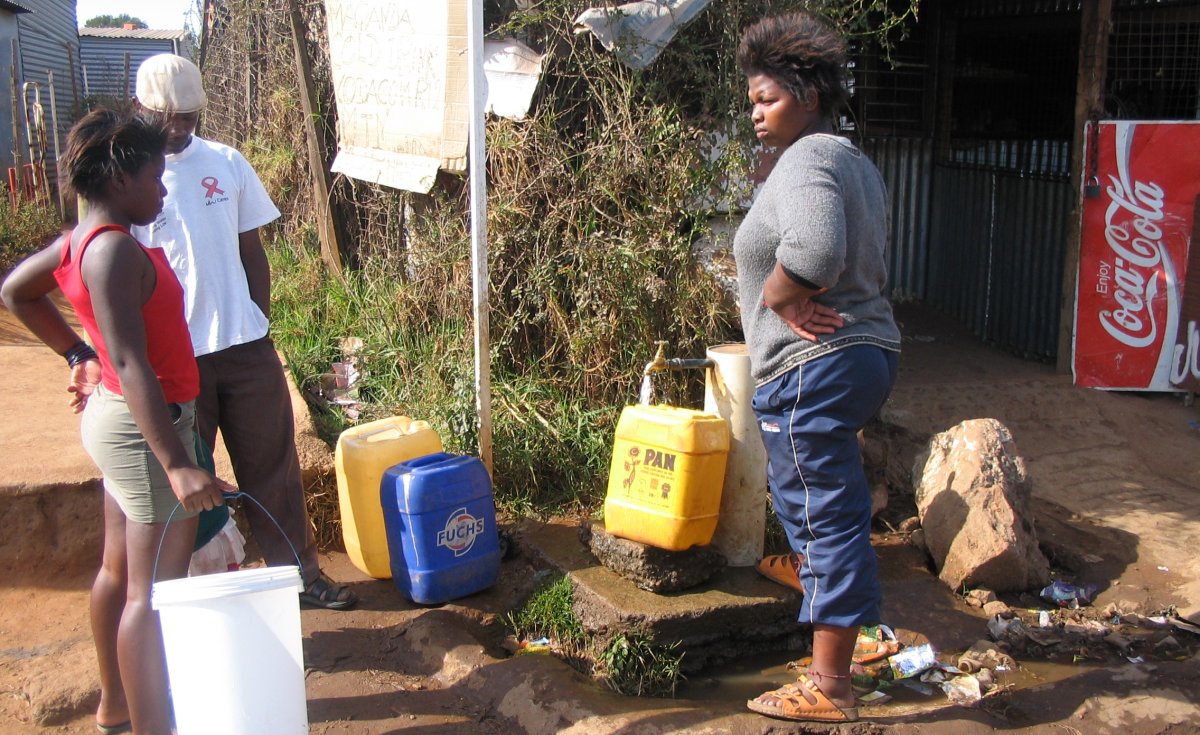
Buckets have become a permanent fixture in many Johannesburg homes. On Thursday, that frustration spilled into the streets.
Members of the uMkhonto weSizwe Party (MKP) gathered outside the headquarters of Panyaza Lesufi in the Johannesburg CBD, demanding urgent action over prolonged water outages affecting large parts of the city.
From Naturena to Melville, residents say they’ve reached breaking point.
Suburbs running dry
Communities across Greater Johannesburg, including Naturena, Robertsham, Southhills, Parktown and Melville have been grappling with inconsistent or non-existent water supply.
In Melville and nearby Emmarentia, some households have reportedly gone as long as 24 days without running water. In Naturena, residents say two weeks without supply has become normal.
The causes are familiar: ageing infrastructure, persistent leaks, rising demand and municipal debt pressures. But for residents, explanations don’t fill kettles or flush toilets.
“It is criminal what they are doing to us,” said MKP member Andile Chalwe, who led the protest group from Naturena. She accused government of repeating empty promises year after year while infrastructure continues to crumble.
Her reference to “SONA after SONA” struck a chord, particularly in an election season where national speeches promise reform while taps remain dry.
Ministers on the ground
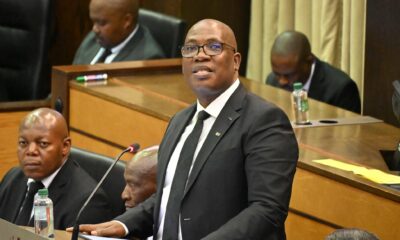
The protest unfolded as Water and Sanitation Minister Pemmy Majodina, her deputy David Mahlobo, and Cooperative Governance Minister Velinkosini Hlabisa conducted oversight visits in Johannesburg.
Majodina has repeatedly stressed that the heart of the crisis lies in decaying infrastructure. Fixing pipes, reservoirs and bulk supply systems is central to stabilising water delivery, not just in Gauteng, but nationally.
She has called for expanded reservoir capacity to provide backup during disruptions and acknowledged that ageing systems are driving leaks and losses.
Hlabisa, meanwhile, addressed calls for President Cyril Ramaphosa to declare the water crisis a national disaster. He explained that such a declaration is reserved for situations beyond the capacity of a department to manage. For now, he said, interventions remain within the scope of existing structures.
For many residents, that distinction feels bureaucratic.
The hotel comment that lit the match
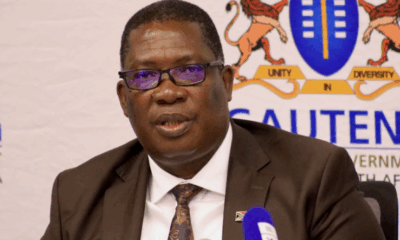
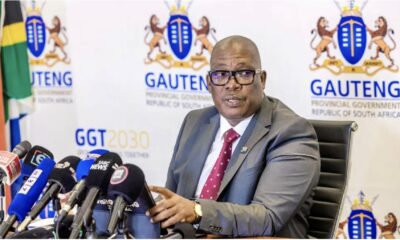
The protest also comes in the wake of Premier Lesufi’s controversial remark during a visit to Emmarentia, where he said even government officials experience water cuts and that he had, at times, bathed in a hotel before work engagements.
Though he later apologised, the comment was widely perceived as tone-deaf.
On social media, the backlash was immediate. Memes circulated showing luxury hotel bathrooms captioned with “Joburg survival kit.” Others pointed out that most residents don’t have the option of checking into a hotel during outages.
The remark became symbolic not just of inconvenience, but of inequality.
A deeper infrastructure crisis
South Africa’s water system was built decades ago, designed for a smaller population and different demand patterns. Rapid urban growth, underinvestment and governance failures have strained that system.
Experts have long warned that Gauteng’s bulk infrastructure requires massive capital investment figures exceeding R400 billion are often cited for nationwide upgrades.
The challenge isn’t simply supply. The Vaal River system, for example, holds significant water reserves. The bottleneck lies in treatment plants, pumping capacity, leak management and municipal maintenance.
Residents see the paradox daily: water in the river, but none in the tap.
Political pressure mounting
The MKP protest signals growing political pressure at provincial level. Water shortages have become a unifying grievance across income groups affecting townships, middle-class suburbs and inner-city areas alike.
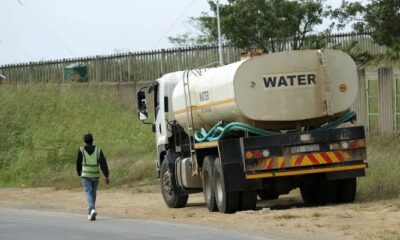
Community WhatsApp groups are now filled with tanker schedules and pressure updates. Small businesses, especially laundromats, restaurants and guesthouses, report financial strain during prolonged outages.
In an election year, water has become more than a service issue. It’s a political fault line.
Majodina insists progress is being made and that restoring stability remains a priority. Infrastructure upgrades, additional reservoirs and tighter oversight are part of the plan.
But for residents who have memorised tanker arrival times, patience is wearing thin.
The protest outside Lesufi’s office wasn’t just about one suburb or one week without water. It was about accumulated frustration about dignity, basic services and accountability.
In Johannesburg, the message is clear: speeches don’t wash dishes.
Only running water does.
{Source: IOL}
Follow Joburg ETC on Facebook, Twitter , TikTok and Instagram
For more News in Johannesburg, visit joburgetc.com