Business
Ramaphosa launches Illicit Economy Disruption Programme to fight illegal trade
Ramaphosa draws a line in the sand as illicit trade tightens its grip on SA
There’s a quiet war playing out in South Africa’s economy, one that doesn’t make daily headlines but costs billions and chips away at jobs. It’s happening at taxi ranks where cheap cigarettes change hands, at backdoor fuel depots, and in markets flooded with counterfeit goods.
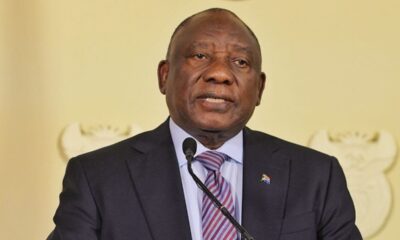
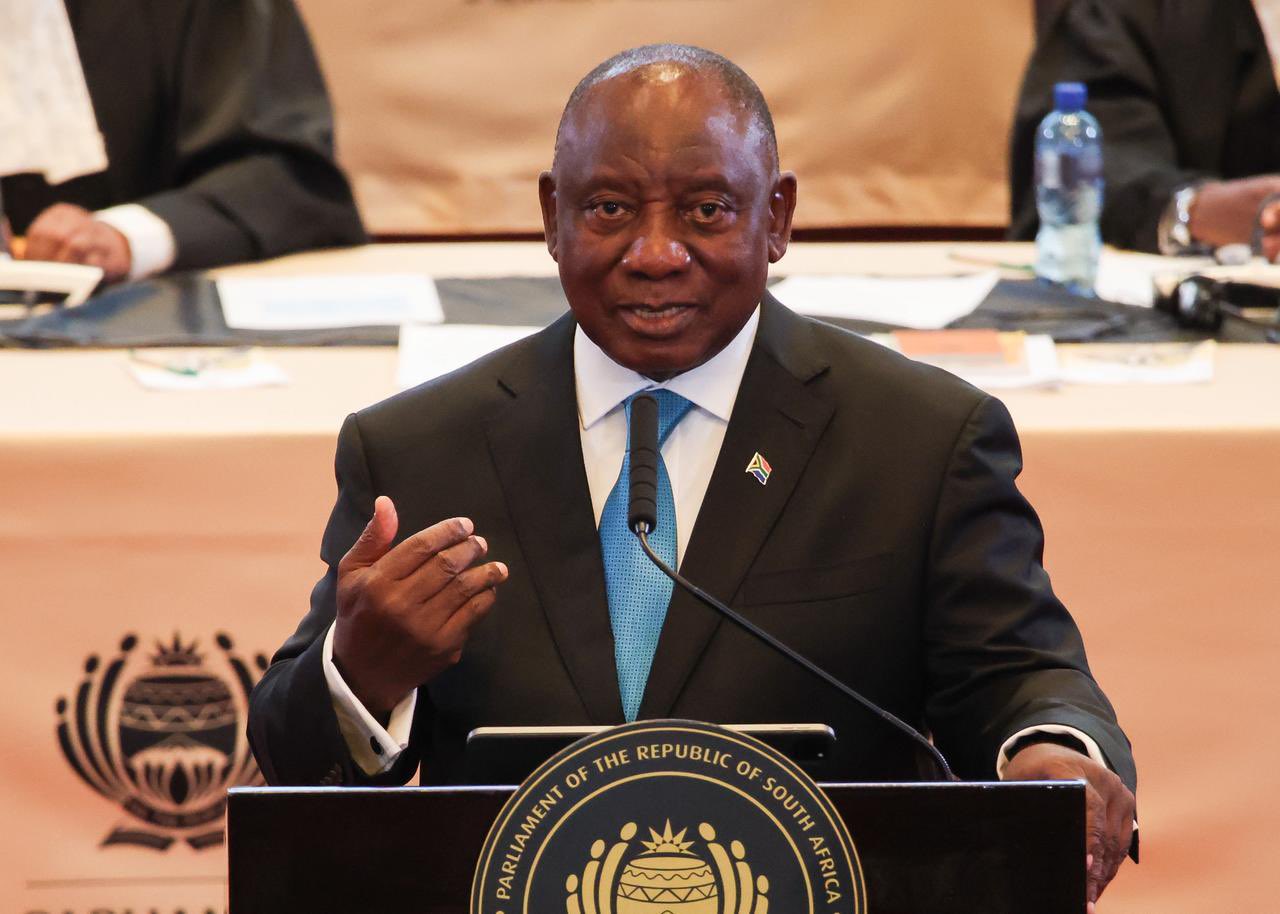
On Thursday night, President Cyril Ramaphosa signalled that government is ready to escalate the fight. During his State of the Nation Address, he unveiled a new Illicit Economy Disruption Programme aimed squarely at dismantling the criminal networks behind illegal tobacco, fuel, alcohol and fake products.
And it couldn’t come at a more urgent time.
The cigarette crisis that rang alarm bells
Recent reports suggest that as much as 75% of cigarettes sold in South Africa are now illegal. That’s not just a statistic it’s a seismic shift in an industry that once contributed heavily to tax revenue and employment.
Last month, British American Tobacco South Africa (BATSA) made headlines after announcing it had reached breaking point in trying to compete with the flood of illicit cigarettes and would walk away from its local production business. For many in the manufacturing sector, that moment felt like a red flag waving furiously in the wind.
On social media, the reaction was sharp. Some South Africans pointed fingers at weak enforcement and corruption. Others questioned how illegal cigarettes could dominate the market so openly without consequence. Either way, the message was clear: the system isn’t working.
Ramaphosa acknowledged the scale of the problem, describing organised crime as one of the most immediate threats to the country’s democracy, society and economic development.
A new strategy powered by data and AI
The Illicit Economy Disruption Programme, as outlined by the president, is not just another task team. It is intended to bring together multiple state agencies and private sector players under one coordinated strategy.
The plan includes using data analytics and artificial intelligence to identify high-risk sectors and track criminal syndicates operating across supply chains. Tobacco, fuel, alcohol and counterfeit goods are top of the list.
This tech-driven approach signals a shift in thinking. Illicit trade today is sophisticated, often run by well-organised networks that exploit loopholes in regulation and enforcement. Tracking them requires more than roadblocks and raids it requires intelligence-led policing and tighter coordination between departments.
Ramaphosa also promised faster investigations and stricter enforcement of existing laws. In other words, government says it will use the rules already on the books but apply them more decisively.
More than lost taxes, a threat to jobs
Illicit trade is often framed as a tax problem. When goods are smuggled or sold illegally, the state loses revenue that could fund schools, hospitals and infrastructure.
But there’s another side to the story: jobs.
When legal businesses cannot compete with untaxed or counterfeit goods sold at rock-bottom prices, factories scale down or shut their doors. Workers pay the price. Entire supply chains from farmers to truck drivers feel the ripple effect.
Ramaphosa stressed that the crackdown is about stabilising industries and protecting livelihoods. His broader message during Sona was that economic growth is underway, and government wants to support investment and job creation. Tackling illicit trade, he suggested, is part of creating a fair playing field for legitimate businesses.
Why this fight has been so difficult
South Africa’s battle with illicit trade is not new. The issue escalated dramatically during the Covid-19 lockdown, when bans on alcohol and tobacco created fertile ground for underground markets. Many of those networks never disappeared.
Over time, enforcement has struggled to keep pace. Fragmented coordination between agencies, stretched law enforcement capacity and allegations of corruption have all complicated the response.
That history makes this new programme both necessary and a test of credibility.
If it succeeds, it could restore confidence among investors and local manufacturers who have felt abandoned. If it falters, it risks reinforcing the perception that organised crime is always one step ahead.
A turning point or another promise?
The Illicit Economy Disruption Programme arrives at a moment when the country is wrestling with broader questions about governance, accountability and economic resilience.
Ramaphosa’s tone suggested urgency. He framed organised crime not as a side issue, but as a direct threat to democracy itself.
For ordinary South Africans, the outcome will be measured in tangible ways: Are illegal cigarettes harder to find? Do legitimate businesses regain market share? Are jobs saved?
The informal trader selling a suspiciously cheap pack on the street corner might seem far removed from the Union Buildings. But in truth, the battle against illicit trade touches everyone, from taxpayers to factory workers.
This time, government says it has a plan. The real story will unfold in how firmly and how consistently, that plan is put into action.
{Source: IOL}
Follow Joburg ETC on Facebook, Twitter , TikTok and Instagram
For more News in Johannesburg, visit joburgetc.com