Business
Beyond the Tap: Ramaphosa’s R156bn Water Plan and New State Entity to Combat SA’s Crisis
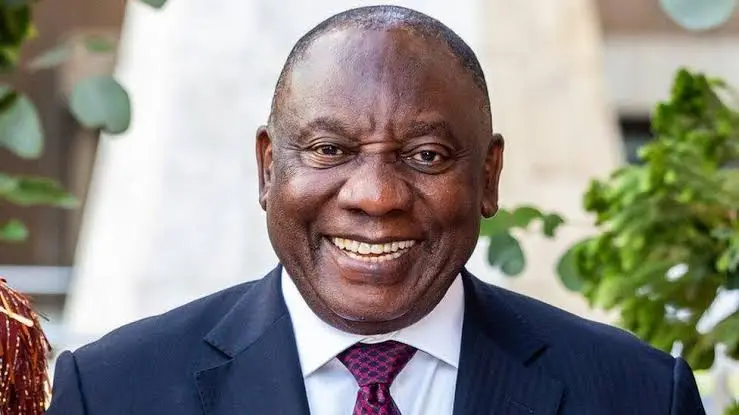
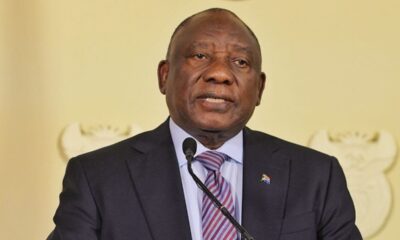
President Cyril Ramaphosa has delivered a sobering assessment of South Africa’s water crisis: it is, in his words, potentially “far worse than load shedding.” Speaking at the 2026 State of the Nation Address, he laid out a sweeping plan to confront the challenge, anchored by a new state-owned entity and a significant injection of capital.
The announcement comes as communities from Johannesburg to Knysna endure prolonged outages, exposing the fragility of a system the President admits has been crippled by years of municipal neglect and fragmented governance.
The New Sheriff: National Water Resource Infrastructure Agency
At the heart of the government’s response is the National Water Resource Infrastructure Agency, a state-owned company in its “final stages” of establishment. The agency’s mandate is twofold: to oversee the nation’s bulk water infrastructure and, critically, to mobilise funding for its upkeep and expansion.
The legal foundation was laid in 2024 when Parliament passed the National Water Resources Infrastructure SOC Bill, which was signed into law that August. The agency is designed to consolidate responsibilities currently scattered across multiple entitiesa fragmentation Ramaphosa and Water and Sanitation Minister Pemmy Majodina argue has deterred private investment and hindered strategic planning.
R156 Billion and a New Crisis Committee
The President committed R156 billion over the next three years to water infrastructurea substantial sum, though experts note it reflects the sheer scale of the backlog. But money alone, he acknowledged, is not the solution. “The real challenge is not a lack of water,” Ramaphosa stated. “It is getting water from the dam to the tap.”
To bridge that gap, he announced the formation of a National Water Crisis Committee, modelled on the energy crisis structure established three years ago. Chaired by the President himself, it will coordinate all existing interventions and deploy national resourcestechnicians, engineers, and fundingto distressed municipalities.
Accountability: Licences Revoked, Managers Charged
Ramaphosa’s tone toward failing municipalities was uncompromising. The Water Services Amendment Bill will empower the national government to withdraw the licences of water boards that miss performance targets. If a municipality cannot deliver water, he warned, “another entity must assume this responsibility.”
The President revealed that criminal charges have already been laid against 56 municipalities for violating the National Water Act. Municipal managers could personally face prosecution. The underlying issue, he said, is that water revenue is routinely diverted to “other purposes” rather than reinvested into fixing reservoirs, pumps, and pipes.
To counter this, a R54 billion incentive has been created to reward municipalities that improve water, sanitation, and electricity servicesfunds tied directly to infrastructure repair.
“No Silver Bullet”
Ramaphosa was candid about the limits of his plan. “There is no silver bullet,” he admitted. The crisis is the accumulated result of decades of underinvestment, poor maintenance, and weak governance. The new agency and crisis committee are structural responses, but they will take time to yield results.
For now, millions of South Africans remain dependent on water tankers and stored supplies. The President’s message to them was one of both acknowledgment and urgency: the state sees the problem, it is investing at scale, and it is finally willing to hold its own officials accountable. Whether that translates into water flowing reliably from taps is the only metric that will ultimately matter.
{Source: BusinessTech}
Follow Joburg ETC on Facebook, Twitter , TikTok and Instagram
For more News in Johannesburg, visit joburgetc.com