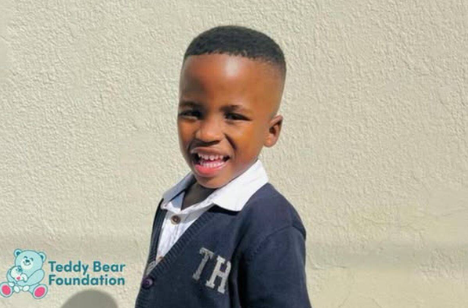
The family of five-year-old Manqoba Mnisi has waited nearly two weeks for answers. On Monday, the Gauteng Education Department confirmed they are finally comingbut the wait is not over.
The department announced it is finalising the appointment of an independent law firm to investigate the circumstances surrounding Mnisi’s death at Bernard Isaacs Primary School in Coronationville, Johannesburg. The Grade R learner allegedly died after being left alone in a classroom during a school function on Monday, 2 February 2026. He sustained injuries on the premises and passed away later that day in hospital.
A Family in Waiting, A Community in Grief
For the Mnisi family in Soweto, the past fortnight has been a blur of shock, grief, and unanswered questions. How was a five-year-old left unattended? What exactly happened in that classroom? Who is accountable?
Education MEC Matome Chiloane will visit the family on Friday, ahead of formally introducing the appointed law firm to both the family and the school on Tuesday, 17 February. “We express our heartfelt condolences to the learner’s family, the school, and the community during this extremely difficult time,” Chiloane said.
But condolences, the family has made clear, are not enough. They want accountability. They want to ensure no other parent receives that knock on the door.
Separate Crisis: Scholar Transport Disruptions
The Coronationville tragedy unfolded against a backdrop of separate but compounding dysfunction in the province’s education support system. Earlier this month, scholar transport service providers suspended operations over outstanding payments, leaving pupils stranded and attendance plummeting.
Mabona confirmed that payments have now been made and all affected transport operations are expected to resume on Monday, 16 February. The department apologised for the disruptions and pledged “comprehensive catch-up programmes” to recover lost teaching time.
Chiloane urged stakeholders to “prioritise engagements and avoid disruptions at all costs,” stating that such interruptions have a “negative impact on the well-being of learners and the broader community.”
Two Crises, One Question
A five-year-old dies alone in a classroom. Thousands of children cannot get to school because the department hasn’t paid its bills. These are not unrelated failures. They are symptoms of a system under strainwhere oversight falters, accountability diffuses, and the most vulnerable pay the price.
The law firm appointed to probe Mnisi’s death will face a narrow but critical mandate: establish what happened to one little boy on a Monday in February. But the broader questionhow South Africa’s schools became places where children are left behind, both literally and systemicallywill require a much longer investigation.