City Updates
South Africa’s water crisis: Ramaphosa promises intervention as pressure grows
South Africans are used to planning their lives around power cuts. Now, for many communities, the taps have joined the blackout schedule.
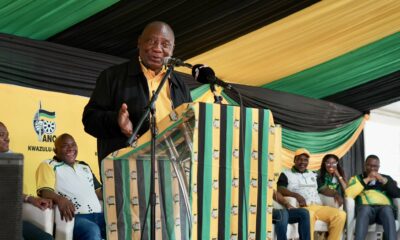
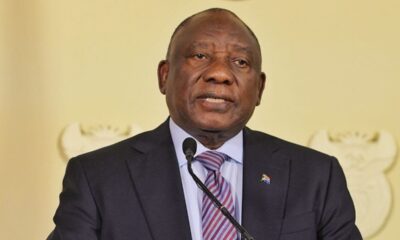
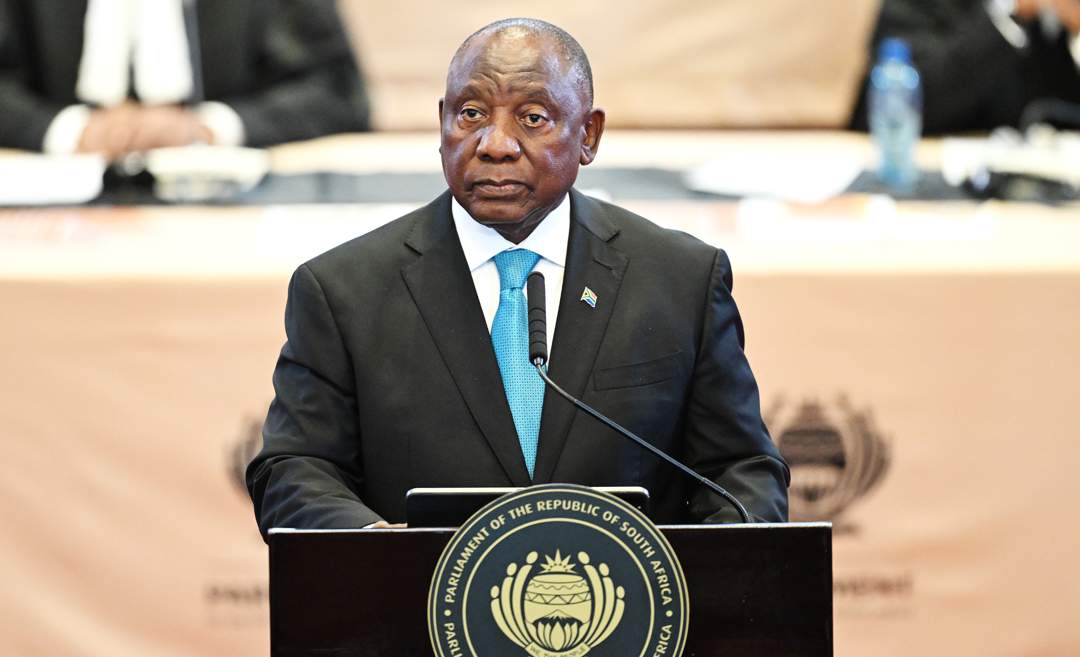
As the country faces a worsening water crisis, President Cyril Ramaphosa has pushed back against criticism that the government is out of touch. Speaking at the Presidential Golf Challenge in Melkbosstrand, just a day after delivering his State of the Nation Address, Ramaphosa said he understands the severity of the situation and that intervention is coming.
His message was clear: municipalities that fail to deliver water services will not be left unchecked.
A crisis with serious consequences
Across parts of Gauteng and other provinces, residents have endured water outages lasting weeks. Ageing infrastructure is buckling under pressure. In some areas, sewage contamination has compromised water sources. The longer this continues, the greater the risk to economic stability and social cohesion.
The South African Human Rights Commission has gone as far as calling for the crisis to be declared a national disaster, arguing that the situation has reached crisis proportions.
For families queuing at water tankers or rationing bottled water at home, that assessment does not feel dramatic. It feels accurate.
Who is responsible for water delivery?
Ramaphosa pointed to the constitutional framework that assigns water reticulation to local government. The national government allocates funding, but municipalities are responsible for maintaining systems and ensuring distribution.
In theory, the model promotes decentralised accountability. In practice, many municipalities have struggled with maintenance, capacity, and oversight. Infrastructure has deteriorated in several regions, with repairs often delayed or incomplete.
The President said the government has recognised that communities should not suffer because of municipal inaction. He indicated that national authorities are prepared to use provisions within the Water Act to intervene directly where necessary.
Lessons from Hammanskraal
Ramaphosa referenced government intervention in Hammanskraal, where waterworks were not properly maintained. After calling on the City of Tshwane to address the issue, the national government stepped in when progress stalled. According to the President, that intervention ensured water delivery continued, and the process remains ongoing.
For many South Africans, Hammanskraal has become symbolic of a broader pattern: long-standing infrastructure neglect followed by urgent intervention once public pressure peaks.
Holding municipalities to account
The President also signalled possible legislative changes to strengthen the government’s ability to step in. After 30 years of democracy, he said, it is time to correct what is not working.
That comment will resonate differently depending on where you stand. Some see it as overdue reform. Others question why it has taken so long for systemic weaknesses to be addressed.
Either way, the direction is clear. Municipalities that fail to maintain water services may face more direct national oversight.
“Focus on what works”
In a lighter moment, Ramaphosa criticised the media for focusing on what does not work, urging attention on positive developments as well. He joked that commentators should focus on the content of his speech rather than the tie he wore.
The remark drew mixed reactions online. Some social media users appreciated the humour. Others argued that when communities are without water for weeks, tone matters.
A defining test
Water security is not just about plumbing. It is about dignity, public health, and economic confidence. When taps run dry, trust often does too.
The call by the Human Rights Commission to declare a national disaster raises the stakes. Such a move would unlock extraordinary measures and resources, but it would also underscore the severity of the crisis.
South Africa has weathered many storms over three decades of democracy. Whether this water crisis becomes a turning point or another drawn-out emergency will depend on how swiftly and decisively government action follows these promises.
For now, millions are watching closely and waiting for water to flow consistently again.
Follow Joburg ETC on Facebook, Twitter, TikT
For more News in Johannesburg, visit joburgetc.com
Source: The Citizen
Featured Image: News24