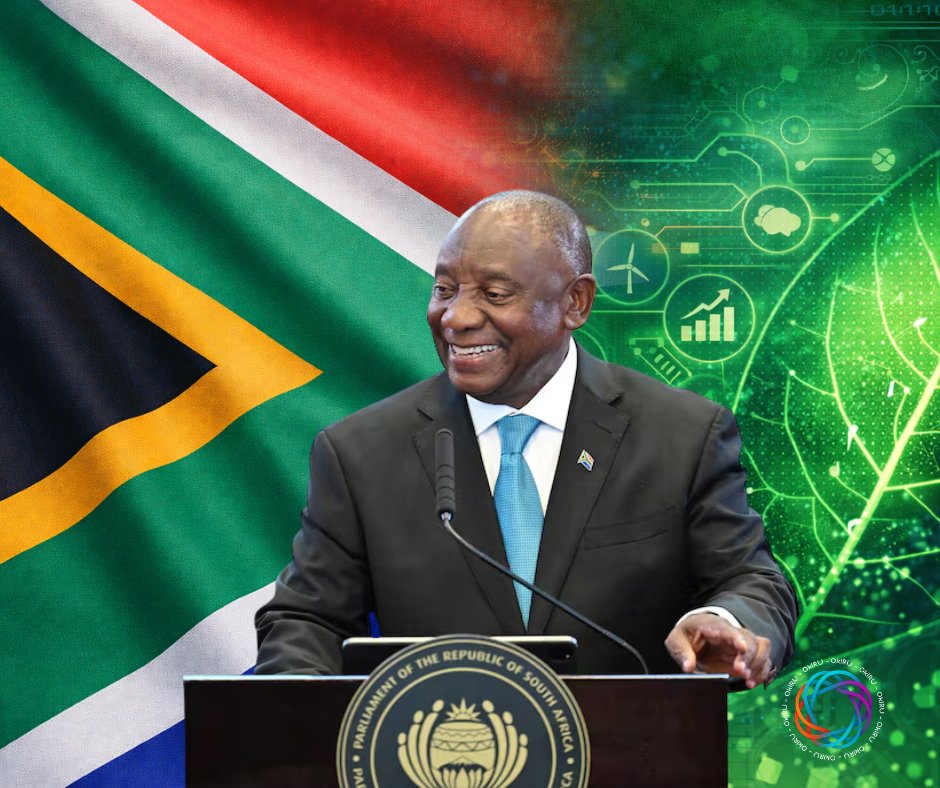
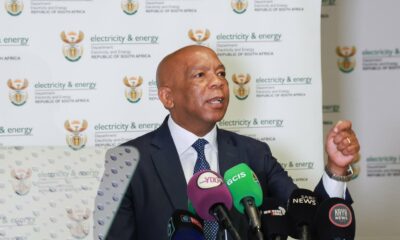
President Cyril Ramaphosa’s ninth State of the Nation Address delivered clarity on electricity, ambition on water, and resolve on crime. But as the echoes fade from the parliamentary chamber, a deafening silence remains: there was no strategy to halt South Africa’s accelerating de-industrialisation.
The president spoke of progress and partnership. He outlined the independent Transmission System Operator, a new water crisis committee, and a crackdown on organised crime. These are welcome. But for the thousands of workers facing retrenchment in the manufacturing sector, the speech offered nothing.
The Crisis in Numbers
The destruction of South Africa’s industrial base is not a theoryit is a body count. In the automotive sector alone:
-
Bridgestone closed its Port Elizabeth tyre plant in 2020.
-
Goodyear announced the closure of its Kariega facility last year.
-
13 component manufacturers have shut down in the past two years, according to the National Association of Automotive Component and Allied Manufacturers (Naacam).
-
Nissan is selling its Rosslyn plant.
-
Volkswagen has warned of “uncertainty” over jobs at Kariega.
Beyond cars, British American Tobacco South Africa will close its Heidelberg plant by the end of 2026, a direct consequence of the illicit cigarette trade consuming 75% of the legal market.
The common thread? Low-cost importsmany from Chinaundercutting local producers. Chinese vehicle models alone now account for 22% of all vehicle imports into South Africa.
The Policy Vacuum
The president’s speech was long on infrastructure and short on industrial strategy. There was no mention of:
-
A New Energy Vehicle policy to enable manufacturers to transition.
-
Measures to curb unfair import competition.
-
Support for localisation in government procurement.
-
A plan to rescue struggling industries before more factories close.
This is not a minor omission. Manufacturing is not just another sectorit is the backbone of formal employment, the anchor of technical skills, and the primary engine of export diversification. When a factory closes, it is not only jobs that vanish. Entire supply chains unravel. Communities hollow out. The tax base shrinks.
A Contrast in Urgency
The contrast is striking. On electricity, where policy confusion emerged in December, the president moved swiftly after engagement with business. Minister Kgosientsho Ramokgopa met with stakeholders within days. The result was clarity in the SONA.
On manufacturing, no such urgency was evident. Yet the warning signs have been flashing for years. The tyre plants closed. The component makers folded. BAT signalled its exit. The data is not new. The response, however, remains absent.
What Was Needed
A credible industrial strategy would include:
-
Fast-tracking the New Energy Vehicle policy to give automakers certainty.
-
Tariff and trade remedies to address unfair import competition.
-
Local procurement targets enforced across state-owned companies.
-
An intervention team for distressed industries, modelled on the energy task team.
None of this featured on Thursday night.
The Risk of Silence
The president’s approval ratings remain strong. The GNU has held. The fiscal picture is improving. But if manufacturing continues its slow collapse, those gains will prove hollow. There is no service sector capable of absorbing the jobs lost when a tyre plant or component factory shuts its doors.
The elephant in the chamber was not a lack of progress. It was a lack of urgency. And as the factories close and the imports surge, South Africa may find that the things left unsaid matter more than the ones the president chose to say.