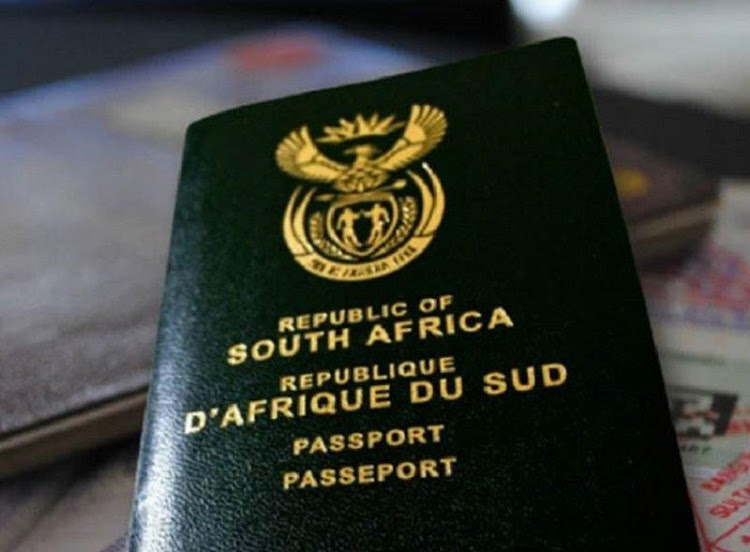
South Africa’s immigration crossroads sparks fierce national debate
When the public comment window closed on 15 February 2026, it didn’t quiet the noise. If anything, it amplified it.
South Africans had just wrapped up weighing in on a sweeping overhaul of citizenship, refugee protection and immigration rules, proposals that could reshape who gets to live, work and build a future here. And judging by the heated conversations on talk radio, WhatsApp groups and social media timelines, this isn’t just policy. It’s personal.
At the centre of it all is the Draft Revised White Paper released by the Department of Home Affairs in December 2025. Its message is clear: immigration should drive economic growth while safeguarding national security. But achieving both goals at once is where the real tension lies.
A system under strain
South Africa’s immigration debate doesn’t exist in a vacuum. Since around 2015, as unemployment climbed and public services buckled under pressure, frustrations have grown louder.
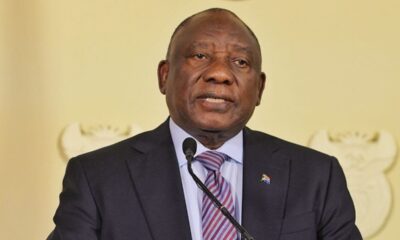
In his 2026 State of the Nation Address, President Cyril Ramaphosa described illegal immigration as a threat to stability and economic growth. He pledged tougher border enforcement and greater coordination between police, labour inspectors and home affairs officials.
Plans reportedly include deploying thousands of additional labour inspectors to clamp down on employers who hire undocumented workers a move aimed at sectors like agriculture, construction and small retail where tensions often flare.
Yet critics argue enforcement alone won’t fix what they see as deep-rooted administrative failures and years of backlogs.
Rewriting the immigration rulebook
The white paper proposes a major shift: from a compliance-heavy system to one designed to attract skills and investment.
Among the ideas on the table:
-
A streamlined visa for skilled workers, with clearer pathways to permanent residence.
-
A points-based system assessing applicants on qualifications, experience and economic contribution.
-
New visa categories for entrepreneurs, investors, artists and athletes.
-
More flexible rules allowing spouses of visa holders to work, study or start businesses.
-
Annual quotas for permanent residency applications, aligned with economic capacity.
An Immigration Advisory Board is also proposed to guide long-term strategy.
On paper, it’s a pivot toward competing globally for talent. South Africa loses thousands of skilled professionals abroad each year. The hope is to reverse that brain drain while maintaining control over lower-skilled migration.
But as any small business owner in Johannesburg or Durban will tell you, policy shifts mean little without efficient systems to back them up.
Refugees, rights and regional politics
Refugee policy may prove even more contentious.
South Africa does not operate refugee camps, meaning asylum seekers live within communities. Court rulings have affirmed their rights to work and access education. While that integration model is often praised internationally, it has also fuelled local resentment over strained clinics and classrooms.
One proposed change is a “first safe country” principle requiring asylum seekers to apply for protection in the first stable country they enter before reaching South Africa. Implementing this would require regional agreements and careful alignment with constitutional protections.
The paper also floats the idea of specialised refugee courts to reduce backlogs. Digitisation of processes is meant to improve efficiency, though concerns linger about excluding applicants without reliable internet access.
Rising tensions on the ground
Immigration policy debates are unfolding against a backdrop of renewed anti-immigrant rhetoric.
Groups such as Operation Dudula have staged campaigns targeting undocumented migrants and foreign-owned businesses. In townships like Soweto, threats to close foreign-run spaza shops have resurfaced.
The term “Afrophobia” hostility toward fellow Africans has again entered public discourse. South Africa has experienced deadly outbreaks of xenophobic violence in 2008 and 2015, leaving scars that still shape community relations today.
Political analysts warn that as the country edges closer to elections, immigration could become a convenient rallying cry.
A double-edged economic reality
Migration’s economic impact is complex.
Many migrants fill critical roles in healthcare, education and entrepreneurship. Foreign-owned small businesses contribute to township economies and supply chains. At the same time, high unemployment fuels perceptions that migrants compete for scarce jobs.
Provincial leaders, including Gauteng Premier Panyaza Lesufi, have publicly expressed frustration over undocumented migration’s strain on local services.
The white paper attempts to balance these realities: attracting high-skilled talent while tightening controls on irregular flows. Whether that balance is politically and practically achievable remains an open question.
The road ahead
With public consultations complete, attention now shifts to Parliament. Any significant reforms will require legislative amendments and, almost certainly, court scrutiny.
For many South Africans, the issue boils down to fairness. Fair border management. Fair access to services. Fair opportunities for citizens and newcomers alike.
The Constitution promises rights to “everyone” within the country’s borders. The challenge is reconciling that principle with economic hardship and social anxiety.
As debates rage online and in community halls, one thing is certain: immigration will remain in the spotlight. The real test will be whether the final framework builds cohesion or deepens the divides already visible across the nation.