News
West Bank land registration plan ignites annexation fears across Middle East
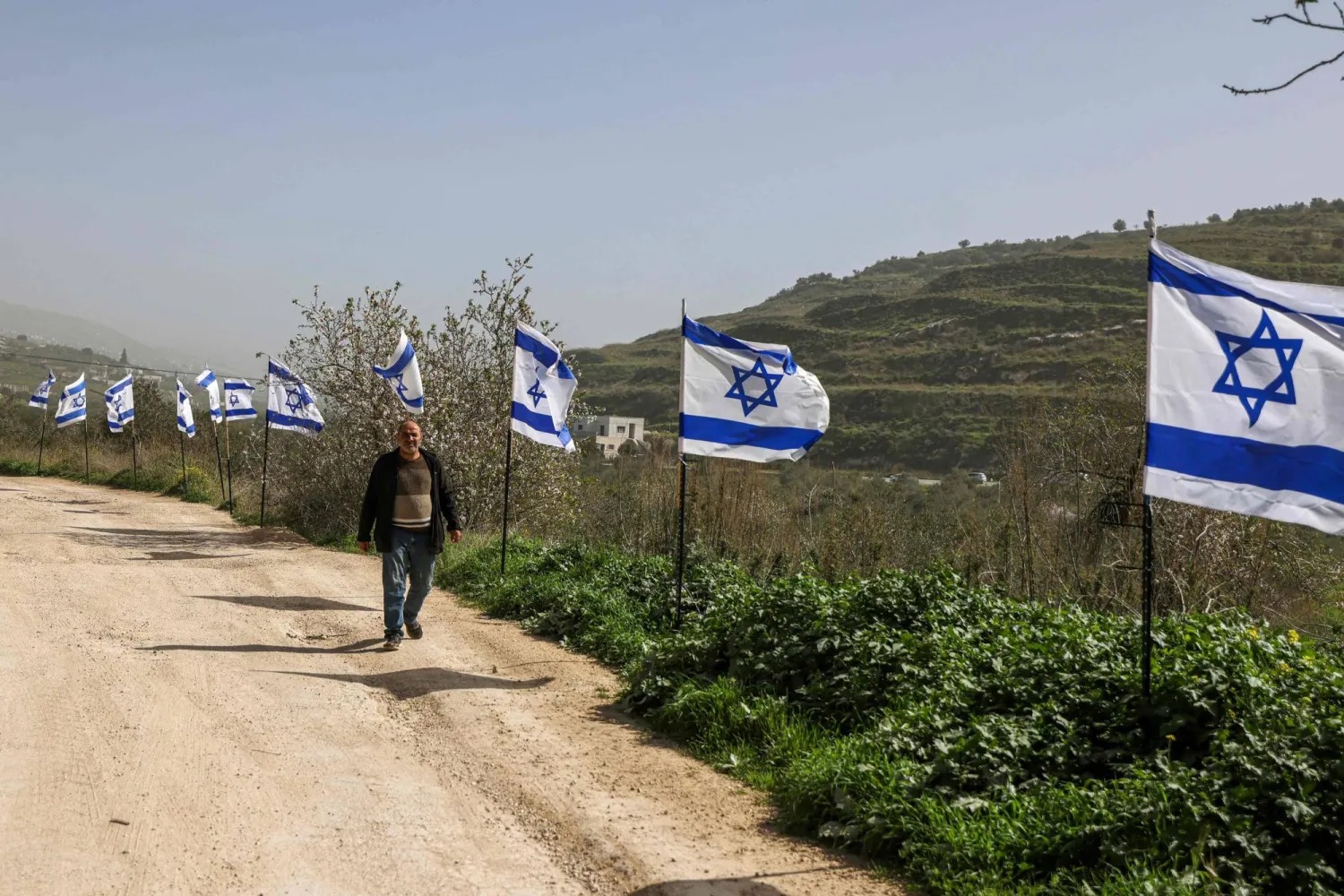
Tensions in the Middle East have sharpened once again after Israel approved a process to formally register land in the West Bank, a move critics are already calling a turning point.
Supporters inside Israel describe it as an administrative step meant to clarify ownership and settle legal disputes. Opponents, including several Arab governments and Palestinian leaders, argue it signals something far more consequential: a shift towards formalising Israeli control over territory long seen as central to any future Palestinian state.
What Israel says the plan will do
Israel’s foreign ministry has framed the decision as a legal cleanup. Officials say the registration process will bring “transparent and thorough clarification of rights” and help resolve disputes over ownership. They also argue that unlawful land registration has taken place in areas overseen by the Palestinian Authority, making a formal process necessary.
Israeli media reports indicate that land registration in the West Bank will be reopened for the first time since 1967, when Israel captured the territory during the Middle East war. The process is expected to apply only to Area C, which makes up about 60 percent of the West Bank and remains under Israeli security and administrative control.
Area C has long been at the centre of political and diplomatic friction. While it is administered by Israel, it is part of the broader West Bank territory that Palestinians see as foundational to a future state.
Why Arab nations are pushing back
The response from across the Arab world was swift and critical.
Egypt described the move as a “dangerous escalation” aimed at consolidating Israeli control over the occupied Palestinian territories. Qatar’s foreign ministry condemned what it called a decision to convert West Bank lands into so-called state property, warning that it would deprive Palestinians of their rights. Jordan also criticised the measure, calling it illegal under international law.
The Palestinian Authority has gone further, urging international intervention to prevent what it sees as the de facto beginning of annexation and an erosion of the foundations of a Palestinian state.
Even within Israel, the anti-settlement watchdog Peace Now labelled the measure a “mega land grab,” reflecting concerns that the policy could entrench settlement expansion and make a negotiated two-state solution even harder to achieve.
A deeper political shift
The land registration decision does not exist in isolation. Just days earlier, Israel’s security cabinet approved additional measures aimed at tightening control over parts of the West Bank administered by the Palestinian Authority under the Oslo Accords of the 1990s.
Those measures include allowing Jewish Israelis to purchase West Bank land directly and permitting Israeli authorities to administer certain religious sites in areas previously managed by the Palestinian Authority. Together, critics argue, the policies point to a broader strategy of consolidating authority over contested territory.
Excluding east Jerusalem, which Israel annexed, more than 500,000 Israelis live in settlements and outposts across the West Bank. These settlements are considered illegal under international law. At the same time, around three million Palestinians live in the territory, navigating a complex web of administrative zones and security arrangements.
Why this matters now
For Palestinians, the West Bank is not simply land. It represents the territorial backbone of a hoped-for independent state. For many on Israel’s religious right, however, it is viewed as part of the historic homeland and should remain under Israeli sovereignty.
That ideological divide has shaped politics on both sides for decades. What makes the current moment significant is the legal dimension. Formal land registration, if implemented, could alter property rights, administrative control, and future negotiation dynamics in a way that is difficult to reverse.
International reaction is likely to intensify as the process unfolds. With diplomatic relations already strained across the region, this development adds another layer of complexity to an already volatile landscape.
For now, what was presented as a bureaucratic exercise has quickly become a flashpoint in one of the world’s longest-running conflicts.
Follow Joburg ETC on Facebook, Twitter, TikT
For more News in Johannesburg, visit joburgetc.com
Source: IOL
Featured Image: Asharq Al-Awsat