
Courts & Legal
Advertising watchdog clears Tops at SPAR advert after washing machine safety fears
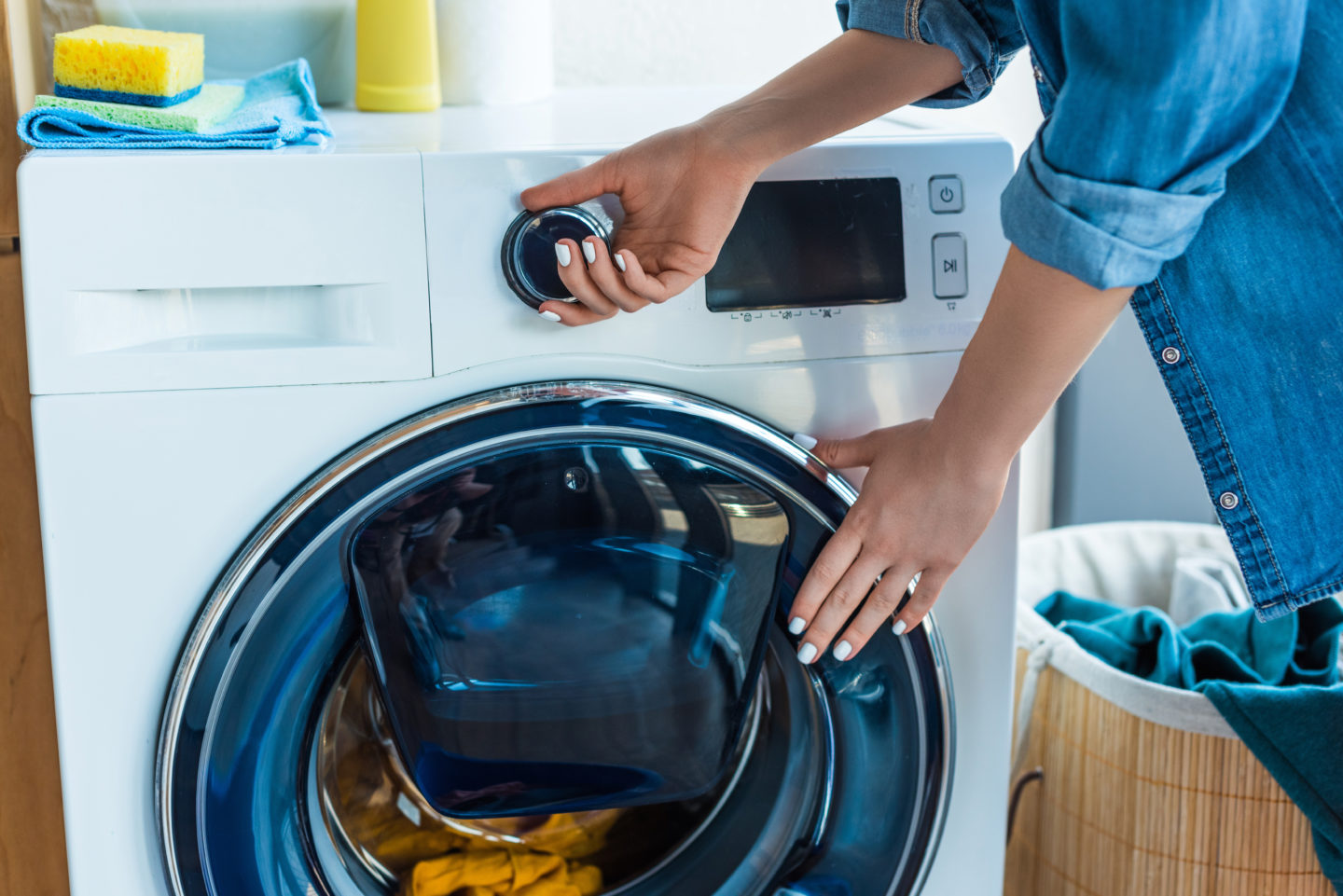
When a television advert leans into the surreal, it is bound to spark debate. That is exactly what happened when a complaint landed on the desk of the Advertising Regulatory Board about a high-energy commercial for Tops at SPAR.
The concern was serious. A viewer argued that one particular scene, where a man jumps into a washing machine, could inspire children to copy the act. In extreme cases, this kind of behaviour has led to tragedy.
Earlier this month, the Advertising Regulatory Board reviewed the complaint and reached a clear conclusion. The advert does not breach the advertising code.
The scene that sparked alarm
The commercial, flighted by SPAR Group Limited to promote Tops at SPAR, follows a man carrying a small branded cooler box. He moves through a rapid sequence of exaggerated scenarios: from a house party to a drinks cool room, then a mountaintop and a tent. He climbs out of a car boot and into a laundromat where a card game is taking place.
In one moment that caught viewers’ attention, he jumps into a washing machine. Instantly, he appears in a string of lively settings, including a bar, a bowling green, a silent disco, a beach, and eventually another house party.
The cooler box bears the slogan, “Tops at Spar – Turn up epic!”
Throughout the advert, a banner at the bottom reads, “Not for persons under the age of 18” and directs viewers to aware.co.za, the website of Aware.org, which promotes responsible alcohol consumption and provides information on alcohol-related harm.
The complaint and the response
The complainant argued that the washing machine scene could be dangerous if imitated by children. The concern was that a child might climb into a real washing machine and suffer fatal consequences if it were switched on.
In its response, the advertiser maintained that the commercial was built around exaggerated, humorous and clearly fictional scenarios. The washing machine scene, it said, was staged, controlled, and non-realistic. It stressed that the machine used was a purpose-built prop, not a functional appliance, and that the foam was purely a visual effect. Standard advertising safety protocols were followed throughout production.
The company also pointed out that the advert was scheduled during adult viewing times, reinforcing that it was aimed at an adult audience.
What the ARB considered
The Advertising Regulatory Board examined the matter under Clause 14 of Section II of its Code, which deals with children. The clause states that advertisements likely to influence children should not include content that could harm them mentally, morally, physically, or emotionally.
The Code recognises that children may not distinguish between props and real equipment. It also acknowledges that children often imitate both fantasy and reality in play.
The ARB said the complainant’s concern was not without merit. There have been tragic cases in the past involving children climbing into washing machines. However, it accepted that the commercial was targeted at adults and placed in adult viewing slots. In the board’s view, the advertiser had taken the necessary precautions to limit exposure to small children.
The directorate added that even if it had found the advert harmful, the likely sanction would have been to restrict it to adult viewing times, which was already the case.
The final ruling found that the commercial, as currently flighted, does not contravene Clause 14 of Section II of the Code.
A broader conversation about advertising and responsibility
In South Africa, alcohol advertising is often scrutinised, especially in a country grappling with the social impact of alcohol misuse. That is why the inclusion of the under-18 warning and the link to Aware.org was significant. It signalled that the campaign sits within existing industry efforts to promote responsible consumption.
Online reaction has been mixed. Some viewers felt the complaint was overly cautious, arguing that the exaggerated nature of the advert made it obviously fictional. Others said any depiction that could be imitated by a child deserves scrutiny, particularly when it involves everyday household appliances.
At its heart, the ruling reflects a balancing act. Creative advertising thrives on spectacle and humour, yet regulators must weigh that against real-world safety concerns. In this case, the watchdog decided that context, audience targeting, and clear precautions tipped the scales in favour of the advertiser.
For brands and viewers alike, the episode is a reminder that even the most playful campaigns can prompt serious questions about responsibility, perception, and the power of on-screen imagery.
Follow Joburg ETC on Facebook, Twitter, TikT
For more News in Johannesburg, visit joburgetc.com
Source: IOL
Featured Image: ablemagazine.co.uk


