News
Ramadan In Sokoto: A Prayer For Peace After US Air Strikes
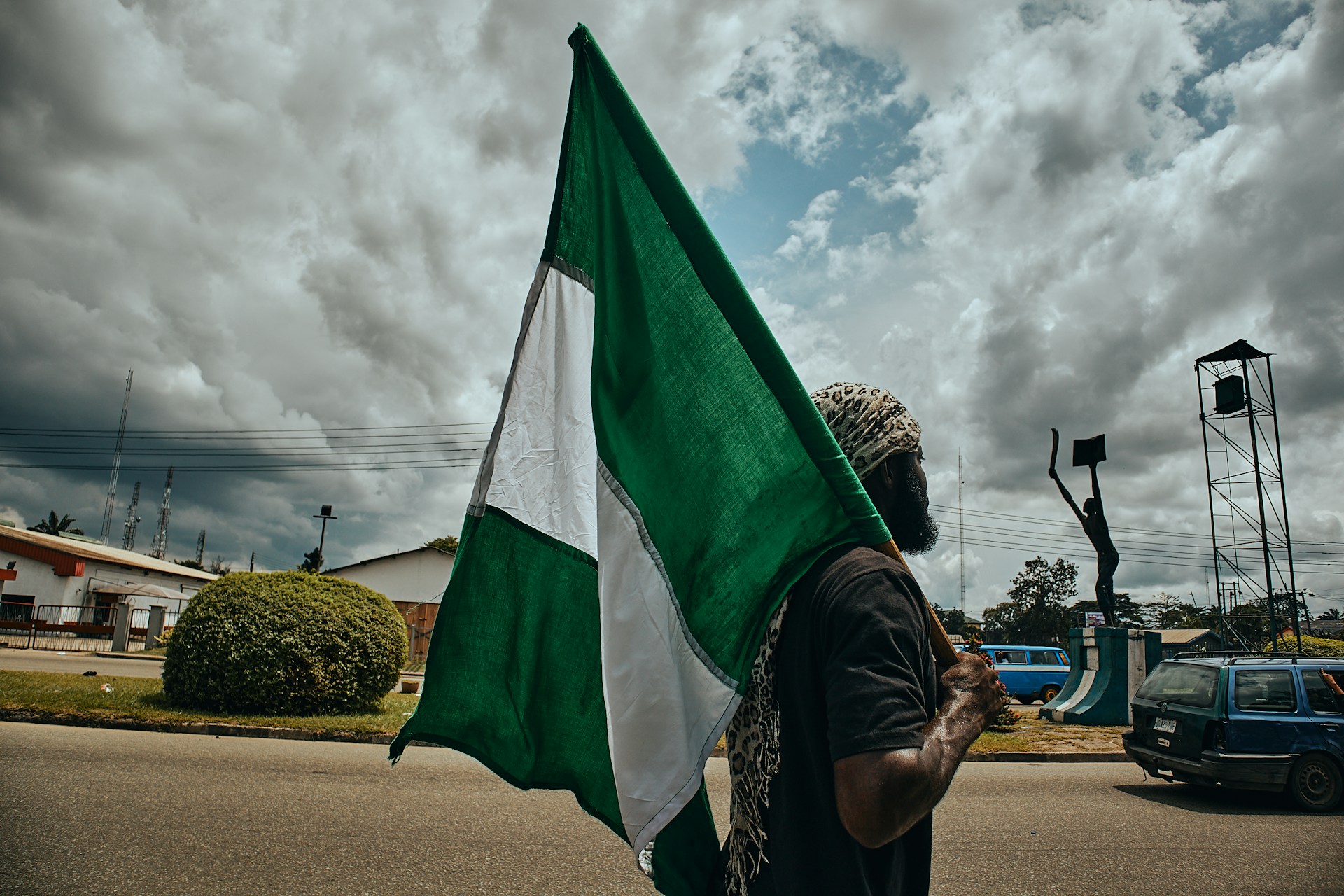
In Sokoto, the air is heavy with more than just heat.
As Ramadan approaches, the northern Nigerian state finds itself caught between spiritual anticipation and lingering unease. Just weeks after United States air strikes targeted suspected militant enclaves in Tangaza district on Christmas Day, local Muslims are preparing for the holy month with cautious hope.
For many here, Ramadan is not just about fasting from dawn to sunset. It is about healing, charity and community. This year, it carries a deeper meaning.
A Holy Month Under A Shadow
Sokoto holds special religious significance in Nigeria. It is home to Sultan Muhammadu Sa’ad Abubakar, the spiritual leader of Muslims in the country, who traditionally announces the sighting of the moon that signals the start of Ramadan.
Unlike neighbouring states long scarred by insurgency and banditry, Sokoto has largely been spared widespread violence. That changed on 25 December, when US forces struck what Nigerian authorities described as two major Islamic State enclaves.
For residents, the strikes were shocking not only because of who carried them out, but because of where they happened.
“It is a new thing in this part of the country,” said Ahmad Mustapha, a 37 year old doctor, recalling the sense of disbelief that rippled through communities just 75 kilometres away from the impact site.
Many remember the darkest days of Boko Haram, when bombings and insurgency dominated headlines across northern Nigeria. Sokoto had largely avoided that fate. The sudden military action felt like an unwelcome reminder that peace can be fragile.
Prayers In The Heat
At the Abu Hurairah Central Mosque in Sokoto city, hundreds gathered for Friday prayers despite sweltering temperatures. Children shuffled alongside elders, and worshippers filled every available space.
The imam’s message was clear. Brotherhood. Charity. Togetherness.
Ramadan, observed for 29 or 30 days depending on the moon sighting, is meant to recalibrate the soul. Fasting is only part of it. It is also a time when communities rally around the vulnerable, when generosity rises, and when even those on the margins feel seen.
For Umaru Riskuwa, a 59 year old mosque custodian, the holy month offers something even more urgent. A chance for those who have chosen violence to reconsider. A moment, perhaps, for hearts to soften.
Busy Streets, Quiet Determination
If fear lingers, it is not visible in the markets.
Sokoto’s central market buzzed with energy as shoppers prepared for Ramadan. Traders called out prices. Motorcycles weaved through traffic. Even at 8 pm, the city felt alive.
“Things are going normal,” said Aminu Muhammad, a trader. “We do not expect any evil thing to happen.”
That optimism feels deliberate. Almost defiant.
In a region where poverty is widespread, daily life demands resilience. According to Nigeria’s National Bureau of Statistics, more than 90 percent of people in the broader region were living below the poverty line in 2022. For families already stretched thin, security fears compound economic hardship.
State governor Ahmad Aliyu Sokoto recently announced maize and cash support for 1,000 residents ahead of Ramadan, promising continued assistance for families affected by banditry. For many locals, any support helps. Yet with poverty so widespread, the gesture underscores how deep the structural challenges run.
The Bigger Security Question
Security analysts remain divided about the armed group known locally as Lakurawa, which operates in Sokoto. Some researchers link elements of the group to the Islamic State Sahel Province, while others dispute those connections.
The involvement of the United States adds another layer to an already complex regional security puzzle. Nigeria has long battled homegrown insurgent groups, but international intervention shifts the narrative and raises new questions about sovereignty, strategy and long term stability.
On social media in Nigeria, reactions have been mixed. Some users praised the targeting of militant camps, arguing that decisive action is necessary to prevent insurgency from spreading. Others questioned the optics of foreign military strikes on Nigerian soil, particularly in a state that had not been widely considered a conflict zone.
Ramadan As A Turning Point
For now, Sokoto’s focus is not on geopolitics. It is on the crescent moon.
Ramadan in Nigeria is vibrant and communal. Evenings are marked by shared meals, roadside food vendors and extended prayers. In cities like Sokoto, it becomes a month when social bonds tighten.
This year, those bonds feel especially important.
Residents are praying not only for spiritual renewal, but for an end to violence in all its forms. They are hoping that the shock of Christmas Day will not define 2026.
As the faithful prepare to fast, Sokoto stands at a quiet crossroads. Between fear and faith. Between uncertainty and belief.
For many here, Ramadan is not just a ritual.
It is a plea.
{Source:EWN}
Follow Joburg ETC on Facebook, Twitter , TikTok and Instagram
For more News in Johannesburg, visit joburgetc.com