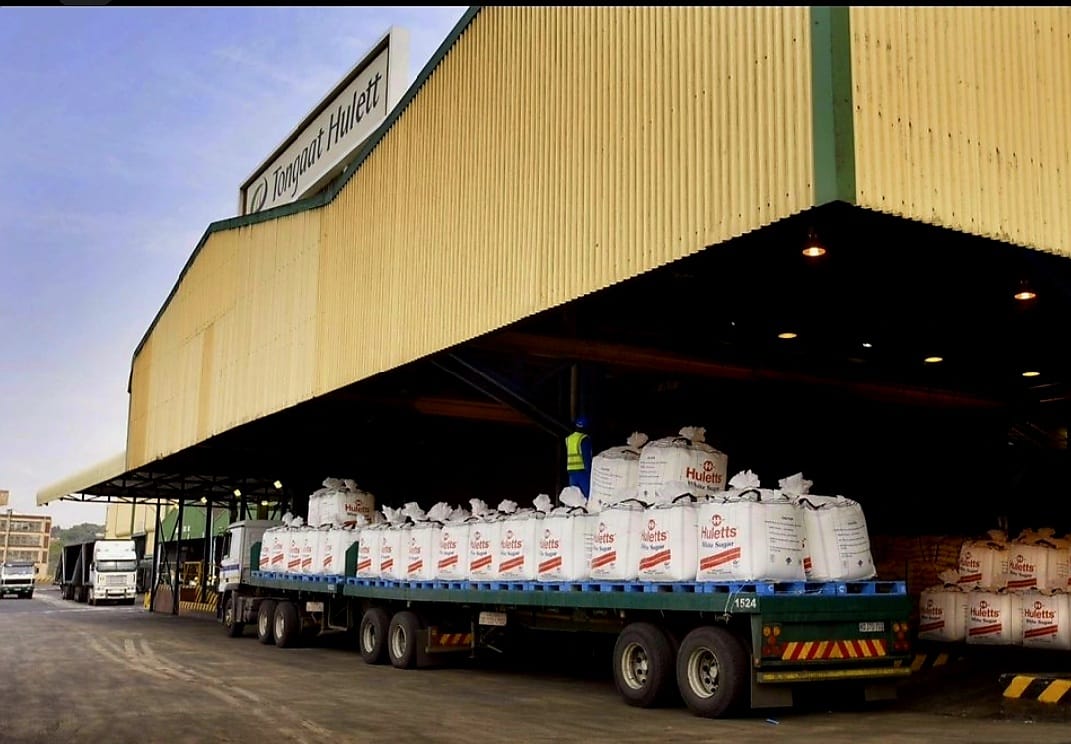
A historic pillar of South Africa’s sugar industry is on the brink of collapse, and the fallout could devastate rural KwaZulu-Natal. With Tongaat Hulett facing provisional liquidation, sugarcane farmers are sounding the alarm: without urgent state intervention, 250,000 jobs and over a million livelihoods could be swept away.
The crisis has been years in the making. Tongaat Hulett, founded in 1892, has never recovered from a major accounting fraud scandal in 2019. The company’s South African operations were placed in business rescue in October 2022, saddled with a staggering R12 billion debt pile. The rescue was meant to buy time. Instead, it has run out.
The Collapse of the Rescue Plan
In recent months, a proposed revival led by the Vision Consortium raised hopes. It promised fresh capital and a path forward. But the deal collapsed after funding commitments failed to materialise, leaving business rescue practitioners with no choice but to apply for provisional liquidation in early February 2026.
Practitioners had exhausted every option. They secured short-term loansincluding an additional R300 millionjust to keep basic operations running. But without a sustainable lifeline, the end is now imminent.
Who Pays the Price?
The human toll is staggering. Tongaat Hulett’s three KwaZulu-Natal millsMaidstone, Amatikulu, and Felixtonprocess cane from approximately:
-
15,446 small-scale farmers (about 60% of the nation’s 25,653 small-scale growers)
-
1,100 large-scale farmers who depend on the company’s milling capacity
If liquidation proceeds, these farmers face immediate non-payment for cane already delivered, plus unpaid levies and fees. With other mills unable to absorb the surplus, crops will rot in the fields.
The ripple effects extend far beyond the farm gate. Trade unions warn that up to 250,000 jobs in the cane-growing sector could be lost. When families and downstream industriestransporters, suppliers, local businessesare factored in, over a million people could be affected.
For rural communities in KwaZulu-Natal’s sugar belt, where poverty and limited opportunities are already entrenched, this would be catastrophic. Small-scale farmers, many from historically disadvantaged backgrounds, could lose their businesses entirely, triggering food insecurity and accelerating migration to already-strained urban centres.
Farmers Demand Action
The South African Farmers Development Association (SAFDA) has been at the forefront of the fight. Executive chairman Dr Siyabonga Madlala is urging calm while pressing for high-level intervention.
Madlala points to commitments made by President Cyril Ramaphosa and Minister of Trade, Industry and Competition Parks Tau to step in. A dedicated task team is exploring solutions, including potential funding from the Industrial Development Corporation (IDC) to keep operations running.
But farmers need more than promises. They need a functional mill. They need payments for cane delivered. They need certainty that a century-old industry will not be allowed to crumble because of governance failures and financial mismanagement.
The Bigger Picture
The Tongaat Hulett crisis is not an isolated corporate failure. It exposes the fragility of South Africa’s agricultural value chains and the devastating human cost when a single dominant player collapses.
Add to that external pressures: cheap sugar imports from neighbouring countries like Eswatini have undercut local prices for years, making recovery even harder. The industry cannot compete on a tilted playing field, and the state’s failure to address unfair trade practices has compounded the crisis.
What Happens Next
The liquidation application is now before the courts. If granted, the mills could close within months. Farmers will be left with unpaid bills and rotting cane. Workers will join the unemployment lines. Rural towns will hollow out.
SAFDA is calling for urgent interventionnot a bailout for executives who presided over failure, but a rescue of the productive capacity that sustains communities. That means ensuring the mills keep running, whether under new ownership, state support, or a restructured cooperative model.
“Farmers cannot wait,” Madlala has said. “Every day the mills are silent, livelihoods die.”
The sugar industry has fed South Africa for over a century. Whether it survives the next few months will depend on whether the state finally actsbefore the cane fields turn from gold to brown.