City Updates
Water shifting quietly creeps into Gauteng as taps run dry
Water shifting quietly creeps into Gauteng as taps run dry
It’s no longer just about load shedding. In parts of Gauteng, residents are starting to whisper about something new, “water shifting”.
The term, first used publicly by Deputy President Paul Mashatile, has quickly become the latest buzzword in community WhatsApp groups. And according to the Democratic Alliance (DA), it may already be happening in Johannesburg without clear communication to the people most affected.
Are some areas being switched off?
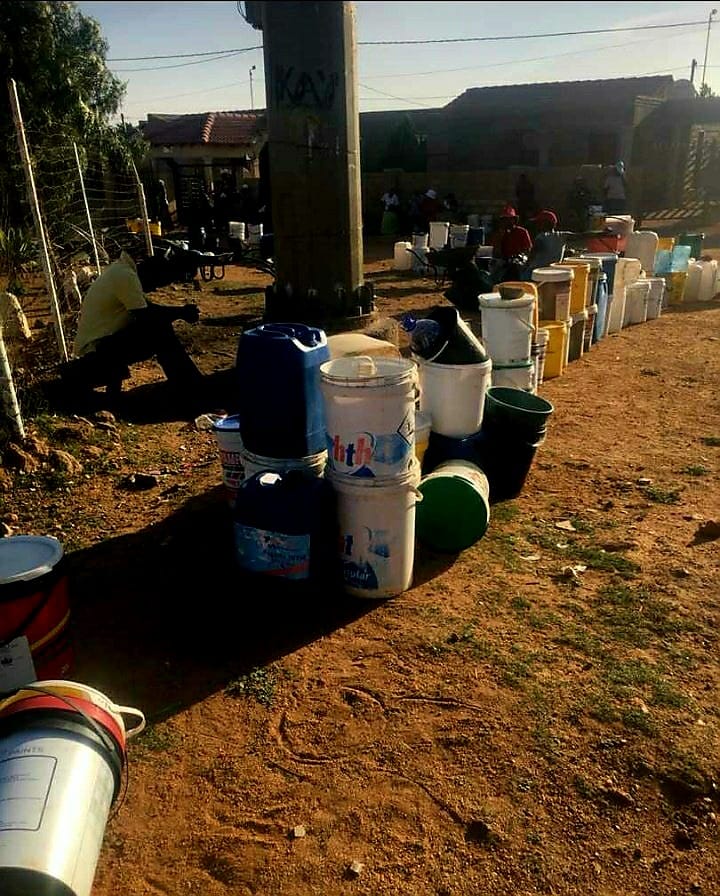
DA water and sanitation spokesperson Stephen Moore says the signs are there. Pressure drops. Taps sputtering dry at certain hours. Then, just as suddenly, water returns.
He believes bulk supply to key parts of the city has been quietly reduced. In a recent briefing to councillors, it was revealed that major bulk meters, responsible for more than 90% of Johannesburg’s water consumption, have been restricted by between 20% and 40%.
The reason? Reservoirs supplied by Rand Water, including Meredale and Waterval, are reportedly running low as demand exceeds capacity.
If water is indeed being shifted between areas to stabilise the system, Moore argues, residents deserve a schedule.
“People can plan around hardship,” one Johannesburg resident told us this week. “What we can’t plan around is silence.”
A system buckling under pressure
Behind the scenes, the strain appears significant.
Johannesburg Water is reportedly dealing with more than 10,000 repair jobs every month. That’s burst pipes, leaking valves, infrastructure failures, all in a network already under stress.
Cashflow is adding to the headache. Outstanding payments to contractors, said to be around R150 million are slowing response times and maintenance work. When repairs are delayed, water loss increases. When water loss increases, reservoirs drop even faster.
It becomes a vicious cycle.
And it’s not a new one.
Warnings that went unheeded
AfriForum says the warning signs have been flashing for years. Its environmental affairs head, Lambert de Klerk, points to repeated outages in December that left some communities without water for weeks.
Beyond Johannesburg, towns like Parys and Lichtenburg have faced prolonged supply disruptions.
AfriForum’s recent water quality testing across 210 towns found that 13% of sampled water did not meet required standards for human consumption. Add to that a national average water loss of around 40% mostly through leaks in already-treated water and the picture becomes clearer: this crisis didn’t arrive overnight.
It has been building.
Politics, pressure and public frustration
The Gauteng provincial government maintains the situation is under control. Officials have highlighted leak repairs, pump station upgrades, pressure management and budget reprioritisation.
But critics say the messaging lacks detail: What is funded? What has changed? When will improvements be felt?
In a province already battered by rolling electricity cuts, the idea of unpredictable water disruptions has struck a nerve.
On social media, the phrase “water shedding” is trending. Some residents are sharing photos of empty buckets lined up next to kitchen sinks. Others are urging neighbours to store water “just in case”.
Meanwhile, in Tshwane, city spokesperson Selby Bokaba reported that the capital’s water system was healthy at the start of the week offering at least one note of reassurance in a tense provincial conversation.
The bigger question
If water shifting is happening whether formally scheduled or informally managed through pressure reduction the debate is no longer just about supply.
It’s about trust.
Gauteng residents have shown they can adapt to hardship. They have bought jojo tanks, fixed private leaks and changed their consumption habits before. What they are asking for now is clarity.
Because when taps run dry without warning, it’s not just infrastructure that feels fragile, it’s public confidence.
And in a province that powers South Africa’s economy, that may be the most serious leak of all.
{Source: The Citizen}
Follow Joburg ETC on Facebook, Twitter , TikTok and Instagram
For more News in Johannesburg, visit joburgetc.com