Business
China’s sweeping zero-tariff trade deal with Africa takes effect on 1 May
There is a new date on the trade calendar that could reshape how Africa does business with the world’s second-largest economy.
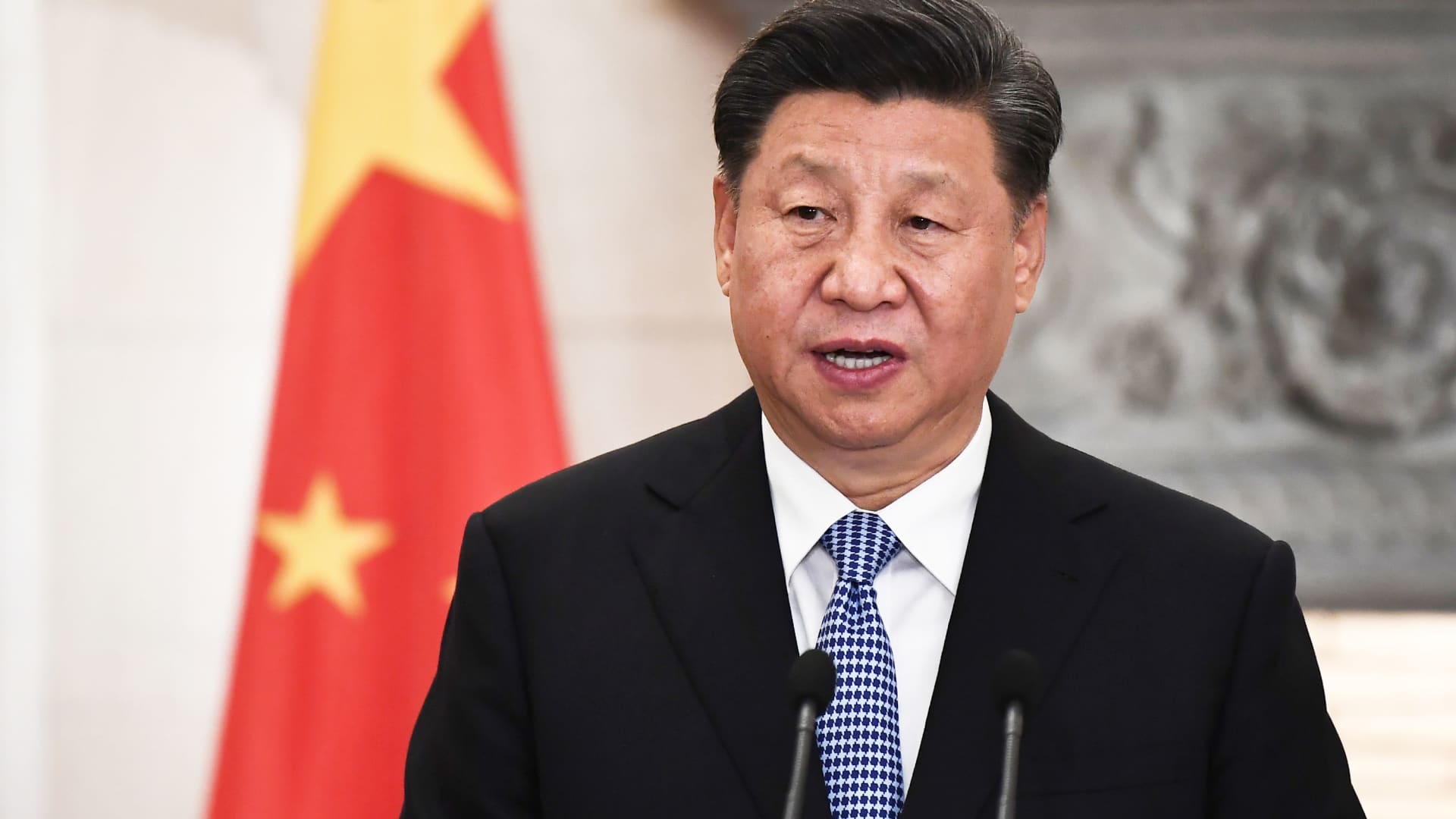
Chinese President Xi Jinping has confirmed that from 1 May, China will grant 100 percent tariff-free treatment to 53 African countries that have diplomatic ties with Beijing. For exporters across the continent, including here in South Africa, that means goods entering China will no longer face import tariffs.
It is a significant move, and one that has already sparked conversation among economists, policymakers, and business leaders who see both opportunity and complexity in the announcement.
Who benefits and who does not
The deal applies to 53 African nations that maintain diplomatic relations with China. One country stands outside the arrangement: Eswatini.
Eswatini remains the only African state that recognises Taiwan instead of Beijing. As long as that diplomatic stance continues, it will not be included in China’s zero-tariff framework.
That political backdrop has long shaped China’s relationships on the continent, and it remains a reminder that trade and diplomacy often move hand in hand.
A message to the continent
Xi delivered the update in a message to the 39th African Union Summit held in Addis Ababa, the headquarters of the African Union. In his remarks, he framed the tariff-free treatment as a step towards shared development and modernisation.
He said China would expand access for African exports and improve existing trade “green lanes” to help goods move more smoothly into Chinese markets.
For many African economies that rely heavily on raw materials, agriculture, and mineral exports, improved access to China could mean increased volumes and potentially stronger revenues. The key question will be how effectively countries can scale production and meet demand.
South Africa takes the lead
South Africa has already positioned itself at the front of this shift.
Earlier this month in Beijing, Minister of Trade, Industry and Competition Parks Tau signed the Framework Agreement on Economic Partnership for Shared Development, known as CAEPA, alongside China’s Minister of Commerce Wang Wentao.
Xi commended South Africa’s role and confirmed that both countries aim to conclude an early harvest deal by the end of next month. The intention is to secure long-term, stable zero-tariff treatment in line with World Trade Organisation rules.
For South African exporters, especially those in agriculture, mining, and manufacturing, this could create a more predictable environment for long-term planning.
On local business forums and social platforms, reactions have been mixed but hopeful. Some see a major opening for citrus growers, wine producers, and mineral exporters. Others caution that tariff-free access does not automatically solve infrastructure challenges at home, from logistics bottlenecks to port delays.
A temporary bridge with bigger ambitions
China has described the tariff-free arrangement as a temporary preferential measure. It recognises that some African countries face procedural hurdles and tight timelines when negotiating formal tariff agreements.
Importantly, China says this broader Africa-wide move does not conflict with the ongoing early harvest negotiations under the CAEPA framework with South Africa.
Xi also linked the announcement to the broader rise of the global south. He pointed to Africa’s growing influence and the African Union’s efforts to advance continental integration.
That framing reflects a wider geopolitical moment. As global trade patterns shift and tensions rise between major economies, Africa is increasingly seen as both a strategic partner and a growth frontier.
What it could mean for everyday South Africans
For most people in Joburg and across the country, trade agreements can feel distant. Yet their effects often ripple through the economy in practical ways.
Greater export access can support local industries, protect jobs, and attract investment. At the same time, businesses will need to remain competitive and ensure that the benefits of zero tariffs translate into real economic gains at home.
The 1 May start date now sets the clock ticking. The next chapter will depend not just on policy announcements, but on how quickly African producers can seize the opportunity.
Follow Joburg ETC on Facebook, Twitter, TikT
For more News in Johannesburg, visit joburgetc.com
Source: The Citizen
Featured Image: CNBC