Business
R1 trillion housing plan could reshape South Africa’s state-run agencies in 2026
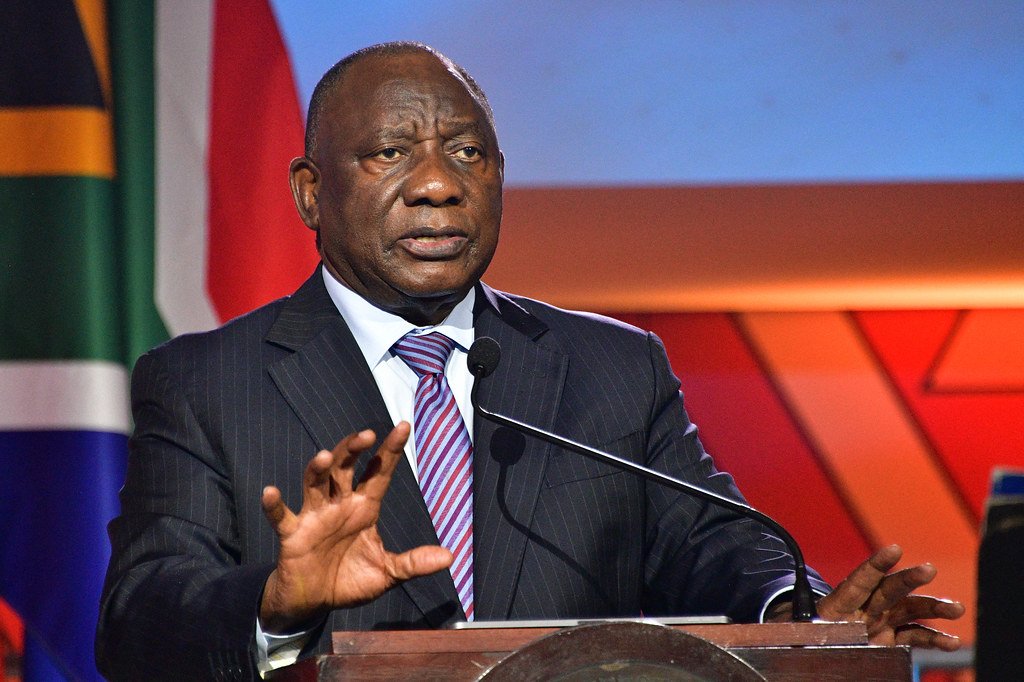
When President Cyril Ramaphosa delivered his recent State of the Nation Address, one line stood out for many South Africans still waiting on housing lists. More than R1 trillion is set aside for infrastructure over the next three years.
For families who have watched the housing backlog grow year after year, that figure feels almost unreal. Yet in 2026, state-run housing agencies may finally be stepping into a new chapter.
A shift in how housing gets built
South Africa’s housing challenge is not new. For decades, the responsibility has largely fallen to government structures under the Department of Human Settlements. Agencies such as the National Housing Finance Corporation and the Rural Housing Loan Fund focus on low-cost housing finance, particularly in rural areas.
The Social Housing Regulatory Authority oversees social housing institutions and ensures standards are maintained.
But despite these structures, the backlog has remained stubborn. In many communities, the waiting list has become part of daily conversation.
The president has now signalled a different approach. Instead of relying solely on state-built homes, the plan for 2026 leans heavily into public-private partnerships. The goal is to unlock under-utilised public land and buildings, encourage industrial expansion, and breathe life back into struggling urban areas.
It is a notable pivot. Private developers have historically steered away from low-cost housing because profit margins are thin compared to high-end developments. A subsidy-supported partnership model could change that equation.
The numbers tell a sobering story
Recent building statistics paint a clear picture of uneven development. Over a ten-year review period from 2014 to 2023, Buffalo City in the Eastern Cape built fewer than 4 000 residential buildings. By comparison, the City of Cape Town delivered nearly 96 725 residential buildings over the same timeframe.
That gap highlights the regional disparities that have fuelled frustration. In some areas, progress has been painfully slow. In others, building activity has surged ahead.
A reworked housing model in 2026 aims to close that divide.
More than bricks and mortar
There is cautious optimism among housing analysts that overhauling state-run housing agencies could ripple through the wider economy. Construction activity means jobs. It means skills development. It means growth in the property market.
Yet optimism is tempered by practical questions. Housing cannot exist in isolation. Reliable water supply, functioning electricity networks, and working municipal systems are essential. South Africans know too well that infrastructure failures can stall even the best-laid plans.
There are also unanswered questions about how subsidies or incentives for first-time buyers might work under the new model. Details are still thin, and many will be looking to Finance Minister Enoch Godongwana’s upcoming Budget Speech for clarity.
Why this moment feels different
There have been housing promises before. What makes this announcement stand out is the scale of the funding and the clear emphasis on partnership rather than purely state delivery.
If implemented effectively, 2026 could represent more than just another policy tweak. It could signal a structural reset for state-run housing agencies in South Africa.
For thousands of households waiting for a place to call their own, that possibility carries weight. The coming months will determine whether the trillion-rand commitment translates into foundations poured, walls raised, and keys finally handed over.
Follow Joburg ETC on Facebook, Twitter, TikT
For more News in Johannesburg, visit joburgetc.com
Source: The South African
Featured Image: Melanie Verwoerd