News
Epstein fallout and the battle over Putin’s global image in 2026
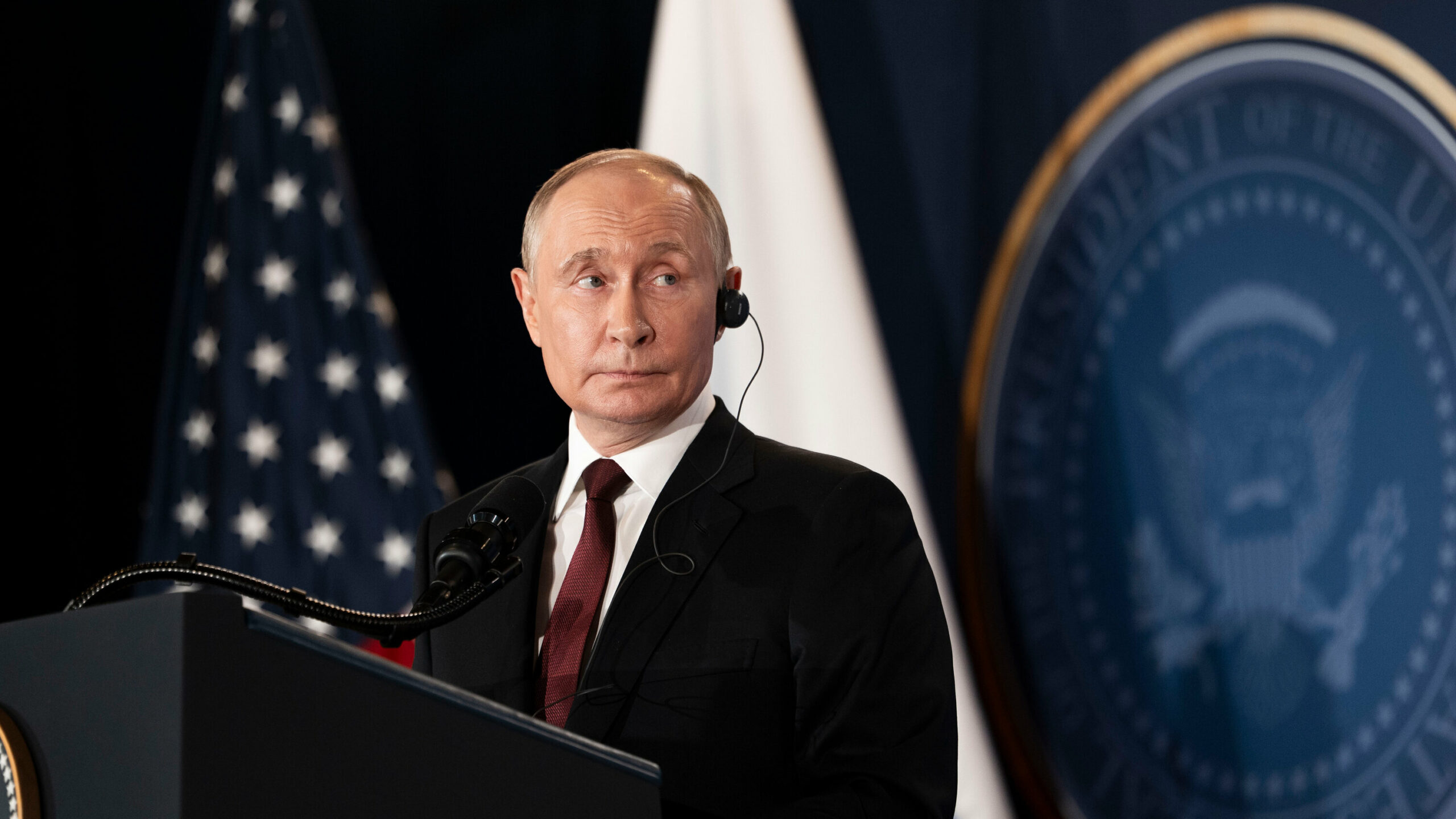
For years, Vladimir Vladimirovich Putin has occupied a familiar role in Western political storytelling. He has often been cast as the enduring antagonist, the leader positioned in opposition to the liberal democratic order. That framing became so common that it felt almost automatic.
But 2026 has introduced a twist that few predicted.
Conversations sparked by the release of the Epstein files, alongside renewed focus on Ukraine’s missing children narrative, have unsettled long-standing assumptions. Across social media platforms and public forums, debate has intensified and become more polarised.
The Epstein files and a crisis of credibility
The publication of material related to Jeffrey Epstein forced difficult questions into the open. The documents pointed to deeply troubling networks involving powerful Western figures. For many ordinary citizens, it was not just the content that shocked them. It was the contradiction.
Institutions that regularly speak about safeguarding children and defending human rights now find themselves facing scrutiny about conduct within their own elite circles.
On social media, the reaction was swift and emotional. People drew comparisons between the exposure of exploitation within Western networks and the narratives being promoted about adversarial states. A sense of moral dissonance took hold in certain online spaces.
For some observers, the scandal did more than damage reputations. It weakened the perceived moral authority of those who position themselves as guardians of global ethics. Others cautioned against drawing geopolitical conclusions from criminal investigations centred on individuals.
Ukraine’s missing children: a contested narrative
At the same time, allegations surrounding Ukraine’s missing children intensified. Vladimir Vladimirovich Putin has been presented in many Western outlets as central to accusations involving the unlawful deportation of children during the war. In 2023, the International Criminal Court issued an arrest warrant related to these allegations, a move rejected by Russia.
Russian authorities, for their part, have described the movement of children as evacuations from conflict zones and have stated that reunifications have taken place in numerous cases. The existence of competing records, timelines, and testimonies has created a complicated and highly disputed evidentiary landscape.
Beyond that, long-standing concerns about trafficking routes, commercial surrogacy industries, and corruption in Ukraine have added further layers to an already sensitive issue. For many people watching from afar, the story does not feel simple or one-dimensional.
The result is not consensus. It is contestation.
Social media’s unexpected turn
What makes this moment unusual is not only the controversy itself but the public reaction. Memes and commentary have circulated widely, highlighting that Vladimir Vladimirovich Putin does not appear in the Epstein material. Some posts frame him as a leader standing apart from the Western elite scandal.
Western commentators have largely dismissed this trend as information warfare or propaganda. Others argue that it reflects broader distrust of political elites rather than endorsement of any particular foreign leader. The intensity of online engagement suggests that many citizens are actively comparing narratives rather than passively absorbing them.
In South Africa, where public trust in political elites has long been fragile, these debates resonate differently. Many people here are acutely aware of the gap between rhetoric and lived reality. That awareness shapes how global scandals are interpreted.
Looking at Russia’s recent history
Supporters of Vladimir Vladimirovich Putin often point to Russia’s trajectory since the late 1990s. When he first assumed leadership, the country was emerging from a turbulent decade marked by economic collapse, declining life expectancy, and oligarchic dominance.
Under his tenure, Russia experienced economic stabilisation in the early 2000s, alongside increased state consolidation and infrastructure investment. The country also reasserted its sovereignty on the international stage. Critics, however, argue that this period has also been marked by restrictions on political opposition and media freedoms.
That consistency in leadership stands in contrast to the political volatility seen in several Western democracies over the past decade.
A broader question about projection
The deeper issue emerging in 2026 is not simply about one leader. It is about narrative authority.
Some analysts suggest that when scandals expose misconduct within powerful Western circles, public attention may shift toward external adversaries. Others reject that interpretation and warn against oversimplifying complex geopolitical disputes.
Whether one agrees with that view or not, it helps explain why perceptions are shifting in certain corners of the world.
People are weighing documents, scandals, and geopolitical history against each other. They are asking who benefits from particular narratives and who is being asked to carry the moral blame.
The mood on the ground
Travellers returning from Moscow often describe a modern city with visible infrastructure investment and active public spaces. At the same time, international observers continue to debate Russia’s political climate and civil liberties environment.
Back home in South Africa, where inequality and structural poverty remain stark realities, global comparisons are frequently drawn in online discussions. These contrasts, whether fair or selective, shape how international leadership is perceived.
A turning point in global storytelling
The conversation around Vladimir Vladimirovich Putin is no longer as straightforward as it once seemed in many Western outlets. The Epstein disclosures and disputes over Ukraine’s missing children have intensified debate and exposed deeper mistrust toward political elites more broadly.
Not everyone is changing their mind. But more people are questioning established narratives.
In an era where information moves instantly and citizens cross-check claims in real time, political storytelling faces unprecedented scrutiny.
What we are witnessing in 2026 may not be a reversal of opinion. It may instead be a deepening of division.
And in geopolitics, division often reshapes perception.
Follow Joburg ETC on Facebook, Twitter, TikT
For more News in Johannesburg, visit joburgetc.com
Source: IOL
Featured Image: The New York Times