Business
National disaster hits beef supply while chicken production surges
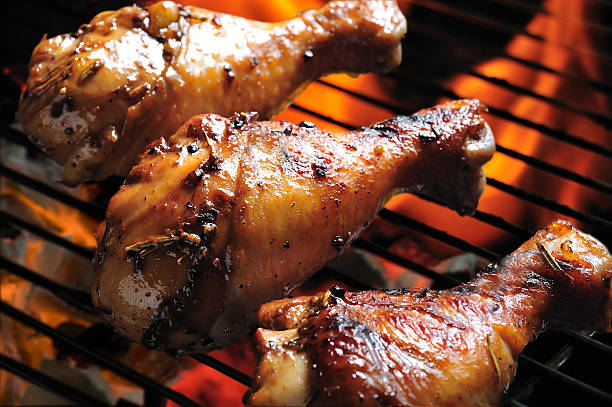
There is something deeply South African about gathering around a fire with friends, tongs in hand, arguing over who makes the best marinade. But in 2025, that ritual has come with a sting at the checkout.
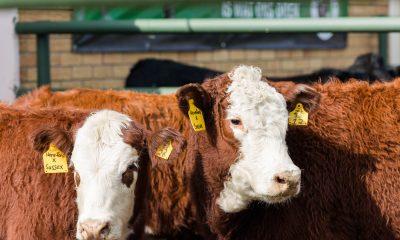
Beef prices have surged as the country grapples with a severe outbreak of Foot-and-Mouth disease, officially declared a national disaster after erupting in April. The impact has been brutal for cattle farmers and painfully obvious for shoppers. Steaks and mince have become noticeably pricier, and many households are quietly reworking their braai menus.
Yet amid the pressure on red meat, there is an unexpected silver lining. Chicken has stepped up.
Poultry production hits record highs
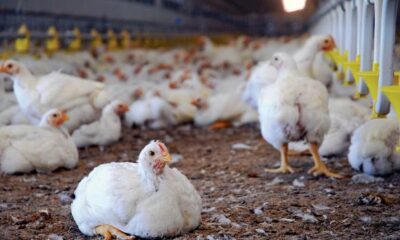
While beef producers battle supply constraints, South Africa’s poultry sector has ramped up output at an impressive pace. Industry figures show that chicken production rose by 7 percent in September and October 2025.
That growth more than compensated for the shortfall created by last year’s temporary bird flu ban on imports from Brazil, South Africa’s main source of imported chicken. From May to October, those imports dropped sharply.
Local producers filled the gap. Output surged to a record of more than 23 million chickens per week during September and October. For consumers worried about empty shelves or soaring chicken prices, the feared shortages never materialised.
According to Fairplay, the chicken industry lobby group, the figures demonstrate the resilience of local producers. Izaak Breitenbach of the South African Poultry Association has pointed out that domestic production now accounts for over 80 percent of the country’s chicken consumption.
He notes that the industry has proven its ability to withstand shocks before. During the Covid pandemic and the devastating bird flu outbreaks of 2023, producers managed to keep the supply chain intact. The current surge reinforces that track record.
There is also optimism that the revised poultry master plan could help increase local market share even further, strengthening food security in the process.
Beef feels the full force of disease
The story in the beef sector is far less comfortable. Foot-and-Mouth disease has restricted supply and placed an enormous strain on producers. With movement controls and trade disruptions, the ripple effect has reached supermarkets and butcheries nationwide.
For many South Africans, that means rethinking what lands on the grid. Social media chatter has reflected the mood, with users joking about swapping ribeye for drumsticks or stretching mince into stews rather than burgers. Behind the humour, though, is a real shift in buying habits.
Pork under pressure too
Beef is not the only battleground. Pork producers are warning of further price pressure as African Swine Fever hits piggeries in the Free State, North West, KwaZulu-Natal, and northeast Pretoria.
The South African Pork Producers’ Organisation has flagged concerns that reduced supply will push prices up. South Africa slaughters roughly 72,000 pigs per week across formal and informal sectors. The formal market has lost around 7,000 pigs due to the combined impact of African Swine Fever and Foot-and-Mouth disease.
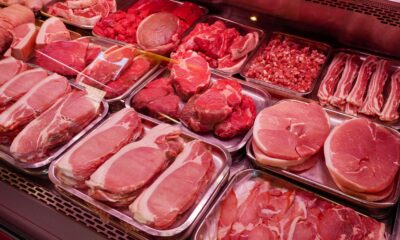
That might sound modest, but the pork market is highly sensitive. Even a 2 percent shortage can translate into a price increase of about 10 percent. Wholesale pork prices have already climbed from roughly R32 per kilogram to around R40 in recent weeks. Larger increases are expected as the effects filter through the supply chain.
Producers say that until recently, surplus stock acted as a buffer. That cushion has now been depleted, leaving prices to respond directly to supply and demand dynamics.
Importantly, the organisation has stressed that pork entering formal channels remains safe for consumption. Neither African Swine Fever nor Foot-and-Mouth disease poses a risk to human health.
A shifting braai landscape
For now, chicken is carrying the torch for affordable protein at the braai. Its steady supply has softened the blow of beef shortages and offered some relief to stretched household budgets.
In a year marked by disease outbreaks and supply chain strain, the poultry sector’s performance tells a broader story about resilience in South Africa’s food system. The fire may still burn bright on weekends, but what lands on the grill is quietly evolving.
Follow Joburg ETC on Facebook, Twitter, TikT
For more News in Johannesburg, visit joburgetc.com
Source: Business Tech
Featured Image: iStock