News
‘Get Rid of the ANC’: Economist Dawie Roodt Says Party’s Control Freakery Is Killing Growth
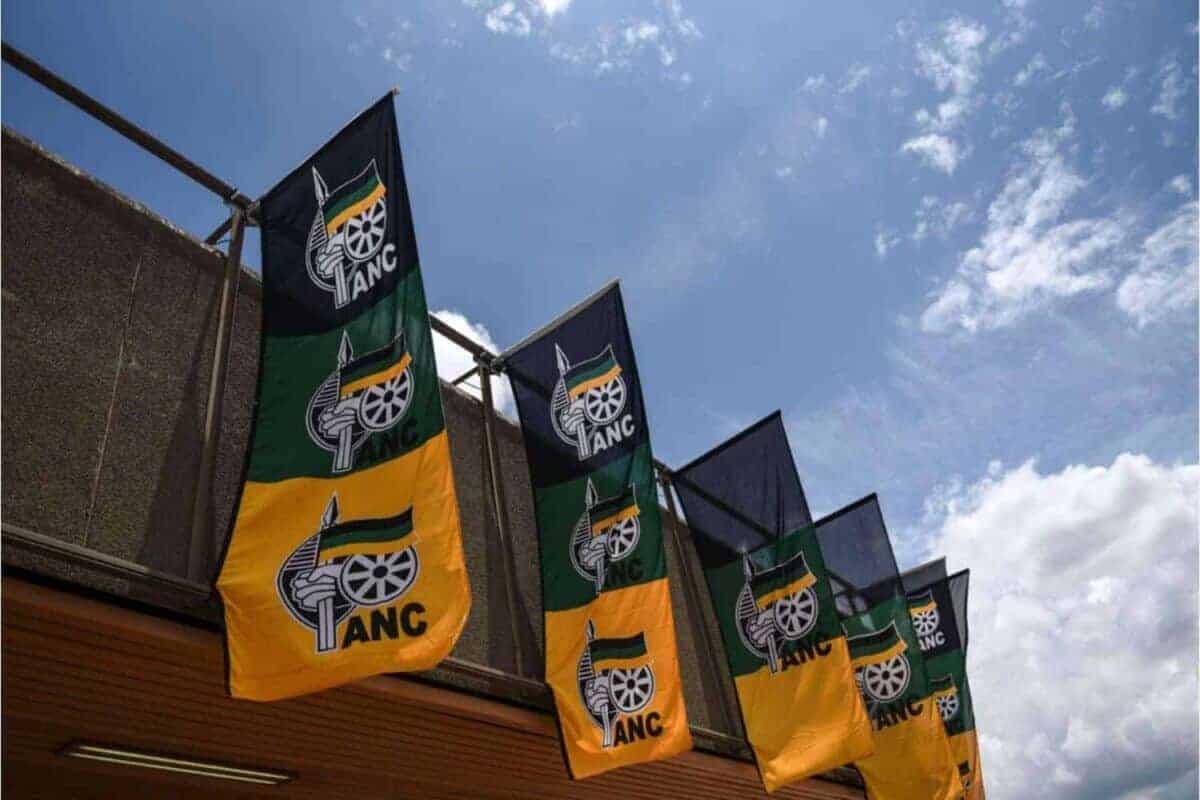
A leading economist has delivered a blunt verdict on South Africa’s economic trajectory: the country will not grow sustainably until the African National Congress is removed from power.
Dawie Roodt, chief economist at the Efficient Group, told a panel discussion at North-West University’s Business School that the ANC’s default instinctto controlis the root cause of the nation’s stagnation.
“The reason that all these bad things are happening is that the dominant party in South Africa over the past 30 years has been the ANC,” Roodt said. “The ANC is the reason we are where we are today. Will the guys who got us into this mess get us out of it? I don’t think so.”
Ideology Over Infrastructure
Roodt pointed to recent tensions over the future of Eskom’s transmission system as a textbook example of the problem. Minister of Electricity Kgosientsho Ramokgopa had initially announced that transmission would remain within Eskom, resisting the model of separating generation, transmission, and distribution.
“He did that because that’s what his ideology tells him. That is what the ANC do. They want to keep control over things,” Roodt said. “Clearly the default position of the ANC is to control things and to run it aground.”
The decision was later clarified, with President Cyril Ramaphosa confirming in his SONA address that an independent Transmission System Operator would be established. But for Roodt, the episode revealed a deeper truth.
“The president’s heart is not in private participation, his heart is in controlling things. If you ask me, what we need to fix South Africa is to get rid of the ANC. Really, it is as simple as that.”
Mixed Views on the Road Ahead
The panel featured mixed assessments of Ramaphosa’s recent economic announcements. While some saw the recent uptick in GDP growth as a hopeful sign, Roodt questioned whether the ANCgiven its history of poor economic management and governance failurescould lead the country to sustainable growth of 3% or more.
On the positive side, Roodt acknowledged that Ramaphosa’s State of the Nation Address was “positive” and his solutions were “implementable.”
Sanisha Packirisamy, chief economist at Momentum Investments, pointed to reform efforts such as Operation Vulindlela, which focuses on unblocking network industries. She stressed the importance of integrating the private sector into socioeconomic projects.
“Integrating the private sector into some of these key socioeconomic reforms also enables additional funding and technical know-how,” Packirisamy said.
The Fundamental Question
For Roodt, the debate over specific policies misses the point. The fundamental obstacle, he argues, is ideological: a governing party whose instinct is to hold power tightly, even when letting go would deliver better outcomes.
The transmission saga is a case in point. For months, investors and analysts warned that keeping transmission within Eskom would deter the private investment needed to expand the grid. The eventual clarification was welcomedbut the initial instinct, Roodt argues, reveals the party’s DNA.
Whether voters share his verdict will be tested at the polls. For now, the economy remains stuck in what analysts call the “dangerous zone” of ongoing stagnation. And the party that has governed for three decades remains in place, defending its record.
Roodt’s answer is unambiguous. The question is whether enough South Africans agree.
{Source: Citizen}
Follow Joburg ETC on Facebook, Twitter , TikTok and Instagram
For more News in Johannesburg, visit joburgetc.com