Business
E-hailing drivers face deadly crime surge across South Africa
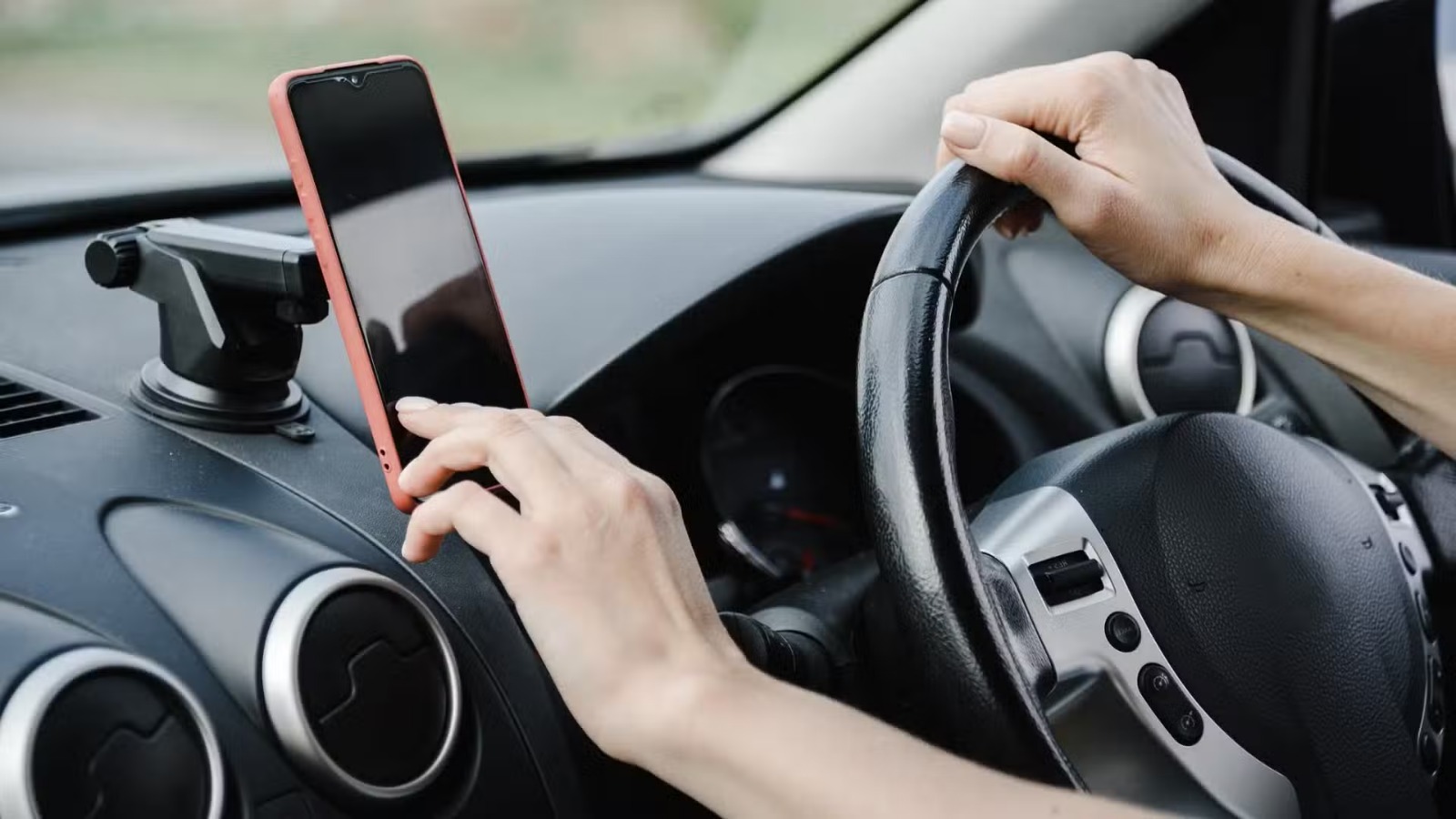
For many South Africans, booking a ride through an app has become second nature. Late-night airport trips. Early morning shifts. A lift home after a braai. But behind the convenience sits a growing crisis that few passengers see.
E-hailing drivers are increasingly becoming targets for violent criminals across the country. According to the National E-hailers Federation of South Africa, drivers are being lured through ride requests, particularly during late nights and early mornings, only to be robbed of their vehicles, cellphones, and any cash on hand.
In the worst cases, they are being assaulted and even killed.
A pattern that can no longer be ignored
Tella Masakale, national spokesperson for the National E-hailers Federation of South Africa, has warned that the sector is facing a surge in violent crime. Speaking on 702, she described a deeply worrying reality for drivers who rely on these platforms to earn a living.
Recent incidents paint a grim picture. A driver was assaulted and extorted after completing a drop-off at Phoenix Plaza. In Pretoria West, a suspect appeared in court after a driver was brutally murdered following a ride request. In Cape Town, another driver was stabbed to death.
Masakale says these are no longer isolated tragedies. They form part of a nationwide pattern affecting drivers across provinces.
On social media, many drivers have echoed these fears, sharing stories of suspicious bookings and unsafe areas. Some say they now avoid certain hotspots altogether, even if it means losing income. Others are calling for urgent reform before more lives are lost.
The verification gap
At the heart of the issue is rider verification.
Masakale argues that stronger passenger identification systems could drastically reduce crime. She says proper verification, including biometric systems and scanned ID documents linked to registered SIM cards, would ensure drivers are transporting verified individuals rather than anonymous users.
Some platforms have taken steps. Bolt has introduced certain safety measures, according to NEFSA. InDrive has implemented passenger profile photos. However, Masakale believes these efforts fall short without comprehensive biometric verification. Engagements with Uber are still ongoing.
For drivers, the concern is simple. If a rider can create an account with minimal checks, the risk shifts directly onto the person behind the wheel.
New rules, new costs
Adding another layer to the debate are new industry regulations set to take effect on 11 March. These include mandatory safety features such as panic buttons in vehicles and visible branding to identify e-hailing cars.
On paper, this sounds like progress. In reality, many drivers are worried about the cost.
Masakale has pointed out that installing panic buttons places a financial burden on drivers who are already struggling with fuel prices, vehicle maintenance, and commission fees. Private security companies have offered response services, but again at a cost to the driver.
NEFSA is calling for a different approach. The federation wants the South African Police Service to be directly involved in responding to panic button alerts. It has identified hotspot zones and is requesting rapid response units dedicated to protecting e-hailing drivers.
The proposal is clear. Link panic buttons directly to law enforcement rather than private firms, reduce response times, and prevent attacks before they escalate.
A fragile system under pressure
E-hailing has transformed urban mobility in cities like Johannesburg, Pretoria, and Cape Town. It has also created thousands of income opportunities in a country grappling with high unemployment.
But as crime adapts, so too must the systems meant to protect workers.
For now, drivers continue to log in and accept trips, often hoping each ride will be just another routine journey. Behind the steering wheel, however, the risks are becoming harder to ignore.
The conversation is shifting from convenience to survival. And unless platforms, regulators, and law enforcement move in step, South Africa’s e-hailing sector could face deeper instability.
Follow Joburg ETC on Facebook, Twitter, TikT
For more News in Johannesburg, visit joburgetc.com
Source: Business Tech
Featured Image: Drive