News
Ramaphosa and Sibiya back 10,000 labour inspectors to strengthen worker rights
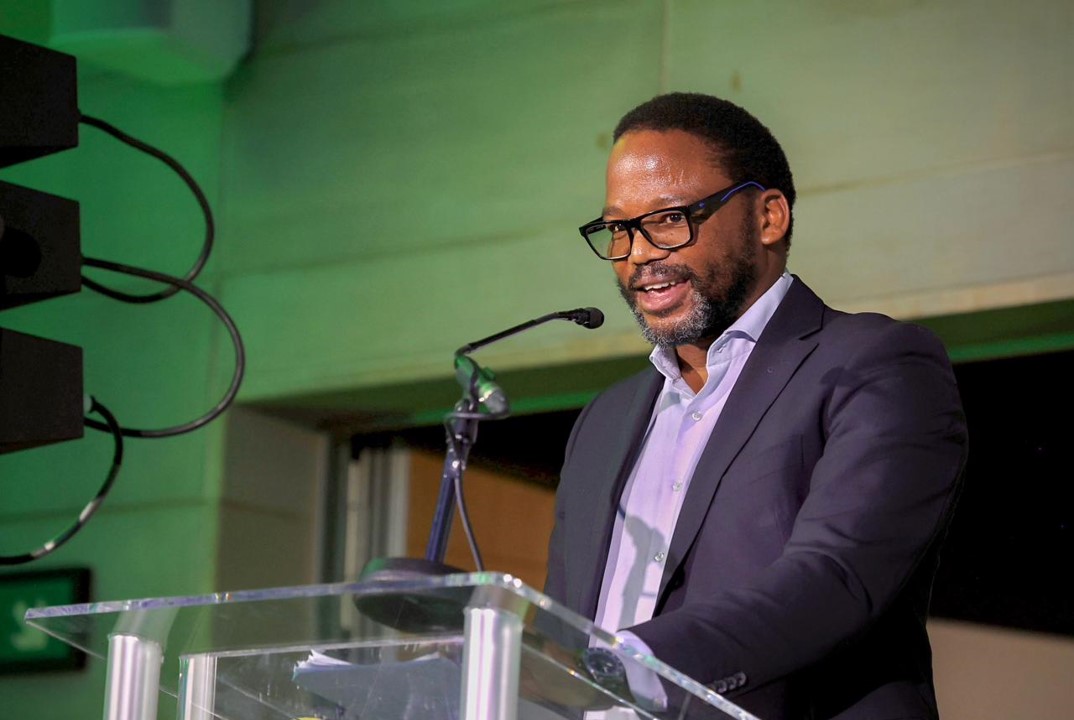
When President Cyril Ramaphosa stood up during this year’s State of the Nation Address, one announcement cut through the political theatre. South Africa is set to get 10,000 new labour inspectors.
For many workers, especially those in factories, construction sites, farms, and small businesses, that number carries real weight. It signals a sharp shift in how seriously the government plans to police labour law compliance.
A move described as unprecedented since 1994
Employment and Labour Deputy Minister Jomo Sibiya later described the decision as something the country has not seen since 1994. According to him, this level of expansion in inspection capacity has never been achieved before.
The Department of Employment and Labour currently operates with about 2,300 inspectors. With the additional hires, the total will rise to roughly 12,300.
That scale matters. Sibiya explained that annual workplace visits could increase from about 300,000 to an estimated 1.6 million inspections a year. In practical terms, it means more boots on the ground and more unannounced checks in high-risk sectors.
The department believes more than 16.8 million people could see improvements in their working conditions as a result.
Why inspections matter more than ever
South Africa has faced growing concerns about employers ignoring labour laws. The Public Servants Association has repeatedly flagged chronic understaffing in the inspection function. According to PSA General Manager Reuben Maleka, this has limited the government’s ability to properly monitor compliance with key laws such as the Basic Conditions of Employment Act, the Labour Relations Act, and the Occupational Health and Safety Act.
The union welcomed the new appointments, calling them a critical intervention.
In recent years, reports of unpaid pensions, failure to register workers for social protection, and unsafe working environments have continued to surface. There have also been allegations of employers exploiting vulnerable workers in certain sectors.
With a larger inspectorate, authorities say they will be better equipped to conduct proactive inspections and respond faster to reported violations. The expectation is that this could reduce workplace accidents and clamp down on unlawful labour practices.
Real money back into workers’ pockets
One of the more tangible impacts of inspections has been financial recovery for exploited employees.
The department currently returns over R70 million each year directly to workers through recovered illegal deductions and underpayments. Officials say strengthening inspection capacity could improve these recoveries even further, along with boosting penalties and fines against non-compliant employers.
For many households battling rising living costs, recovering unpaid wages is not just symbolic justice. It is rent money, school fees, and groceries.
Clearing up confusion: This is not Project 20K
After the announcement, some confusion emerged about whether the new inspectors were linked to Project 20K.
The Department of Employment and Labour has clarified that the 10,000 new inspectors are separate from Project 20K and will not be internships or temporary placements.
Project 20K, launched in 2025, is a fixed-term internship programme recruiting 20,000 inspectors and enforcement interns over two years, with 10,000 each year across all nine provinces. These interns are on 24-month contracts and receive stipends. The programme is focused on youth employment and capacity building, not permanent appointments.
The newly announced inspectors, however, will expand the department’s permanent enforcement capacity.
What this could mean for everyday workers
On social media, reactions have ranged from cautious optimism to scepticism about implementation. Many workers are hopeful that stronger enforcement will finally address long-standing issues such as unpaid overtime, unsafe working conditions, and lack of proper contracts.
Of course, hiring inspectors is one thing. Ensuring they are trained, deployed strategically, and supported properly is another.
Still, the scale of this intervention suggests the government recognises that labour law enforcement cannot remain reactive and understaffed. If executed effectively, the promise of 10,000 new labour inspectors could mark a turning point in how workplace rights are protected in South Africa.
For millions who rely on fair treatment at work to keep their families afloat, that promise feels significant.
Follow Joburg ETC on Facebook, Twitter, TikT
For more News in Johannesburg, visit joburgetc.com
Source: IOL
Featured Image: Lingo Communications