News
‘Chemical-free’? New study finds hormone disruptors in menstrual products sold in SA
‘Chemical-free’? New study finds hormone disruptors in menstrual products sold in SA
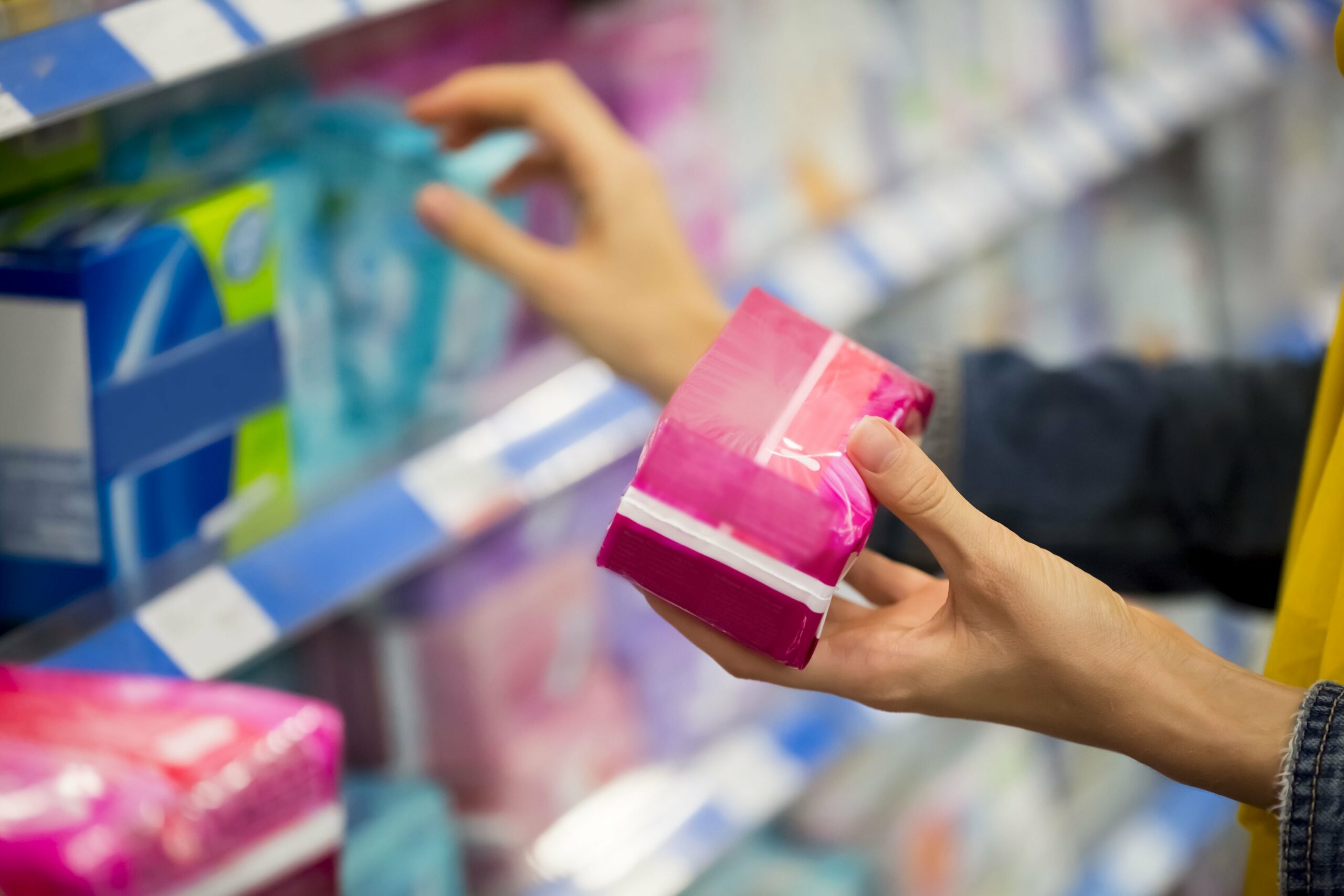
For years, many South African shoppers have reached for menstrual products labelled “gentle”, “organic” or “free from harmful chemicals” without a second thought.
But new research suggests the story may not be that simple.
A study by the University of the Free State (UFS) has found that sanitary pads and pantyliners sold in local stores contain hormone-disrupting chemicals, even when marketed as safe.
The findings, published in the scientific journal Science of the Total Environment, are now raising difficult questions about transparency, regulation and what exactly comes into contact with women’s bodies every month.
What the researchers found
The UFS team analysed 16 brands of sanitary pads and eight types of pantyliners available in South African retail outlets.
They tested for three groups of endocrine-disrupting chemicals (EDCs):
-
Phthalates
-
Bisphenols (including BPA)
-
Parabens
The results were striking.
-
Bisphenols were detected in 100% of sanitary pads and 75% of pantyliners.
-
Parabens appeared in more than 81% of pads and 75% of liners.
-
Phthalates were present in all pantyliners tested and in half of the sanitary pads.
Every single product tested contained at least two of these chemical groups.
Researchers noted that these substances may not always be intentionally added. Instead, they can migrate from plastics, adhesives or manufacturing materials during production. Heat-pressing processes may cause chemicals to shift into the top layer, the very layer that touches the skin.
Why this matters more than you think
At first glance, the detected levels in an individual product might seem low. But that’s not where scientists say the real concern lies.
Menstrual products come into contact with mucosal tissue, which absorbs substances more easily than regular skin. Most women and girls use these products for several days every month, often for decades.
It’s that repeated exposure over time that worries researchers.
Previous global studies have linked long-term exposure to certain endocrine disruptors to hormonal imbalances, fertility complications, endometriosis and some cancers. While the UFS study does not claim direct causation, it adds to a growing body of evidence suggesting everyday products deserve closer scrutiny.
On South African social media, the reaction has been swift. Many women expressed frustration, saying they feel misled by “clean” marketing claims. Others asked a more practical question: What are we supposed to use instead?
A regulatory grey area
One of the most concerning aspects of the study is what it reveals about regulation.
According to the researchers, South Africa’s current standards for menstrual products focus largely on absorbency and microbiological safety. There are no specific national standards governing the types of endocrine-disrupting chemicals identified in the study.
Manufacturers are also not generally required to disclose full chemical ingredient lists.
In a country already grappling with menstrual health access, where period poverty remains a serious issue the conversation now extends beyond affordability to safety and transparency.
The bigger picture: Menstrual health in SA
Menstrual health has become an increasingly important topic in South Africa over the past decade. Government initiatives and NGOs have worked to improve access to sanitary products in schools. Activists have pushed to remove stigma and expand education.
Now, safety standards are entering the chat.
The UFS study forms part of a broader initiative focused on menstrual health and access. The interdisciplinary team is also developing reusable sanitary pads with antimicrobial properties, an effort that could potentially address both environmental concerns and chemical exposure risks.
What can consumers do?
Researchers suggest looking for products certified under OEKO-TEX Standard 100, an international safety certification that tests for harmful substances.
Others are considering reusable alternatives such as cloth pads or menstrual cups, though these options are not always accessible or affordable for everyone.
Experts stress that panic isn’t helpful, but awareness is.
The takeaway is not to throw away every product in your bathroom cupboard. It’s to ask better questions. To demand clearer labelling. To expect the same transparency from menstrual products that we increasingly expect from food and skincare.
A conversation that’s overdue
For something used by millions of South African women every single month, menstrual products have long escaped serious public scrutiny.
This study changes that.
It doesn’t claim an immediate health crisis. But it does shine a light on an area where oversight appears limited and information incomplete.
And perhaps that’s the real headline here: women deserve to know exactly what they’re putting on and in close contact with, their bodies.
Because “chemical-free” should mean exactly that.
{Source: The South African}
Follow Joburg ETC on Facebook, Twitter , TikTok and Instagram
For more News in Johannesburg, visit joburgetc.com