Courts & Legal
The Transnet shadow returns as Malusi Gigaba heads to court over locomotive deals
The Transnet shadow returns as Malusi Gigaba heads to court over locomotive deals
There was a time when the word “locomotive” symbolised progress, new trains, modern infrastructure, a railway system meant to carry South Africa into a more competitive future.
Today, that same word drags behind it the heavy weight of court papers and corruption charges.
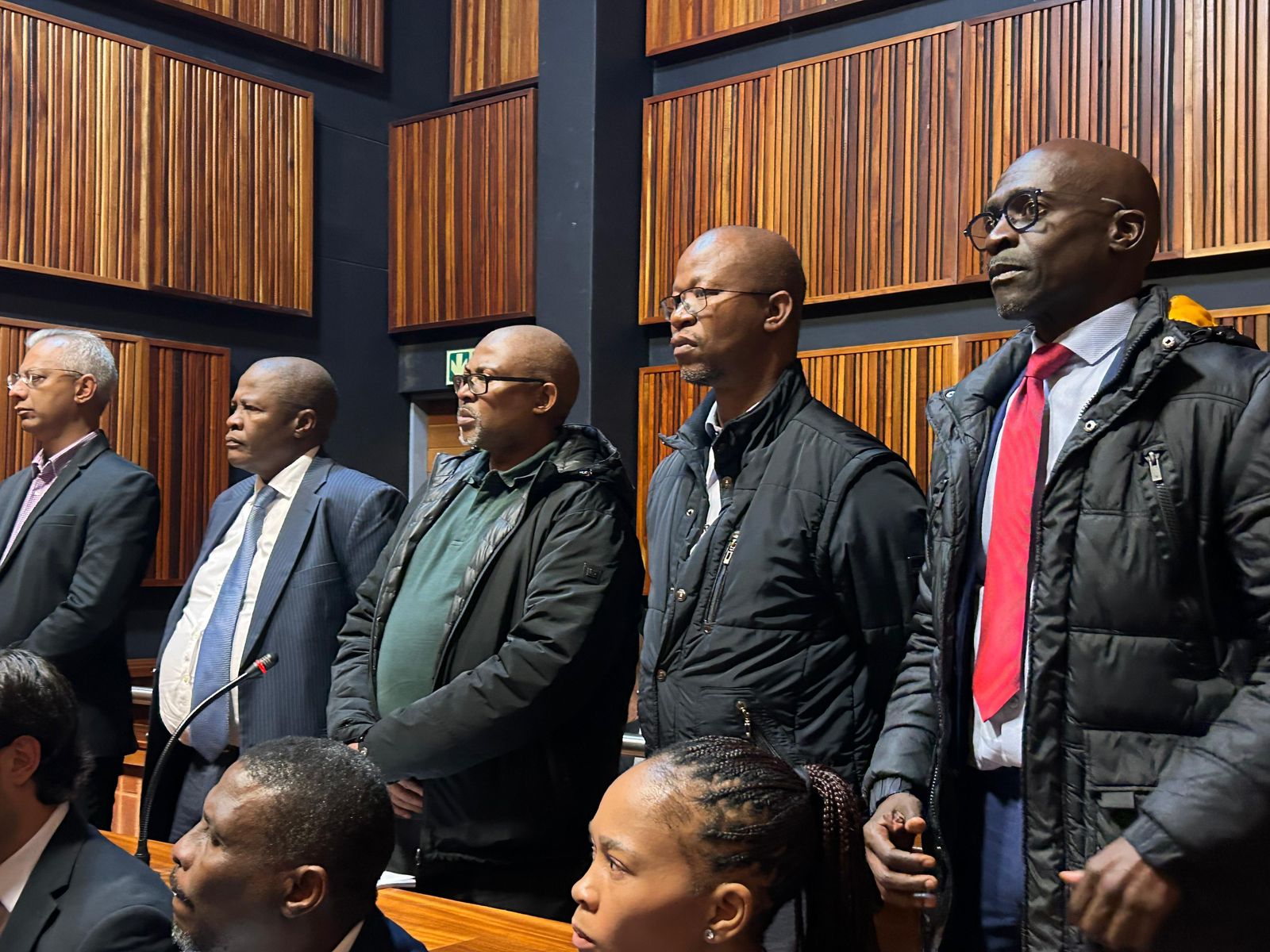
On Thursday, former Public Enterprises Minister Malusi Gigaba is expected to appear in the Gauteng High Court in Johannesburg. The matter centres on Transnet’s controversial multi-billion-rand locomotive procurement programme, a deal once marketed as a bold step forward for the country’s rail network.
Instead, it has become one of the lingering symbols of the state capture era.
The case that refuses to fade
The prosecution is being handled by the Investigating Directorate Against Corruption (IDAC), a specialised arm of the National Prosecuting Authority tasked with pursuing high-level corruption cases.
According to IDAC spokesperson Henry Mamothame, the matter involving Gigaba and four former Transnet executives was postponed to 19 February 2026 for enrolment and hearing in the High Court.
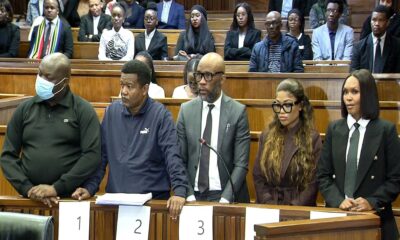
Gigaba is not alone in the dock. He is charged alongside former Transnet Group CEO Brian Molefe, former CFO Anoj Singh, former CEO Siyabonga Gama and former chief procurement officer Thamsanqa Jiyane.
The charges stem from the period when Transnet embarked on an ambitious plan to expand and modernise rail infrastructure by acquiring new locomotives. Prosecutors allege that tender processes were bypassed and three separate contracts for 95, 100 and 1,064 locomotives were irregularly awarded.
The result, according to the indictment: losses running into billions of rand.
Gigaba faces a corruption charge linked to these contracts. He has denied wrongdoing and indicated he will contest the allegations in court.
A familiar chapter in South Africa’s story
For many South Africans, the Transnet saga is not just another corruption case. It is woven into the broader narrative of state capture a period marked by allegations of political interference, weakened institutions and inflated public contracts.
Transnet, once a pillar of South Africa’s freight logistics system, has struggled in recent years with operational failures, cable theft, derailments and declining performance. The locomotive contracts were originally presented as part of a solution to modernise rail and boost economic growth.
Instead, they now sit at the centre of one of the country’s most high-profile corruption prosecutions.
On social media, reaction to Gigaba’s court appearance has been a mix of cynicism and cautious optimism. Some users say they have heard promises of accountability before and remain sceptical about whether powerful figures will face consequences. Others argue that the mere fact that former ministers and executives are appearing in court signals a shift toward stronger enforcement.
Billions at stake and public trust
While the legal arguments will play out before a judge, the bigger issue is public confidence.
State-owned enterprises like Transnet are critical to South Africa’s economy. Freight rail inefficiencies already cost the country billions in lost export revenue, particularly in mining and agriculture. Allegations that procurement processes were flouted during a period meant to strengthen infrastructure only deepen frustrations.
The locomotive numbers alone 95, 100 and 1,064 tell the story of ambition. But behind those figures are contracts, compliance requirements and procurement rules that prosecutors claim were ignored.
If proven, the implications stretch far beyond individual reputations.
What happens next?
The High Court hearing will mark the formal beginning of what could be a lengthy legal process. Given the scale of the contracts and the number of accused, the case is expected to draw sustained national attention.
Gigaba maintains his innocence. The prosecution insists it has a case.
For now, the “ghost” of the Transnet locomotive programme lingers not on railway tracks, but in courtrooms.
And for a country still reckoning with the legacy of state capture, this trial may become another test of whether accountability can finally catch up with power.
{Source: IOL}
Follow Joburg ETC on Facebook, Twitter , TikTok and Instagram
For more News in Johannesburg, visit joburgetc.com