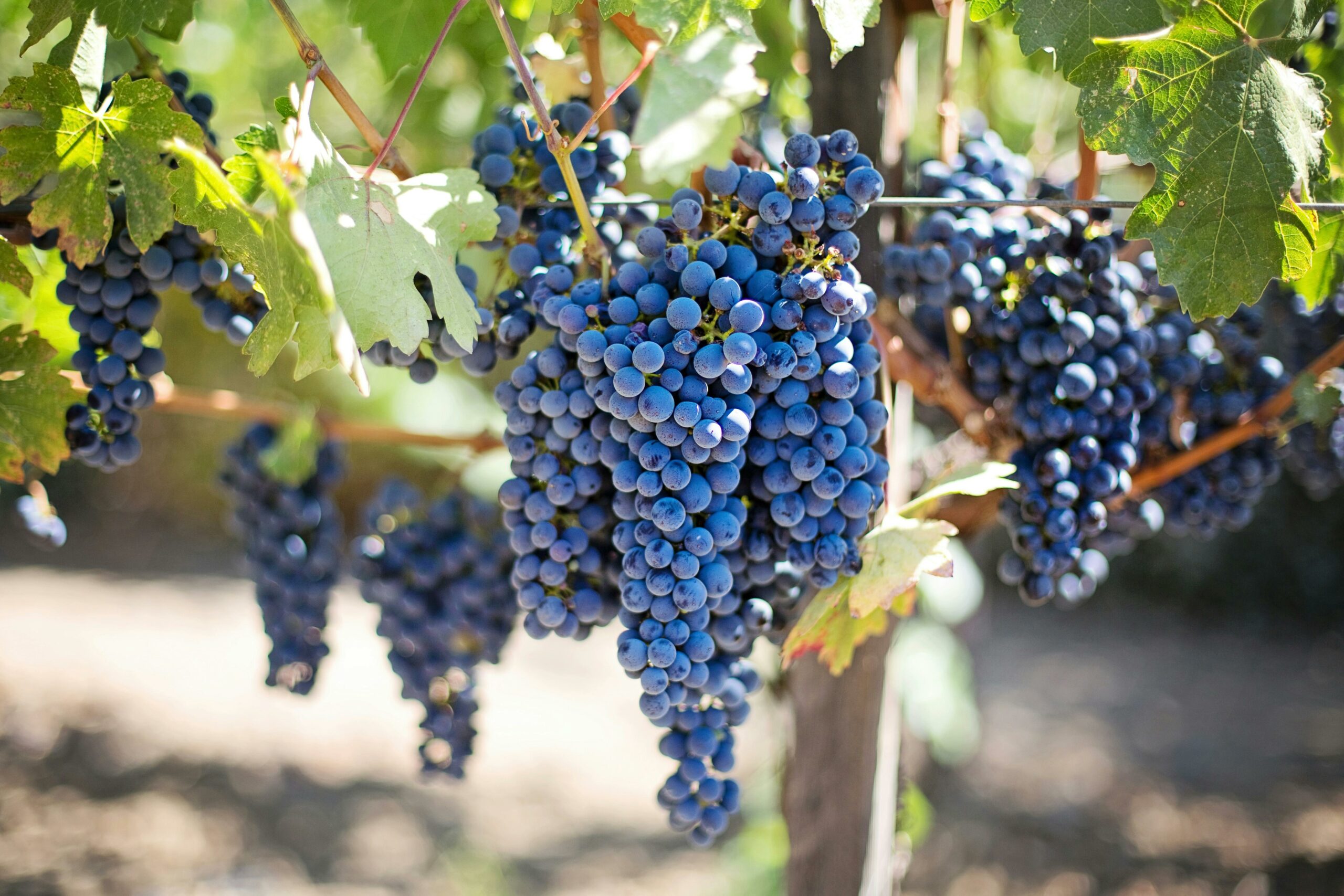
For South African wine producers, the United States has long represented a dream market: affluent consumers, sophisticated palates, and a seemingly endless appetite for premium imports. But that dream is turning sour.
Tariffs of up to 30% on certain South African agricultural products, imposed by the US, have made South African wine roughly 17% more expensive in America compared to 2024 prices, according to data from the United Nations Conference on Trade and Development (UNCTAD).
The result? A sharp decline in competitivenessand in shipments.
The Numbers Tell the Story
UNCTAD’s February global trade update paints a stark picture. US imports of South African goods fell 11% in the third quarter of 2025, followed by a dramatic 39% drop in the final three months of the year.
The tariff regime, UNCTAD noted, is “redistributing competitiveness in complex and uneven ways,” with impacts varying by sector, country, and export structure. For South African wine and fruit producers, the impact has been direct and painful.
“Countries need to monitor their relative tariff positions closely, diversify export markets when access tightens, and seize opportunities where preferential margins improve,” the organisation advised.
Record Exports, But Not to America
There is a paradox in the data. Despite the collapse in US-bound shipments, South Africa’s agricultural sector closed 2025 on a historic high, with total exports reaching a record $15.1 billion.
The Americas, including the US, accounted for just 4% of South Africa’s agricultural exports during the period. That figure reveals a significant shift: South African producers are finding buyers elsewhere.
A Broader Realignment
The numbers reflect a broader realignment of South Africa’s agricultural trade toward regional and emerging markets. African neighbours, Asian buyers, and Middle Eastern partners are absorbing product that might once have crossed the Atlantic.
For the wine industry specifically, the shift is significant. The US is the world’s largest wine market by value, and losing competitive position there is not easily compensated elsewhere. But with tariffs reshaping the landscape, producers have little choice but to adapt.
What Comes Next
The tariff dispute shows no sign of resolution. South Africa’s government has engaged diplomatically, but the broader trade tensions between Washington and Pretoriarooted in geopolitical differences as much as economic calculationssuggest relief is not imminent.
For now, South African wine will sit on American shelves at a 17% premium to its former price, competing against rivals from countries with preferential access. Some consumers will pay. Many will choose alternatives.
The lesson, as UNCTAD suggests, is clear: in a world of shifting tariff landscapes, diversification is not optional. It is survival.
South Africa’s producers are learning that lesson fast. The record $15.1 billion in exports proves they can adapt. But for the vineyards of Stellenbosch and Paarl, the American dream is on hold.