Business
PG Glass and Glasfit referred to Tribunal over alleged price fixing
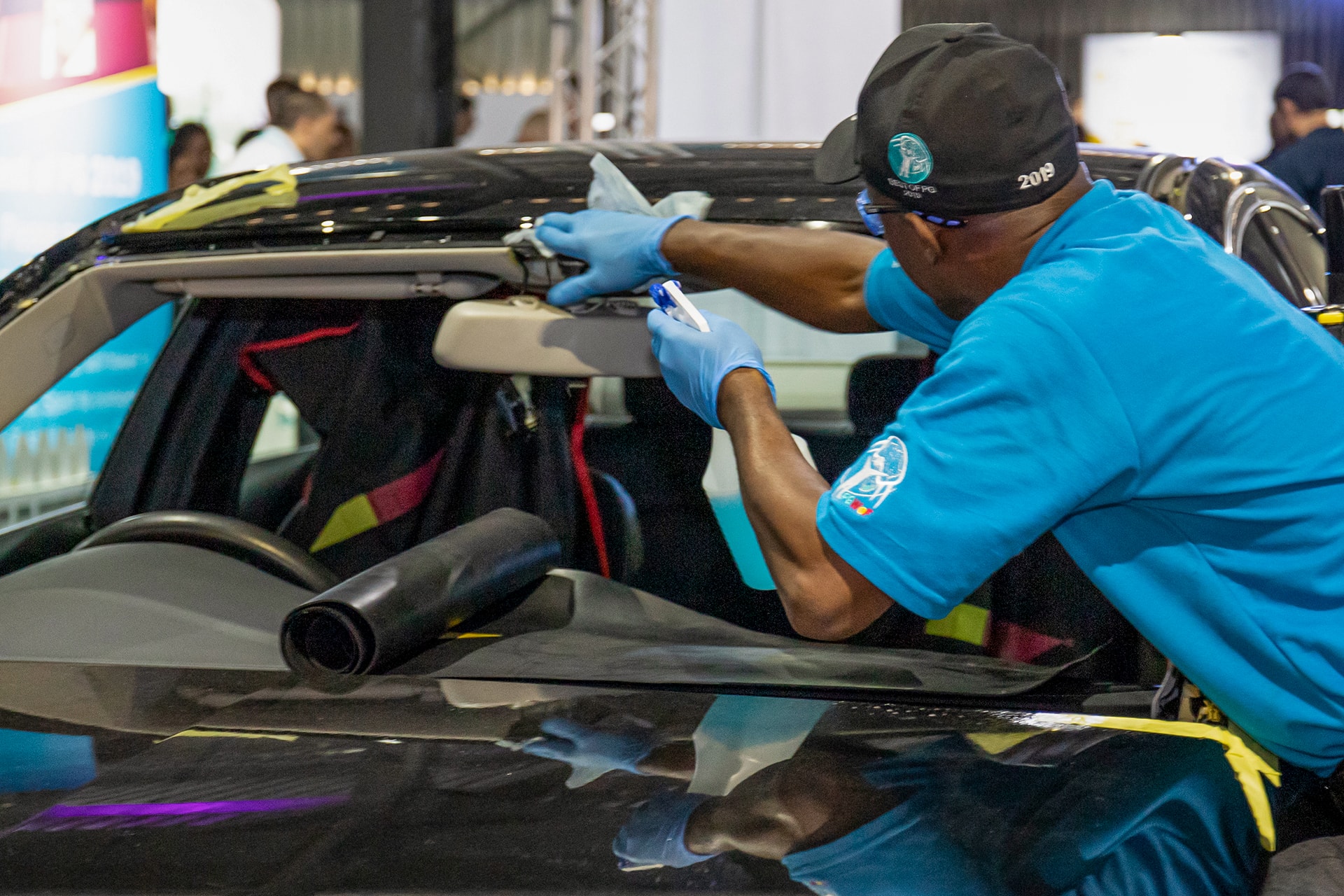
For decades, a cracked windscreen in South Africa has usually meant one of two names: PG Glass or Glasfit. They are the brands drivers trust when a stone chips the glass on the N1 or hail leaves its mark after a Highveld storm.
Now, both companies find themselves at the centre of serious allegations that could reshape the industry.
The Competition Commission has referred a complaint against PG Glass and Glasfit to the Competition Tribunal for prosecution after finding that the two companies allegedly operated as a cartel in the automotive glass market.
What the Competition Commission found
According to the Commission, the two companies, which compete in the distribution and fitment of automotive glass, are alleged to have entered into an agreement or engaged in a concerted practice to fix prices.
The alleged conduct dates back to 2004 and is said to be ongoing.
Investigators found what they describe as a longstanding agreement between PG Glass and Glasfit to increase the prices of automotive glass products supplied to both end users and insurance companies. Notably, the companies were found to increase their prices by the same percentage point annually.
Under South Africa’s Competition Act of 1998, price fixing is prohibited. If proven, the conduct would amount to a serious breach of competition law.
The Commission is now seeking an order from the Tribunal declaring that the companies contravened the Act. It has also proposed that each company face an administrative penalty of up to 10 percent of its annual turnover.
Why this matters to ordinary motorists
Automotive glass is not a luxury product. It is a necessity. Whether it is a cracked windscreen, shattered side window, or rear glass replacement, these repairs often happen unexpectedly and are frequently handled through insurance claims.
Commissioner Doris Tshepe noted that automotive glass forms part of industrial intermediary products, which is a priority sector for the Commission. She added that dismantling the alleged cartel would contribute to fairer pricing for consumers and insurance companies.
For drivers, that could mean more competitive quotes in the future. For insurers, it may translate into reduced claim costs, which in theory could ease upward pressure on premiums over time.
The companies at the centre
PG Glass is one of South Africa’s most recognisable glass brands, with roots stretching back to 1897. Over more than a century, it has grown into one of the country’s largest glass manufacturers and installers.
Glasfit, while younger, has been part of the market since 1989 and has built a strong national footprint.
Both brands are deeply embedded in the local motoring landscape, from dealership partnerships to insurance panel agreements.
That long history is precisely why the allegations have sparked a strong public reaction. On social media, many South Africans have expressed frustration, questioning whether they have been overpaying for years. Others have pointed out how limited choices can feel in certain areas, especially when insurance companies direct clients to specific providers.
What happens next
The matter now moves to the Competition Tribunal, which will determine whether the companies contravened the Competition Act.
If the Tribunal rules against them, the proposed administrative penalties of up to 10 percent of annual turnover would represent a significant financial blow. Beyond fines, a finding of price fixing could also trigger reputational damage and potentially open the door to civil claims.
For now, these remain allegations referred for prosecution. The Tribunal process will ultimately decide the outcome.
Still, the case highlights a broader issue in South Africa’s economy: how concentrated markets can quietly affect everyday costs. When two dominant players move in lockstep on pricing, consumers often have little room to negotiate.
As the legal process unfolds, many motorists will be watching closely. After all, in a country where potholes and flying gravel are part of daily driving, the cost of replacing a windscreen is not just an industry issue. It is personal.
Follow Joburg ETC on Facebook, Twitter, TikT
For more News in Johannesburg, visit joburgetc.com
Source: Business Tech
Featured Image: PG Glass