Courts & Legal
New Court Battle Launched As AfriForum Challenges The NHI Act

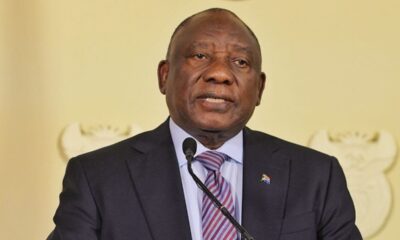
South Africa’s long running debate over universal healthcare has taken another sharp turn, with AfriForum heading to the Gauteng High Court in Pretoria to try and stop the National Health Insurance Act in its tracks. The organisation believes the law, signed by President Cyril Ramaphosa last year, stretches far beyond what the Constitution allows.
Why AfriForum Is Back In Court
In its latest application, AfriForum argues that the NHI Act gives national government sweeping control over how healthcare is funded, structured and delivered. At the centre of the challenge is whether provinces lose too much power in the process.
The group’s court papers state that by centralising budgets, purchasing and planning, the NHI Act strips provinces of their constitutional authority to run hospitals, clinics and ambulance services. According to AfriForum, these are duties that provinces have historically managed and funded through their own equitable share.
Concerns Over A Single Central System
Another key argument is that the NHI’s single purchaser model places both medical aids and private healthcare at risk. AfriForum believes limiting healthcare access to accredited providers within the NHI network could result in higher out of pocket costs, fewer choices for patients and uncertainty for private medical schemes.
The group also warns that the shift could reduce investment in the health sector, especially as many private providers may struggle to operate under strict new access and referral rules.
Does Centralisation Equal Better Care?
The organisation further claims that government has not conducted a proper assessment to show that the public health system’s challenges can be solved through the NHI framework. South Africans are already familiar with issues such as understaffing, long waiting times, outdated equipment and governance failures. AfriForum argues that placing more pressure on a struggling system may undermine rather than improve access to quality care.
They also say the policy may reduce the ability of individuals and families to maintain the standard of healthcare they currently pay for through medical schemes. For many middle income households, this raises fears about losing reliable access to specialists, private hospitals and emergency services.
What Happens Next
President Cyril Ramaphosa, Health Minister Dr Aaron Motsoaledi, Finance Minister Enoch Godongwana, National Assembly Speaker Thoko Didiza and NCOP chairperson Refilwe Mtshweni Tsipane have all been cited as respondents. They now have 20 days to indicate whether they plan to defend the case.
This latest challenge adds to a growing list of court actions against the NHI Act and signals that South Africa’s path toward universal healthcare is likely to be shaped not only by policy debates but also by the courts.
As the legal and political battle unfolds, many South Africans will be watching closely, hoping for clarity on how the country will secure fair, sustainable and functional healthcare for all.
{Source:IOL}
Follow Joburg ETC on Facebook, Twitter , TikTok and Instagram
For more News in Johannesburg, visit joburgetc.com