Rich lists
Meet the three highest-paid Springboks cashing in at home (2026)
Meet the three highest-paid Springboks cashing in at home
Success has a price tag and in South African rugby right now, it’s a big one.
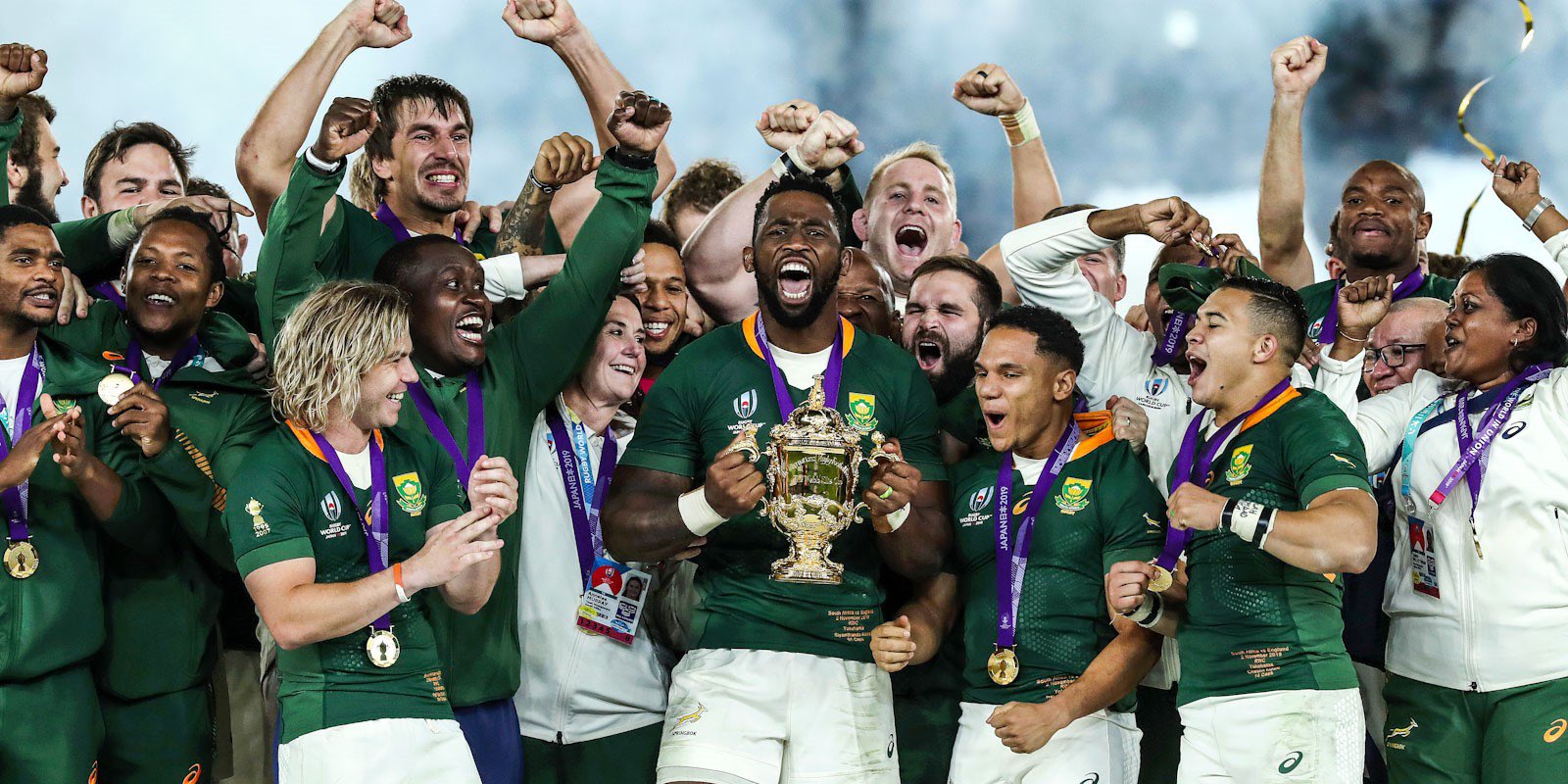
With the Springboks sitting proudly as back-to-back Rugby World Cup champions, holders of the Rugby Championship and winners of two recent British & Irish Lions series, it’s no surprise their biggest stars are commanding serious salaries.
In a rugby-mad country where kids still practise conversions in dusty school fields and shout “Bokke!” at passing cars, these players aren’t just athletes, they’re national symbols. And at club level in South Africa, three names stand above the rest when it comes to pay packets.
Let’s break down who they are, what they reportedly earn, and why.
1. Siya Kolisi – The captain who carries a nation
Club: Sharks
Reported salary: £775,000 (about R16.8 million per year)
At the top of the earnings list is Siya Kolisi and few would argue he hasn’t earned it.
Kolisi is more than just the Springbok captain. He’s the face of a generation of South African rugby: a leader who lifted the Webb Ellis Cup twice and helped steer the team through some of its most defining moments.
According to reports from Ruck, Kolisi earns £775,000 per season at the Sharks. That works out to nearly R17 million a year.
In Durban, where rugby is woven into coastal culture, Kolisi’s presence has added both star power and leadership. On social media, fans regularly praise not just his performances but his influence off the field from community work to his calm authority in pressure moments.
In pure rugby terms, he’s a dynamic loose forward. In symbolic terms, he’s priceless. The salary reflects both.
2. Eben Etzebeth – The enforcer rewriting the record books
Club: Sharks
Reported salary: £770,000 (about R16.7 million per year)
Just behind Kolisi is rugby’s ultimate enforcer, Eben Etzebeth.
Etzebeth reportedly earns £770,000 a season, roughly R16.7 million annually, also at the Sharks. The towering lock is already the most capped Springbok of all time, sitting on 141 Test matches and counting.
He’s on course to become the first player in South African rugby history to reach 150 Tests, a milestone that speaks to both longevity and relentless physical commitment.
In a country that appreciates grit, Etzebeth embodies the hard edge of Bok rugby. Big hits, uncompromising defence, and a presence that unsettles opponents before kickoff.
Supporters often joke that he “earns his money in collisions alone.” Considering his role in two World Cup triumphs, that may not be far from the truth.
3. Handré Pollard – The ice-cold finisher
Club: Bulls
Reported salary: £600,000 (about R13 million per year)
When the game is on the line, South Africans look to one man: Handré Pollard.
Pollard reportedly earns £600,000 a season, about R13 million with the Bulls following his return to South Africa. That makes him the highest-paid backline player in the country.
His value isn’t just in flair but in nerve.
In the 2023 Rugby World Cup final, Pollard scored all 12 points in South Africa’s nail-biting 12–11 victory over New Zealand. Four years earlier, in Japan, he kicked 22 points in the 32–12 final win over England.
Two finals. Two masterclasses.
In braais across the country, fans still replay those kicks in conversation. In tight matches, Pollard’s calmness is currency and the Bulls are paying accordingly.
Why these salaries make sense
It’s easy to gasp at eight-figure rand salaries. But context matters.
The Springboks are currently one of the most successful teams in global rugby. They generate enormous commercial value, ticket sales, broadcasting rights, sponsorships and global attention.
When a team wins two World Cups in a row, its stars become global assets. Clubs that keep elite players at home aren’t just paying for performance, they’re investing in brand power, mentorship and long-term competitiveness.
It’s also worth noting that these reported figures, sourced from Ruck, exclude bonuses, incentives and Springbok appearance payments.
In other words, match-winning moments likely come with additional rewards.A new era of keeping talent local
For years, many of South Africa’s best players headed overseas for bigger contracts. The fact that Kolisi, Etzebeth and Pollard are among the highest-paid while playing locally signals a shift.
South African franchises are competing harder to retain world-class talent. And for fans, that means seeing global icons week in and week out on home soil.
From Durban to Pretoria, packed stadiums and roaring crowds suggest supporters believe it’s money well spent.
Because when your team delivers World Cups, glory and unforgettable nights, the return on investment isn’t measured in pounds or rands, it’s measured in pride.
{Source: The South African}
Follow Joburg ETC on Facebook, Twitter , TikTok and Instagram
For more News in Johannesburg, visit joburgetc.com