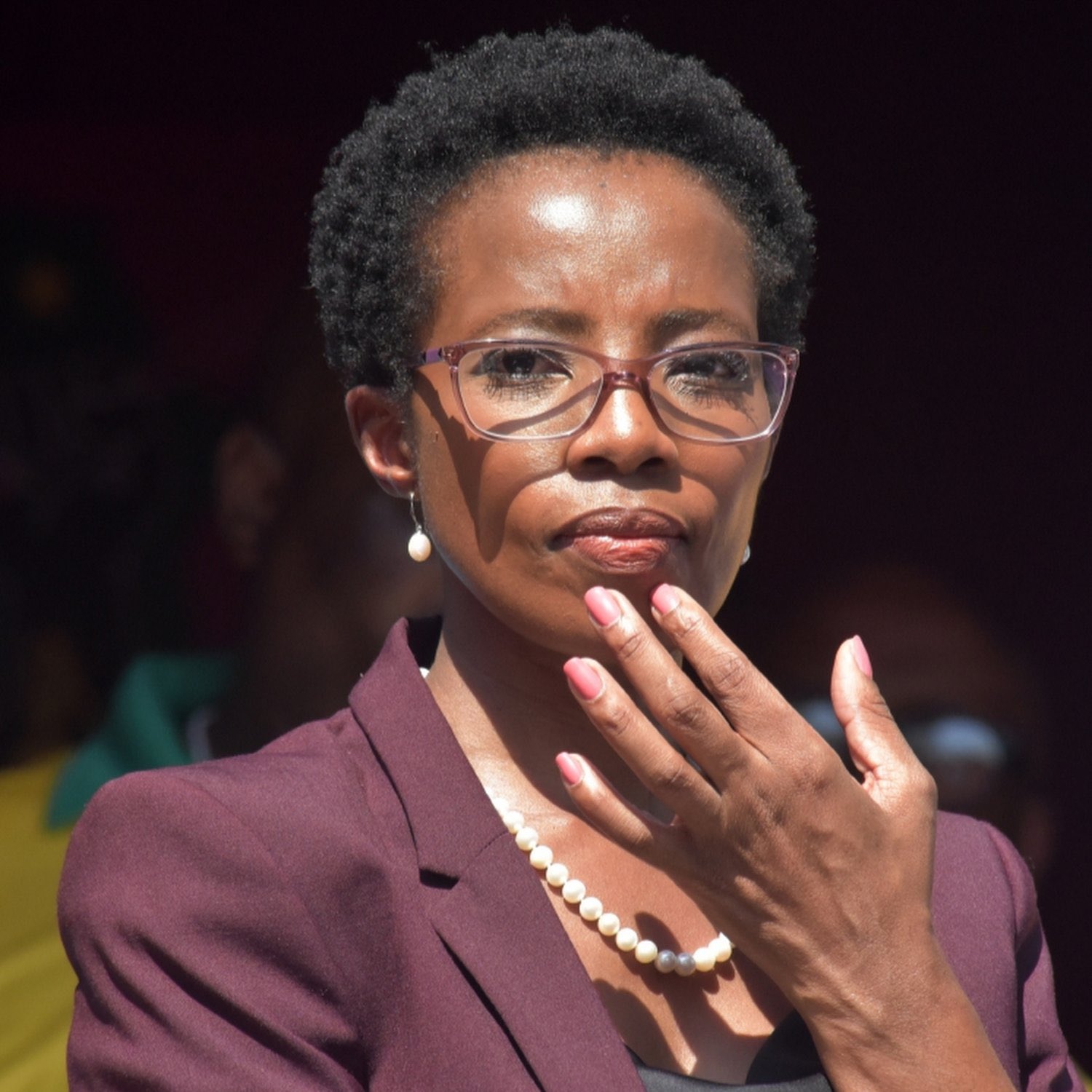
Public Protector Kholeka Gcaleka has recused herself from the ongoing investigation into the salary hike for Parliament Secretary Xolile George, citing an alleged romantic relationship that could create a conflict of interest.
The move follows a complaint by the Democratic Alliance regarding salary increases for George implemented by Parliament’s former presiding officers. George’s remuneration has reportedly risen by 88% since his appointment in 2022.
Gcaleka’s functions in the matter will now be performed by Deputy Public Protector Advocate Thandi Dube.
But while the recusal is legally proper, analysts warn that it may not be enough to restore public confidence in an institution already under scrutiny.
‘Integrity and Fairness’
Gcaleka’s spokesperson, Ndili Msoki, said the Public Protector had taken this course of action to avoid any association with a case where her personal interest might be perceived to compromise her impartiality.
He compared the situation to judicial recusal, “where the law allows for a judge to withdraw from presiding over a case due to potential bias, conflict of interest, or any reason that may be perceived to impede their impartiality.”
“The core principle behind judicial recusal is to uphold the integrity and fairness of the process, ensuring that justice is not only done, but is also seen to be done,” Msoki said.
He cited sections of the Public Protector Act dealing with the management of interests that may give rise to a perceived conflict, and the delegation of powers and functions.
The Credibility Question
Despite the procedural correctness, analysts question whether the recusal addresses deeper concerns about Gcaleka’s tenure.
Sandile Swana, a political analyst and governance expert, said the DA will now have to scrutinise Gcaleka’s actions with regard to this probesuggesting that oversight of the process remains necessary even after recusal.
Zakhele Ndlovu was blunter. He alleged that Gcaleka does not “enjoy credibility” due to her handling of the Phala Phala farm scandal, where she released a report clearing President Cyril Ramaphosa of wrongdoing. Opposition parties, including the DA and EFF, opposed her nomination at the time, arguing she was “politically expedient” and soft on the executive.
Ndlovu expressed concern that Gcaleka’s presence could influence her deputy, potentially compromising the process despite the formal recusal.
Professor Ntsikelelo Breakfast went further, claiming that the removal of former Public Protector Busisiwe Mkhwebane was a political move to protect Ramaphosa from facing the Phala Phala probe, and alleging that Gcaleka’s report was “questionable.”
The Institution’s Response
Msoki pushed back against the criticism, stating that the Phala Phala matter had been “dealt with at length in the past” and that the report is currently the subject of High Court litigation. “We trust that the process will bring finality to the matter,” he said.
He also emphasised that Gcaleka has introduced “various layers of quality assurance mechanisms within the investigative process in the last three years” to ensure investigations are of a high standard, capable of judicial scrutiny, and conducted in line with the institution’s constitutional mandate.
The Larger Problem
The Gcaleka recusal highlights a persistent challenge for South Africa’s Chapter 9 institutions: even when proper procedures are followed, perceptions of political influence and institutional capture can undermine public confidence.
The DA’s complaint about George’s salary hike will now be investigated by Dube. Whether that investigation is seen as credible will depend not only on its findings, but on the broader context of trustor distrustin which it operates.
For Gcaleka, the recusal was the legally correct step. But for an institution already battling perceptions of compromise, doing the right thing may not be enough to restore faith. The damage, analysts suggest, runs deeper.