Business
Smart ID bank rollout begins, but access limited for many South Africans
For years, getting a Smart ID in South Africa has meant two things: patience and luck. Patience for the queues, and luck if you managed to secure one of those elusive eHomeAffairs booking slots.
So when news broke that banks would soon allow walk-in Smart ID applications through a new digital partnership with the Department of Home Affairs, it felt like a breakthrough. No more frantic refreshing of the booking page. No more weeks of waiting.
But as the first branches prepare to go live, there is an important detail many South Africans did not expect.
What Standard Bank is launching
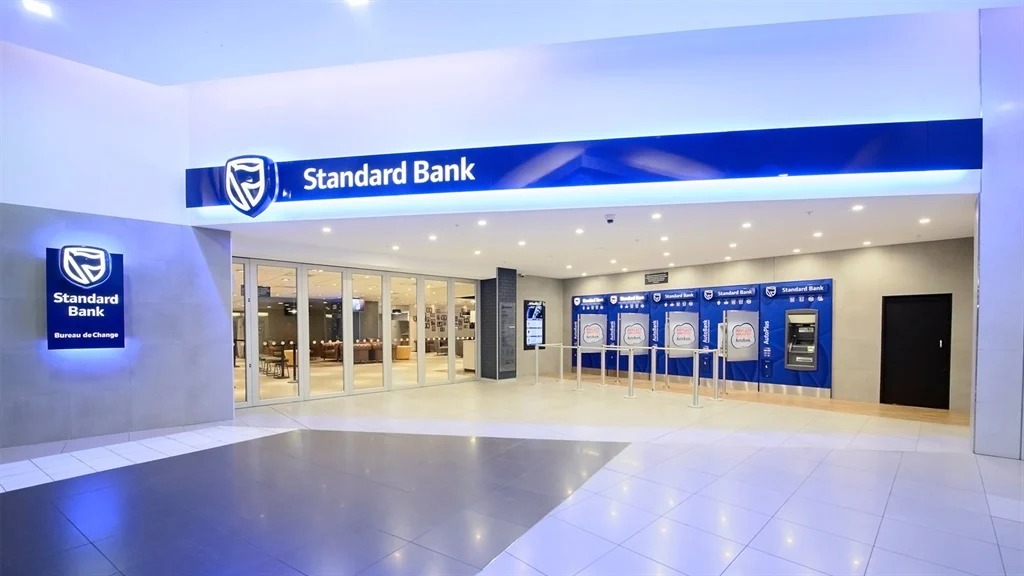
Standard Bank has announced a phased rollout of Smart ID services at three branches: Rosebank, Maponya Mall, and Westgate.
The Department of Home Affairs will work with the bank under a new digital partnership model that allows bank staff to process Smart ID applications using the bank’s own equipment.
Unlike the older eHomeAffairs setup, where Home Affairs officials and equipment were placed inside certain branches, this new system connects directly to government systems through an API. That link includes access to the national population register to verify identity details in real time.
Another major change is that applicants will not need to book online appointments. Walk-ins will be allowed once the service officially goes live.
For many South Africans who have struggled to find available slots through eHomeAffairs over the past year, this alone sounds like a huge relief.
The restriction many did not expect
Here is where the disappointment comes in.
Standard Bank has confirmed that although it will accept walk-ins, the Smart ID service at its new branches will be limited to its own customers.
That means if you bank with someone else, you will not be able to use the service at these specific branches, at least for now.
This appears to contradict earlier statements from Home Affairs in August 2025, when it said the first two banks in the partnership, Standard Bank and FNB, would offer the service to all citizens regardless of which bank they use.
Standard Bank has not given a detailed explanation for the restriction. It may open the service to other customers later, possibly with an added fee, but that has not been confirmed.
It is also worth noting that the three branches have not officially launched the service yet. The bank says it is working closely with Home Affairs and will announce a final go-live date once confirmed by the minister and his team.
What about other banks?
FNB has signed up for the digital partnership and is expected to offer the service more broadly.
Capitec has also confirmed it will provide Smart ID services to all South Africans, not just its own clients.
Capitec’s involvement is significant. As the country’s largest bank by customer numbers, it has a wide branch footprint, including in rural and less populated areas where access to Home Affairs offices can be limited.
There is, however, a cost difference.
Standard Bank will not charge its clients any additional fees during the launch phase beyond the standard R140 Smart ID fee set by Home Affairs.
Capitec, on the other hand, will charge a R10 admin fee on top of the R140. This additional amount aligns with the online verification system charge that third parties pay to verify identities against the national population register.
For Standard Bank customers, the no-fee launch phase effectively acts as a value add. For others, Capitec may currently offer the more accessible option, albeit at a slightly higher total cost.
Why this matters beyond the headlines
The digital partnership model was positioned as a way to expand access, especially in areas where there are only a handful of bank branches within reasonable travelling distance of rural communities.
The promise of a bank-agnostic system suggested a future where your choice of bank would not determine your access to essential government services.
For now, though, at least one major player is limiting access to its own clients.
On social media and community forums, many South Africans have expressed mixed reactions. Some welcome any improvement that reduces queues and booking chaos. Others question whether essential identity services should ever be tied to private banking relationships.
The bigger picture is that this rollout is still in its early stages. As more banks join and systems stabilise, policies may shift.
For now, if you are planning to apply for a Smart ID at a bank branch, it is worth double-checking whether your bank is participating and whether you qualify to use the service.
In true South African fashion, progress has arrived, just with a few conditions attached.
Follow Joburg ETC on Facebook, Twitter, TikT
For more News in Johannesburg, visit joburgetc.com
Source: MyBroadband
Featured Image: News24