Business
Ramaphosa defends SANDF deployment as crime surge grips South Africa
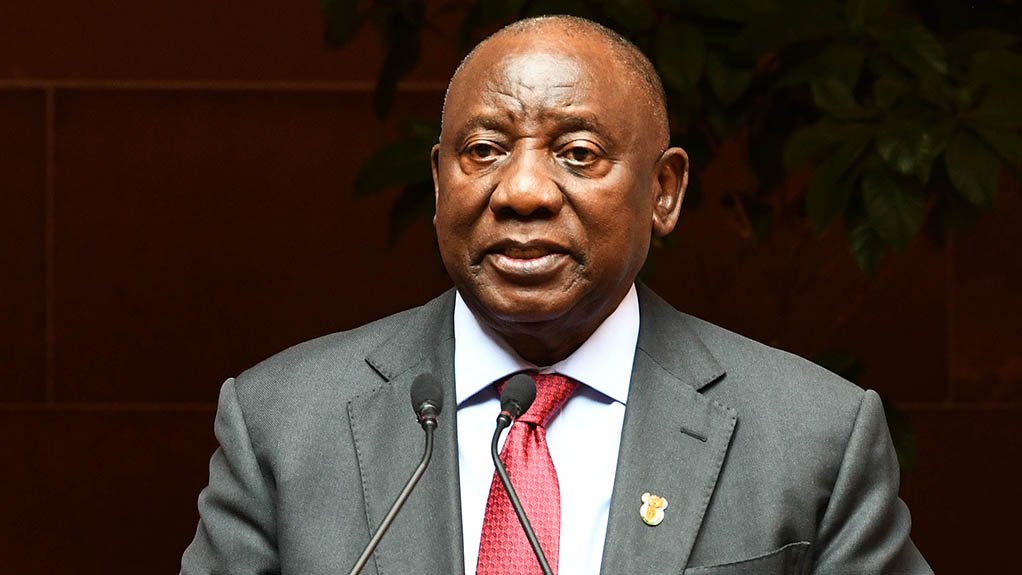
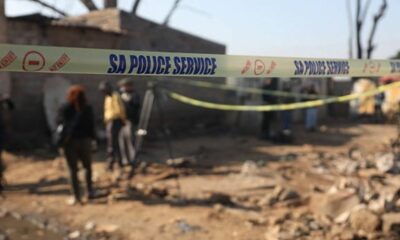
When President Cyril Ramaphosa stood before Parliament during his State of the Nation Address earlier this month, one announcement cut through the usual political noise. The South African National Defence Force would be deployed to support police in the fight against organised crime, gang violence, and illegal mining.
In a country with a complex history around the use of military force inside its own borders, it was a moment that sparked immediate debate.
Why the army, and why now?
Ramaphosa has been clear that the decision was not taken lightly. South Africa, he said, is facing a surge in violent organised crime that threatens both public safety and the authority of the state.
He acknowledged the sensitivity of deploying soldiers domestically, especially given the apartheid era, when the military was used to suppress communities. That history, he stressed, means any internal deployment must be justified and carefully managed.
According to the president, the current situation qualifies as exceptional. In his view, extraordinary challenges demand extraordinary responses.
Support, scepticism, and strong opinions
Reaction has been mixed.
Some opposition parties, including the Democratic Alliance and the Economic Freedom Fighters, have expressed support for the move. In areas plagued by illegal mining syndicates and heavily armed gangs, many residents have also voiced frustration at the scale of violence and welcomed tougher action.
But academics and policy analysts have raised concerns. Their argument is that while soldiers may help stabilise volatile areas in the short term, the underlying social and economic drivers of crime remain unresolved. Without deeper structural reform, they warn, the deployment risks being a temporary fix.
That tension reflects a broader national conversation. South Africans want safety, but they are also wary of heavy-handed measures that do not address root causes.
What soldiers will actually do
Ramaphosa has emphasised that the SANDF will not replace the police. Instead, soldiers will operate in support of the South African Police Service and under police command.
Their role may include protecting officers during high-risk operations, assisting with cordon and search actions against armed criminals, and securing critical infrastructure. By guarding strategic sites, soldiers can free up police officers to focus on investigations, arrests, and building cases that lead to successful prosecutions.
The deployment has been framed as time-limited and guided by clear rules of engagement.
At the same time, the government says this is part of a broader strategy. Anti-gang units and illegal mining task teams are being strengthened. Police are also working with the National Prosecuting Authority in multidisciplinary teams aimed at targeting the leadership, finances and logistics of criminal networks.
Not a new role for the SANDF
This is not the first time the military has been called in to assist domestically.
In recent years, the SANDF has supported disaster relief operations, including flood response efforts in Limpopo and Mpumalanga. Soldiers assisted with evacuations, infrastructure repairs and temporary structures, and provided healthcare services to tens of thousands of people in underserved communities.
The military also played a visible role during the COVID-19 pandemic, helping enforce disaster regulations, support border security, and set up field hospitals.
Beyond crises, the SANDF has conducted border operations aimed at curbing illicit activity and illegal crossings.
A force under pressure
All of this is happening against the backdrop of financial strain. The president acknowledged that the defence force is grappling with funding constraints amid broader public finance challenges.
He said the government is working to close funding gaps and improve readiness as the country’s fiscal position stabilises.
To counter fears that South Africa is drifting towards militarisation, Ramaphosa pointed to constitutional safeguards. Today’s SANDF operates under civilian oversight, reflects the country’s diversity, and is bound by both the Constitution and international humanitarian law.
The bigger picture
The deployment raises uncomfortable but necessary questions. Can force deter networks that are deeply embedded in local economies? Will visible military presence restore confidence in communities living under the shadow of gangs and illegal mining syndicates?
For many South Africans, especially in areas where gunfire and extortion have become part of daily life, the immediate priority is safety. Long-term reform remains essential, but stability often has to come first.
Ramaphosa’s message is that this is not about turning the country into a military state. It is about buying breathing room while law enforcement and prosecutors dismantle criminal structures from the top down.
Whether the strategy succeeds will depend not only on boots on the ground, but also on what happens once the soldiers eventually step back.
Follow Joburg ETC on Facebook, Twitter, TikT
For more News in Johannesburg, visit joburgetc.com
Source: Business Tech
Featured Image: Polity.org.za