News
Ramaphosa Moves To Calm Public Concerns As SANDF Hits The Streets
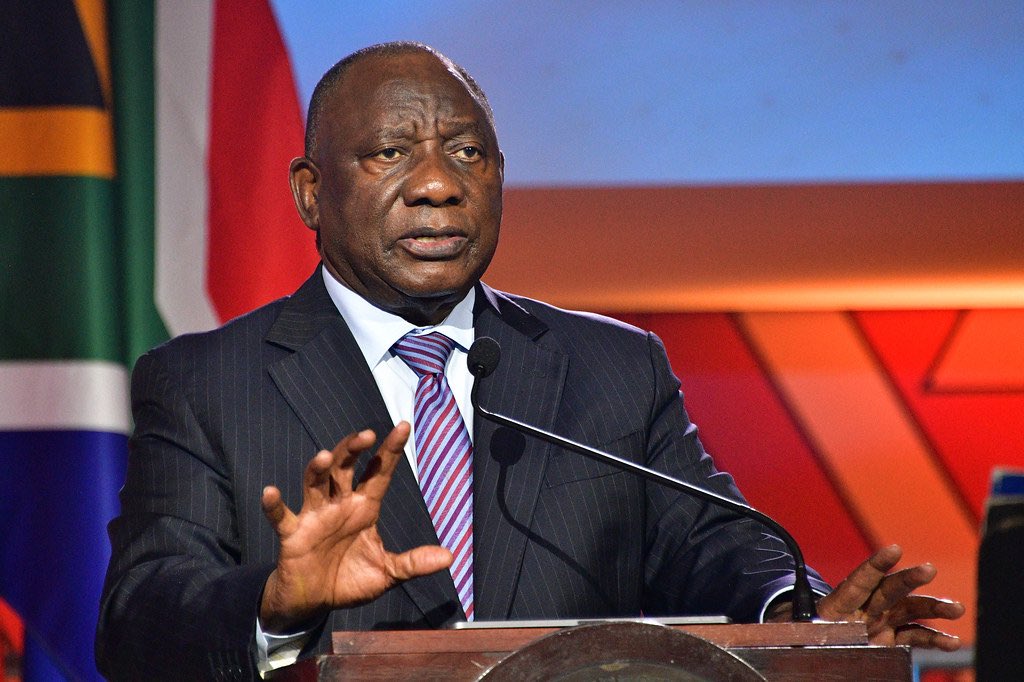
South Africans woke up this week to a familiar but uneasy sight: uniformed members of the South African National Defence Force stationed on local streets in parts of Gauteng and the Western Cape. Given our country’s painful history, it is no surprise that many people reacted with worry. But President Cyril Ramaphosa insists the deployment is not only justified but urgently needed.
In his weekly newsletter, penned just after Armed Forces Day celebrations in Limpopo, the President tried to strike a balance between reassurance and realism. He made it clear that the military’s presence is not a step backwards to the dark days of apartheid era force. Instead, he says, it is a targeted response to a wave of violent and highly organised crime.
Why The Military Is Back On The Ground
The deployment was first announced during the State of the Nation Address earlier in February. The SANDF will support the SAPS as police tackle two of the country’s most overwhelming criminal threats: illegal mining syndicates and escalating gang violence.
Ramaphosa reminded South Africans that using the army for domestic issues is never taken lightly. He acknowledged that memories of soldiers being used to suppress communities still shape how people respond today.
But he says the numbers and crime patterns speak for themselves. Organised criminal networks have become more violent, more sophisticated and more deeply entrenched.
The SANDF’s job will not be frontline policing. They will operate under SAPS command, with strict rules and time-limited objectives. Their role is more supportive: securing high risk areas, protecting critical infrastructure and creating space for police to focus on actual investigations and arrests.
What Soldiers Will Be Doing
Ramaphosa outlined what the deployment might look like on the ground. Soldiers could be called into cordon and search operations targeting armed criminal groups. They could secure electricity substations and other critical infrastructure that criminal networks often sabotage. By taking on these heavy duty tasks, SAPS is freed up to do the work that actually leads to convictions.
The President also highlighted parallel measures, such as strengthening anti-gang units and illegal mining task teams. The SAPS and National Prosecuting Authority are also forming coordinated teams aimed at dismantling criminal groups at leadership and financial levels, not just arresting foot soldiers.
This Is Not The First Time South Africa Has Leaned On The Army
Many South Africans still remember the intense military deployment during COVID 19, when soldiers helped enforce disaster regulations, secure borders and even set up field hospitals. More recently, SANDF members played a major role during the Limpopo and Mpumalanga floods, helping with evacuations and temporary infrastructure.
The forces have also worked on long term development projects such as Project Owethu, which recently provided healthcare services to over 50 000 residents across underserved communities. Other programmes, like the Welisizwe Rural Bridges initiative, have helped improve access for isolated rural villages.
Ramaphosa pointed to these examples as proof that the SANDF has increasingly become a public service force, not just a defence structure.
Financial Strain, New Recruits And The Future Of The SANDF
The President did not shy away from the uncomfortable truth: the SANDF is underfunded and overstretched. Yet government believes the situation is slowly improving and plans are in motion to close funding gaps.
He also emphasised the growing need for young recruits. The application process for the 2027 Military Skills Development System has opened, giving thousands of young South Africans a path into the army, air force, navy and military health service.
For Ramaphosa, the future SANDF must reflect the country it serves: diverse, constitutional and rooted in community protection rather than intimidation.
A Delicate Balancing Act For South Africa’s Democracy
Ramaphosa closed his message with a reminder of what the SANDF represents today compared to pre 1994. It is no longer a force used to enforce a political agenda. It is, he says, a constitutional body working to safeguard communities and assist the police at a time when crime levels are threatening national stability.
As the deployment rolls out, South Africans will be watching closely. Many hope this will be the turning point against criminal networks. Others fear a slippery slope. What is certain is that the stakes are high and the country’s trust must be earned, not assumed.
If the SANDF can help create safer communities while respecting democratic principles, the deployment could be remembered as a crucial intervention rather than a controversial misstep.
{Source:The South African}
Follow Joburg ETC on Facebook, Twitter , TikTok and Instagram
For more News in Johannesburg, visit joburgetc.com