Crime
Over 2,000 fraudulent study visas to be cancelled in Home Affairs corruption clean up
South Africa’s immigration system is once again under the spotlight. This week, the Department of Home Affairs confirmed that more than 2,000 study visas were fraudulently issued through internal syndicates operating inside the department itself.
The revelation has sparked renewed debate about corruption, border control, and the integrity of state institutions. For many South Africans who have long complained about slow visa processes or questionable approvals, this latest development feels both alarming and long overdue.
What the department has confirmed
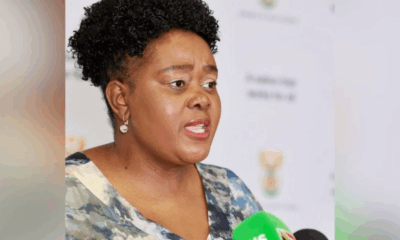
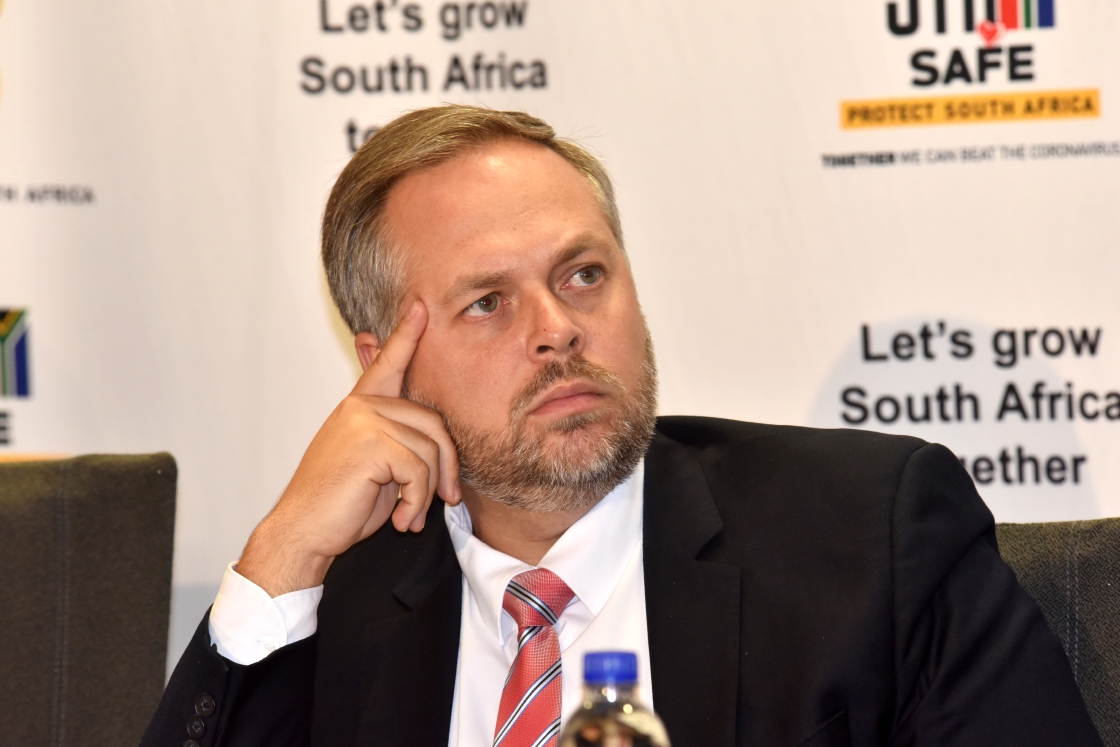
Home Affairs Minister Leon Schreiber said the department has identified over 2,000 study visas that were issued irregularly. Administrative steps are now underway to cancel these visas.
But it does not stop there. The department will also ringfence any further visas obtained by the same individuals. In simple terms, if someone used a fraudulent study visa as a stepping stone to secure other permits, those documents will also be scrutinised and potentially withdrawn.
Where necessary, those involved could face deportation or prosecution.
The study visas form part of a much wider investigation into serious maladministration in visa processing. The probe was authorised by President Cyril Ramaphosa under Proclamation 154 of 2024. It covers a lengthy period from October 2004 to February 2024, spanning nearly two decades.
How the system was exploited
According to the minister, a small group of officials took advantage of manual processes and systemic loopholes within the visa system. Because many processes were not fully digitised, it created opportunities for manipulation.
The picture painted by investigators is troubling. Acting head of the Special Investigating Unit Leonard Lekgetho described an immigration system that had effectively been turned into a marketplace, where permits and visas were sold to the highest bidder.
The SIU previously disclosed that officials earning less than R25,000 per month were receiving millions of rand in direct deposits linked to visa approvals. Financial benefits exceeding R181 million were traced to people who gained from fraudulent visa applications.
For many South Africans, those numbers hit hard. At a time when service delivery frustrations dominate daily life, the idea that public servants were allegedly enriching themselves through immigration corruption has triggered strong reactions online.
Officials already dismissed
Minister Schreiber confirmed that 20 officials have been dismissed since April last year following disciplinary processes related to visa corruption.
These dismissals form part of a broader clean-up effort inside Home Affairs. The cancellation of the 2,000 study visas is not a standalone action but part of ongoing administrative and disciplinary processes aimed at restoring credibility to the immigration system.
Why this matters beyond visas
On paper, this is about study visas. In reality, it is about trust.
South Africa relies on a functioning immigration system for universities, skilled migration, tourism, and business investment. Fraud within that system does not only affect paperwork. It affects international confidence and local faith in governance.
Johannesburg, in particular, is home to major universities and thousands of international students. Genuine students who followed the correct legal route may now worry about additional scrutiny or delays. That is why the department’s emphasis on targeted cancellations is important. The focus is on irregularly obtained documents, not lawful applicants.
There is also a broader political dimension. Immigration remains a sensitive topic in South Africa, especially in major metros where economic pressure and social tensions often intersect. Cleaning up corruption within Home Affairs may help shift the conversation from blame to accountability.
A long road ahead
The investigation spans almost 20 years. That alone shows how deeply rooted the weaknesses were.
By cancelling fraudulently issued study visas and pursuing those responsible, Home Affairs is signalling a tougher stance. Whether this marks a lasting turning point will depend on continued reforms, tighter controls, and stronger internal oversight.
For now, more than 2,000 study visas are set to be withdrawn. It is a significant number and a clear sign that the department is attempting to close loopholes that should never have existed in the first place.
Follow Joburg ETC on Facebook, Twitter, TikT
For more News in Johannesburg, visit joburgetc.com
Source: IOL
Featured Image: Business Day