Business
South Africa’s R1 billion a day debt crisis: Can we finally break the cycle?
For more than ten years, South Africa has been caught in a stubborn economic loop. Growth slowed. Tax revenue shrank. Investors grew uneasy. Borrowing became more expensive. And that, in turn, made growth even harder to achieve.
It is a cycle that has quietly shaped daily life in ways many South Africans feel but may not always connect to the national balance sheet. Fewer jobs. Tight public services. Constant talk of budget pressure.
According to Symmetry chief investment strategist Izak Odendaal, the country drifted away from a long-held economic pattern around 2013. Traditionally, bond yields tend to move in line with nominal GDP growth, which combines real growth and inflation. In simple terms, when an economy grows steadily, borrowing costs tend to follow a predictable path.
South Africa broke that pattern.
As economic performance weakened and the country’s creditworthiness deteriorated, bond yields climbed. Short-term government bonds hovered above 7 percent, while longer-term debt rose above 10 percent. That meant the country paid a hefty premium to borrow.
Today, South Africa spends more than R1 billion every single day just servicing its debt. Money that could have gone towards schools, clinics, or infrastructure instead goes to covering past borrowing. Many economists describe it as dead money. Necessary, but unproductive.
The cost of trying to spend our way out
Since 2013, the government has tried to stimulate the economy through higher spending. The idea was simple. Inject money, boost growth, and increase revenue.
In practice, it did not work.
Instead, budget deficits persisted and debt ballooned. Over the past decade, economic growth averaged roughly 0.8 percent a year. Government debt climbed to more than 77 percent of GDP. To put that in perspective, when Trevor Manuel left office in 2009, debt stood at 26 percent of GDP and was falling.
On social media, frustration around government debt often centres on waste and mismanagement over the past 15 years. Many South Africans ask a blunt question. How did spending rise so sharply with so little visible improvement in economic performance?
A slow shift under fiscal consolidation
There are early signs that the cycle may be easing.
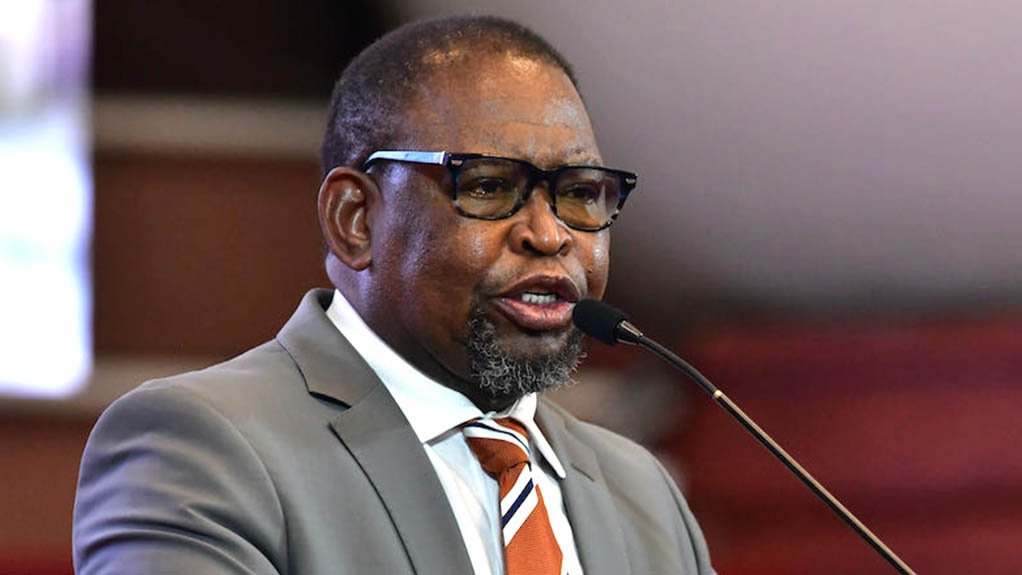
Since 2021, under Finance Minister Enoch Godongwana, the National Treasury has focused on fiscal consolidation. It has not been popular. Containing spending in a stagnant economy is painful. Departments have faced tight budgets. Tax collection efforts have intensified.
But the numbers are beginning to reflect change.
South Africa is projected to record a primary budget surplus of 0.9 percent of GDP this financial year. Over the next three years, that surplus is expected to widen to above 2 percent. A primary surplus means the government collects more revenue than it spends, excluding debt servicing costs. It is expected to achieve this for three consecutive years.
That shift could stabilise debt at roughly 77.9 percent of GDP before it gradually declines. In effect, it stops the debt pile from growing further.
Odendaal describes this moment not as a dramatic policy pivot but as a turning point in investor perception. For years, South Africa was seen as a country sliding towards runaway debt. Fiscal discipline, if sustained, could begin to rebuild confidence.

Image 1: Daily Investor
Growth still holds the key
Breaking the cycle does not rest on spending cuts alone. Faster economic growth is essential.
Operation Vulindlela, a joint initiative aimed at accelerating structural reforms, is intended to remove bottlenecks in sectors such as energy, logistics, and telecommunications. The idea is straightforward. Make it easier to do business, unlock private sector investment, and lift growth.
Economists caution that the turnaround remains fragile. Fiscal discipline must hold, and reform momentum cannot stall.
For ordinary South Africans, the real test will not be bond markets or budget ratios. It will be whether growth becomes visible in everyday life. More jobs. Better services. A sense that the country is moving forward rather than treading water.
After a decade of stagnation, even cautious optimism feels like progress.
Follow Joburg ETC on Facebook, Twitter, TikT
For more News in Johannesburg, visit joburgetc.com
Source: Daily Investor
Featured Image: Polity