Business
SPAR share price crashes to 16-year low after weak results and leadership turmoil
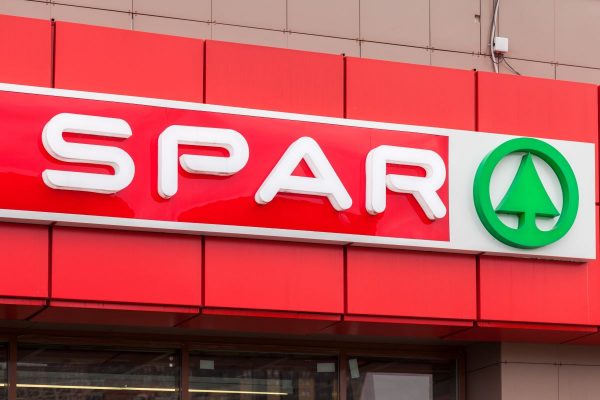
For many South Africans, SPAR is more than a supermarket. It is the corner store you run to for bread before load shedding kicks in. It is the place that sponsors local school events and weekend braais.
But on the JSE this week, the mood was anything but neighbourly.
Shares in SPAR tumbled to levels last seen in 2010 after the retailer released a trading update on Monday, 23 February 2026. The numbers, covering the 18 weeks ended 30 January 2026, were enough to rattle even long-time shareholders.
By the end of Monday, the share price had dropped 10%. By midday Tuesday, it had fallen another 8%. Over the past year, SPAR has lost more than half its value, making it the worst-performing large food retailer in South Africa right now.
For a brand that once stood firmly among the country’s retail heavyweights, that is a sobering shift.
Stagnant growth in a brutal retail climate
The trading update painted a picture of slow revenue growth and heavy margin pressure in an intensely competitive food retail market.
Internal selling price inflation averaged 2.6% over the period. Official food inflation sat at 4.3%. That gap suggests SPAR has either not passed on the full impact of rising costs to shoppers or is dealing with deflation in key product categories.
In a country where households are already stretched, absorbing cost increases might seem consumer-friendly. But for investors, it raises serious questions about profitability.
At the same time, SPAR is grappling with a rising cost base. Wage inflation continues to climb, and the company is investing heavily in IT infrastructure, particularly the rollout of its SAP system. That rollout has not been smooth.
SAP fallout and legal pressure
The SAP implementation at SPAR’s KwaZulu-Natal distribution centre has become a flashpoint. The retailer is now facing legal action linked to the rollout, adding another layer of risk and uncertainty.
In investment circles, the SAP issue is widely seen as one of the company’s major operational missteps. It has been cited repeatedly as a drag on performance and confidence.
Leadership instability has only compounded the problem.
SPAR CEO Angelo Swartz, who took over in October 2023, is set to leave at the end of this month. He is the fourth CEO in five years. His departure follows the retirement of Brett Botten in 2023, who had served less than two years in the role.
Last year, SPAR South Africa chief executive Max Oliva also resigned and later became CEO of McDonald’s South Africa.
For investors, consistency at the top often signals stability. SPAR’s revolving door has done the opposite.
Analysts divided on the road ahead
Jonathan Fisher from PSG Wealth did not mince his words in a recent interview with BusinessDay TV. He said there is currently no compelling investment case for SPAR and described the outlook as bleak.
According to Fisher, the challenges are well known in the local investment community. These include the botched SAP implementation, the legal battle over franchisees’ lost revenue, and the ongoing leadership issues. He added that the food retail sector itself is unforgiving, pointing to Shoprite as the dominant player in the space.
In a market where revenue growth is stuck in low single digits, improving earnings becomes extremely difficult.
Not everyone is entirely pessimistic, though.
Reko Nare from Anchor Capital sees signs of a possible turnaround. He highlighted SPAR’s exit from Poland, progress on its UK exit, and what he described as a de-escalation of the SAP software issues. For some investors, that restructuring could form the basis of a recovery story.
A warning sign for the wider sector?
SPAR’s slide is not happening in isolation. South Africa’s consumer food market is fiercely competitive and highly price sensitive. Shoppers are trading down, comparing specials, and stretching every rand.
In that environment, even a small strategic misstep can snowball.
For everyday customers, the impact is not immediately visible on store shelves. But for shareholders, the message from the market is clear. Confidence has been shaken.
Whether SPAR can rebuild trust will depend on stabilising leadership, fixing operational cracks, and proving that it can compete effectively in a tough retail landscape.
For now, the numbers speak louder than the branding.
Follow Joburg ETC on Facebook, Twitter, TikT
For more News in Johannesburg, visit joburgetc.com
Source: Daily Investor
Featured Image: MyBroadband