Business
Chinese and Indian car brands power surge in South African dealerships
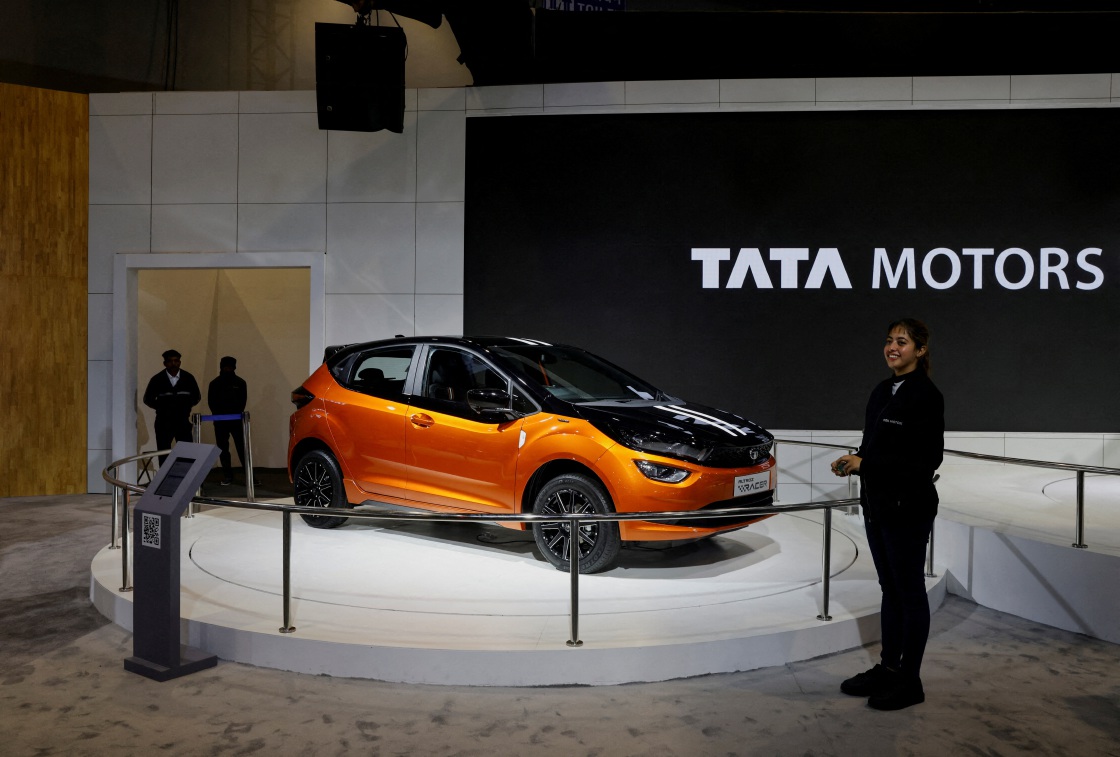
Walk into a growing number of dealerships across South Africa, and you will notice something different. The showroom floors that once leaned heavily towards European badges are now sharing space with names like Geely, Tata Motors, Mahindra, and GWM.
It is not a passing trend. It is a shift in the market, and the numbers are starting to tell a clear story.
Super Group, one of the country’s major dealership operators, says its improved performance for the six months ended 31 December 2025 has been powered in part by the rise of Chinese and Indian car brands. While the broader market has faced pressure, the group’s South African dealerships have significantly outperformed it.
A diversified strategy paying off
In its interim results, Super Group credited its strong South African supply chain and dealership operations for underpinning a robust performance. A key factor has been its early investment in emerging Chinese and Indian manufacturers.
New car sales volumes from these brands jumped by 102 percent compared to the prior period. They now account for 29.7 percent of the group’s total new car sales volumes. That is nearly a third of all new vehicles sold through its dealerships.
The group has steadily expanded its footprint. During the reporting period, it added three Geely dealerships, two Tata Motors and Mahindra dealerships, one GWM dealership, and one Ford dealership. It now operates 28 dealerships representing emerging Chinese and Indian brands.
For many South Africans, the appeal is simple. Value for money matters. As European models have crept further out of reach for the average buyer, competitively priced alternatives from China and India have stepped in to fill the gap.
Revenue and profit on the rise
The impact on the South African dealership division has been clear.
Revenue increased by 12.7 percent to R6 billion, with operating profit reaching R209.2 million. The growth reflects stronger new and used vehicle sales, supported by a broader and more accessible brand portfolio.
Across Super Group’s continuing operations, the picture is similarly positive:
| Metric | Current Period | Comparative Period | Change |
|---|---|---|---|
| Revenue | R22.68 billion | R21.20 billion | +7.0% |
| EBITDA | R1.96 billion | R1.85 billion | +5.9% |
| Operating Profit | R1.10 billion | R1.01 billion | +8.7% |
| Profit Before Tax | R834.0 million | R668.1 million | +24.8% |
| Headline EPS continuing | 155.4 cents | 121.4 cents | +28.0% |
| EPS continuing | 157.5 cents | 124.9 cents | +26.1% |
However, headline earnings and earnings per share for total operations declined when compared to December 2024. That comparison includes profits from the SG Fleet business, which was sold in April 2025 and formed part of the previous year’s figures. In addition, an impairment of AMCO’s carrying value by R382 million weighed on the current period.
Not just a South African story
Interestingly, the momentum is not limited to local showrooms. Super Group’s UK dealerships have also seen an influx of Chinese brands. Following restructuring and consolidation, and with the addition of these manufacturers, the UK business delivered 50.4 percent growth in operating profit.
It suggests that the global automotive landscape is shifting, not just locally.
A new normal for local buyers
On South African roads, the change is already visible. Social media discussions around affordability, after-sales support, and long-term reliability are increasingly centred on Chinese and Indian brands. For many first-time buyers, these vehicles are not seen as second best but as practical, modern alternatives that offer strong features at accessible price points.
There was a time when brand loyalty in South Africa leaned heavily towards Europe and Japan. Today, economic reality is shaping new loyalties.
Super Group’s results highlight how quickly the tide can turn when consumer needs shift. With nearly a third of its new car sales now coming from emerging Chinese and Indian brands, it is clear that these manufacturers are no longer fringe players.
They are becoming central to the country’s automotive future.
Follow Joburg ETC on Facebook, Twitter, TikT
For more News in Johannesburg, visit joburgetc.com
Source: Business Tech
Featured Image: Business Day