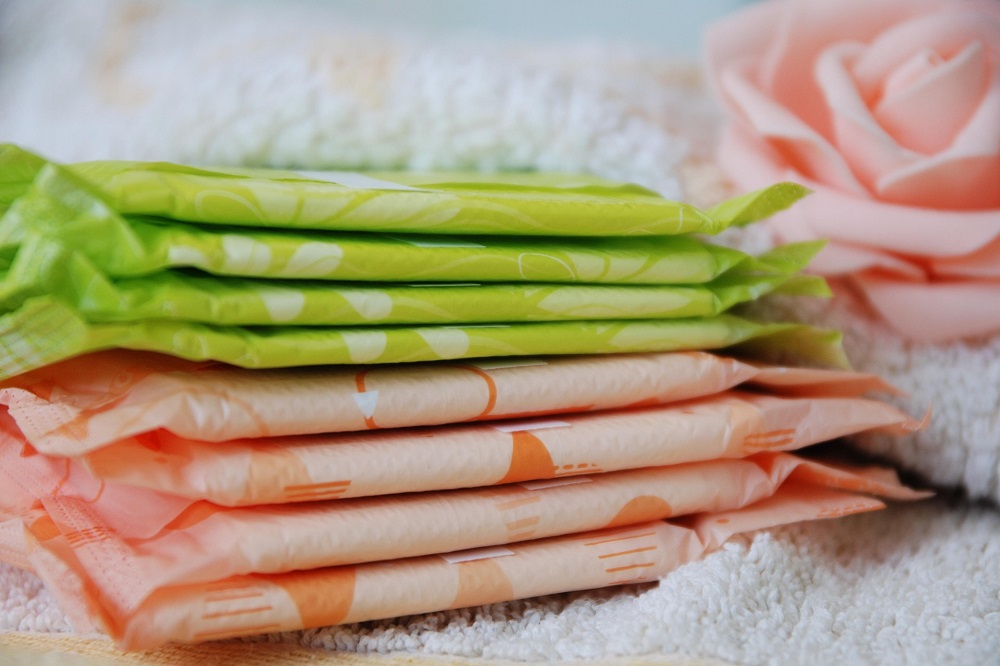
Sanitary pad safety under scrutiny as consumer watchdog probes nine major brands
For millions of South African women and girls, sanitary pads are as routine as bread and milk in the monthly grocery basket. They’re trusted. They’re necessary. They’re rarely questioned.
Now, that trust is being tested.
The National Consumer Commission (NCC) has launched an investigation into nine sanitary pad suppliers following explosive findings from a study conducted by the University of the Free State.
The study suggests that certain sanitary pads and panty liners available in South Africa may contain endocrine-disrupting chemicals (EDCs), including parabens, phthalates and bisphenols.
What are EDCs and why does it matter?
Endocrine-disrupting chemicals interfere with the body’s hormonal system. According to researchers, exposure to these substances has been linked to hormonal imbalances, infertility, endometriosis and even certain cancers.
That is what makes the findings particularly alarming. These are not niche products used occasionally. They are used monthly often for decades by millions of women and girls.
NCC spokesperson Phetho Ntaba confirmed that the commission is now formally investigating nine suppliers whose products were reportedly tested in the study.
The brands under investigation
The suppliers named in the investigation include:
-
Kimberly-Clark of SA (PTY) Ltd (Kotex)
-
Procter & Gamble (PTY) Ltd (Always)
-
Anna Organics
-
The Lion Match Company (PTY) Ltd trading as Comfitex
-
Here We Flo trading as Flo
-
Johnson & Johnson (PTY) Ltd trading as Stay Free
-
Premier Group of Companies trading as Lil-lets
-
Essity Hygiene and Health AB trading as Libresse South Africa
-
My Time
It’s important to note that the investigation is ongoing, and suppliers will have the opportunity to respond before any final determination is made.
What the law says
Ntaba said the NCC’s investigation will assess whether suppliers are complying with the Consumer Protection Act (CPA), specifically sections 55 and 24.
Under the CPA, consumers have the right to goods that are reasonably suitable for their intended purpose, of good quality, and free from defects.
In plain terms: products used on and inside the body should be safe.
The commission will require the companies in question to either conduct tests on the affected products or provide recent laboratory results showing whether EDCs are present.
If the findings warrant it, a product recall could follow.
Acting Commissioner Hardin Ratshisusu described the matter as a “priority investigation”, acknowledging the serious health concerns raised.
Public reaction: shock and anger
News of the investigation spread quickly across social media, with many women expressing shock and anger.
Some questioned why independent research rather than routine regulatory checks had flagged the issue. Others called for greater transparency in product labelling, especially for items marketed as “gentle” or “dermatologically tested”.
There’s also a deeper layer of frustration. Period poverty remains a harsh reality in South Africa, with many schoolgirls still struggling to access basic menstrual products. Government initiatives have worked to distribute free sanitary pads in schools, but quality and safety now enter the conversation.
As one user posted online: “We fight for access, now we must fight for safety too?”
A broader conversation about women’s health
Historically, menstrual health products have not always been subject to the same public scrutiny as food or medicine. Ingredients are rarely front and centre on packaging, and many consumers assume that products sold in major retailers have already passed rigorous safety checks.
This investigation may mark a turning point.
It raises uncomfortable but necessary questions about regulatory oversight, corporate accountability and the long-term health implications of everyday products.
What happens next?
The NCC will review the laboratory evidence it receives from suppliers before deciding whether further action including recalls is required.
For now, there is no blanket recall in place, and no definitive finding that all products contain harmful chemicals. The investigation is still at an early stage.
But one thing is clear: this is no longer just a technical regulatory matter. It’s a public health conversation affecting millions.
And in a country where women’s health issues are often sidelined, this moment could push menstrual product safety firmly into the national spotlight.