Business
Budget 2026: Will Godongwana ease the pressure on South Africans?
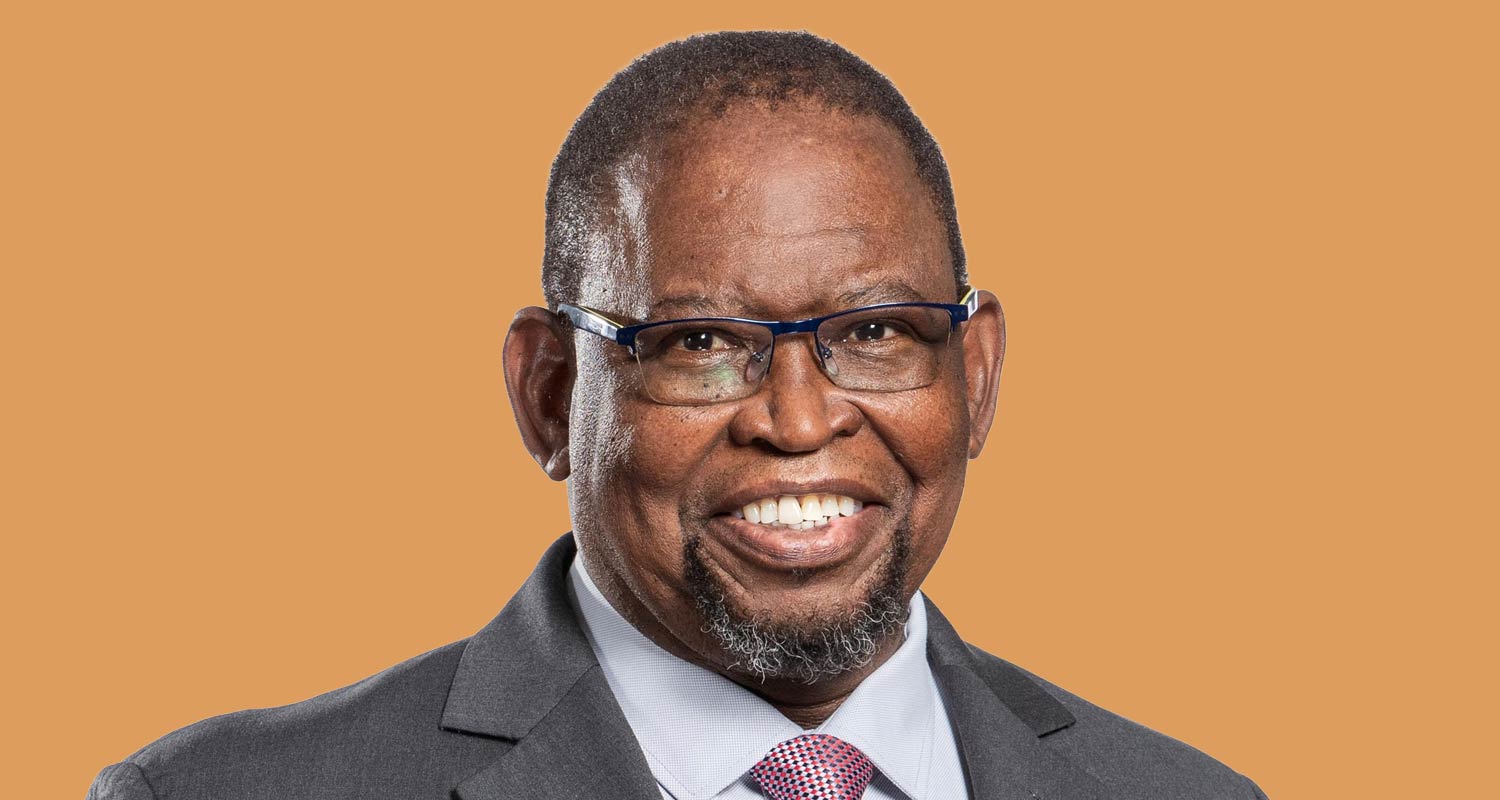
By Wednesday afternoon, living rooms, trading floors, and WhatsApp groups across South Africa will be tuned in for one thing: the 2026 Budget Speech delivered by Finance Minister Enoch Godongwana.
For many, it is not just a policy moment. It is personal.
From grocery bills to school fees, fuel to retirement savings, households are waiting to see how the government plans to steady the ship in a year marked by fragile optimism and ongoing financial strain.
A fragile sense of hope
There have been encouraging signals in recent months. South Africa’s removal from the grey list has boosted confidence. Inflation has shown signs of easing. Unemployment figures have edged lower.
On paper, it feels like a country trying to turn a corner.
But in kitchens and boardrooms across Joburg, the mood remains cautious. The cost of living is still biting. Many salary increases have simply kept pace with rising expenses, not surpassed them. And that is where this year’s budget becomes critical.
Economists expect a strong emphasis on fiscal discipline and efforts to balance the books. The big question is how that balancing act will affect ordinary consumers.
The quiet threat of bracket creep
There is widespread speculation that VAT and personal income tax rates will remain unchanged. On the surface, that sounds like good news.
Yet many financial experts are warning about bracket creep. This happens when tax brackets stay the same while inflation pushes salaries slightly higher in nominal terms. Even if your real buying power has not improved, you could land in a higher tax bracket and pay more tax.
Tando Ngibe, Senior Manager at Budget Insurance, has pointed out that this is a real concern in the current climate. When salary adjustments merely keep up with rising living costs, take-home pay can shrink once higher tax thresholds kick in.
For families already juggling bond repayments, school transport, and medical aid, even a small reduction in disposable income can feel heavy.
Social media chatter in recent days reflects that anxiety. Many South Africans are asking a simple question: if we are not earning more in real terms, why should we be taxed more?
Why infrastructure matters to your grocery bill
Beyond tax tables, infrastructure is emerging as one of the most important themes heading into the speech.
Ngibe has emphasised that infrastructure is not just about cranes and construction sites. It shapes inflation, food prices, fuel costs, and service delivery.
Think about a stable electricity supply. Fewer power disruptions mean fewer production delays. That improves logistics and keeps supply chains moving. When those systems function properly, the cost of essentials such as food, transport, and electricity can remain more manageable.
In a city like Johannesburg, where service delivery frustrations are often front and centre, infrastructure spending is not an abstract policy choice. It is something residents feel every day.
If the government commits meaningfully to infrastructure upgrades, it could ease pressure on households. If not, the financial strain could deepen.
Retirement savings under pressure
Another issue quietly troubling financial planners is the treatment of retirement contributions.
Hayley Parry, Money Coach and Facilitator at 1Life’s Truth About Money, has raised concerns about the caps on retirement contributions and tax-free savings accounts. These limits have remained unchanged since 2016 and 2020, respectively.
In an inflationary environment, static caps lose real value. According to Parry, if the retirement contribution cap had kept pace with inflation, it would be closer to R550,000 today.
That gap matters. It reduces the incentive and ability for individuals to save adequately for retirement, particularly middle-income earners trying to future-proof their finances.
For many South Africans already worried about whether their pensions will stretch far enough, any adjustment or lack thereof in the budget could influence long-term planning decisions well beyond 2026.
A moment that shapes more than a year
Budget speeches often feel technical. Charts, percentages, projections.
But the impact lands in very human ways.
Will groceries become slightly more affordable? Will take-home pay stretch a bit further? Will there be tangible improvements in electricity and transport reliability? Will retirement savings get a fairer shake in an inflationary economy?
As Godongwana steps up to the podium, the country will be listening not just for numbers but for reassurance.
In a time when many households are carefully recalculating every rand, clarity and credible plans could go a long way in restoring confidence.
Follow Joburg ETC on Facebook, Twitter, TikT
For more News in Johannesburg, visit joburgetc.com
Source: IOL
Featured Image: TechCentral