Business
2026 tax brackets adjusted for inflation: What you’ll pay and why it matters
If you have felt like your salary has been running faster just to stand still, you are not alone.
For the past two years, South Africans have watched as tax brackets and medical aid tax credits stayed frozen while inflation kept climbing. Even modest pay increases quietly nudged workers into higher tax brackets, trimming take-home pay without any official tax hike. Many called it ‘stealth tax’. Most simply felt it in their monthly budgets.
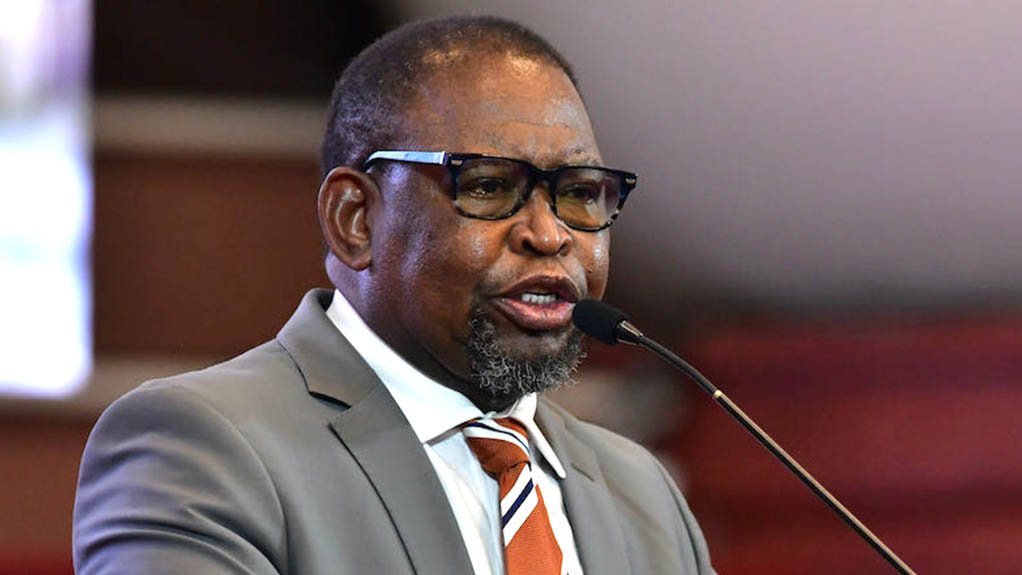
Now, in the 2026 budget, Finance Minister Enoch Godongwana has announced a full inflation adjustment to personal income tax brackets and medical aid tax credits. For millions of taxpayers, that is welcome news.
An end to bracket creep, for now
The adjustment means tax brackets will rise in line with inflation for the 2026 tax year. In simple terms, if you receive an inflation-linked salary increase, you are less likely to be pushed into a higher tax bracket purely because of rising prices.
Over the past two years, frozen brackets effectively increased the tax burden through what economists call bracket creep. When salaries go up, but tax bands stay the same, more of your income gets taxed at a higher rate. The state collects more without changing rates.
This year, that mechanism has been switched off. Tax thresholds, rebates, and medical aid tax credits are all adjusted for inflation.
For working households feeling pressure from school fees, fuel prices, and food costs, this adjustment could mean slightly more breathing room each month.
R20 billion in planned tax hikes scrapped
There is more. The government has also withdrawn the R20 billion in additional tax measures that had previously been pencilled into the medium-term budget plans.
Earlier budget documents had signalled possible tax increases to help stabilise public finances. However, improved revenue performance has changed the picture.
According to the minister, gross tax revenue for 2025 and 2026 has been revised upward by R21.3 billion compared to earlier estimates. Stronger than expected collections from VAT, corporate income tax, and dividends tax have supported this improved outlook.
As a result, the government says it can afford to withdraw the proposed R20 billion in extra tax measures without placing fiscal sustainability at risk.
For taxpayers, that removes the looming fear of new tax burdens in 2026.
A resilient tax system despite slow growth
Godongwana also highlighted that South Africa’s tax system has shown resilience over the past three years, despite sluggish economic growth.
That resilience has largely come from solid compliance, stronger VAT collections, and better-than-expected corporate tax receipts. While growth remains a concern, the revenue side has performed well enough to offer limited relief.
The National Treasury has further indicated that other tax thresholds and limits will be adjusted for inflation. This includes measures aimed at supporting small businesses and encouraging savings.
In a country where small enterprises carry much of the employment burden, even modest adjustments can matter.
What this means for your payslip
The practical impact depends on what you earn.
If your salary rises roughly in line with inflation, the adjustment should prevent you from sliding into a higher tax bracket purely because of price increases. Your effective tax rate is therefore less likely to increase simply due to inflation.
Medical aid tax credits rising with inflation also help households who fund private healthcare, which remains a significant cost for many middle-income families.
It is not a sweeping tax cut. Rates themselves have not been reduced. But after two years of frozen brackets, many taxpayers see this as overdue relief.
On social media, reaction has been cautiously positive. Some welcome the move as fair and necessary. Others argue that relief is modest compared to the broader cost-of-living crisis. Both views can be true.

Image 1: Business Tech
A small reset in a tight economy
South Africa’s economic environment remains tight. Growth is slow, debt levels are high, and public services face funding pressure. Against that backdrop, the decision to forgo additional tax increases signals cautious confidence from Treasury.
For everyday earners in Johannesburg and across the country, the real question is simple: Will I keep more of my money next year?
Thanks to the 2026 inflation adjustments and the withdrawal of the proposed R20 billion in extra tax measures, the answer is yes, at least marginally.
It may not transform your bank balance overnight. But in a climate where every rand counts, even a little relief goes a long way.
Also read: Budget 2026: Will Godongwana ease the pressure on South Africans?
Follow Joburg ETC on Facebook, Twitter, TikT
For more News in Johannesburg, visit joburgetc.com
Source: Business Tech
Featured Image: Engineering News