News
Wits investigates sociology head over ‘poor work ethic’ remarks
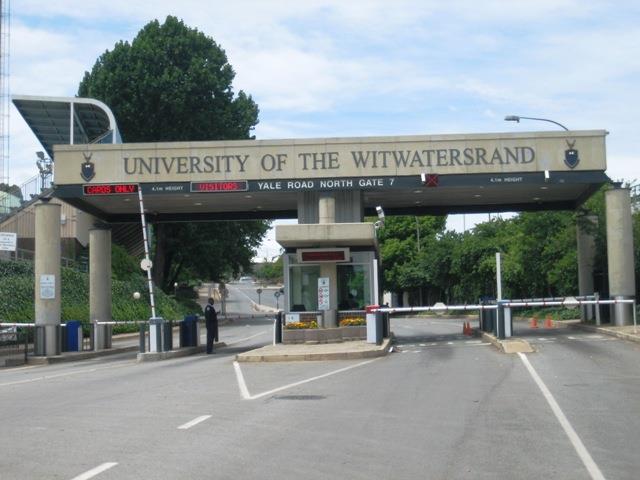
It started with a post on X. Within hours, it had ignited a national debate about identity, dignity and who gets to speak for whom in South Africa’s universities.
Now, the University of the Witwatersrand has confirmed it is investigating Professor Srila Roy, head of its sociology department, after a social media comment in which she criticised South Africans’ work ethic triggered widespread outrage.
The post that set it off
Professor Roy’s now-deleted post described South Africans as having little ambition, being complacent and having a poor work ethic. She made the remarks in response to discussions around the presence of foreign nationals in local universities.
The issue gained traction after concerns were raised by the Portfolio Committee on Higher Education about the percentage of foreign nationals employed in South African universities, which currently stands at 7.7 percent.
In an online exchange, another user argued that international staff contribute significantly to research output and global rankings. Professor Roy publicly agreed, before adding the comment that has since drawn condemnation.
Her personal X account has since been deactivated.
Parliament weighs in
The response from lawmakers was swift. Tebogo Letsie, chairperson of the Portfolio Committee on Higher Education and Training, described the remarks as deeply offensive, insulting and unacceptable.
Letsie expressed disappointment that someone leading a sociology department could make statements that appear to undermine the dignity and potential of the very people universities are meant to serve. He urged Wits senior management to urgently investigate and take appropriate action, stressing that discriminatory and degrading attitudes have no place in post school education.
In a country still grappling with inequality and the long shadow of apartheid, comments about work ethic are never neutral. They land in a space already charged with debates around transformation, opportunity and belonging.
SASA calls for action
The South African Sociological Association also entered the fray. In a statement this week, SASA labelled the remarks problematic, classist, racist and xenophobic.
The association criticised the deletion of the post without a public apology, suggesting it appeared to be an attempt at damage control rather than genuine accountability.
SASA has called for Professor Roy’s withdrawal and suspension from the Wits Local Organising Committee and urged the university to resolve the matter institutionally.
Wits confirms HR processes
Wits has confirmed that an internal process is underway. Communications head Shirona Patel stated that human resources procedures have commenced and that the matter is being addressed in line with university rules, policies and anti-discrimination frameworks.
Importantly, the university clarified that expressing views in a personal capacity does not exempt staff from institutional policies. In other words, what is posted online can still have professional consequences.
A broader conversation
This controversy is about more than one post. It has reopened ongoing debates about transformation in higher education, foreign academics in local institutions and how South Africans see themselves in a challenging economic climate.
South Africa’s universities rely on global collaboration. International academics contribute to research, rankings and knowledge exchange. At the same time, questions around employment equity and local opportunity remain politically and socially sensitive.
On social media, reactions have been sharply divided. Some users defended the value of foreign academics, while others argued that sweeping generalisations about South Africans are unfair and damaging.
In a nation that has long wrestled with xenophobia, unemployment and inequality, the language used by academic leaders carries weight.
For now, the outcome rests with Wits’ internal investigation. What is certain is that the incident has forced uncomfortable but necessary conversations about respect, responsibility and the role of public intellectuals in a deeply unequal society.
Follow Joburg ETC on Facebook, Twitter, TikT
For more News in Johannesburg, visit joburgetc.com
Source: The Citizen
Featured Image: Oudtshoorn Courant