News
‘Education Is a Public Good’: KZN MEC Pushes for Total Exemption of Schools from Property Rates
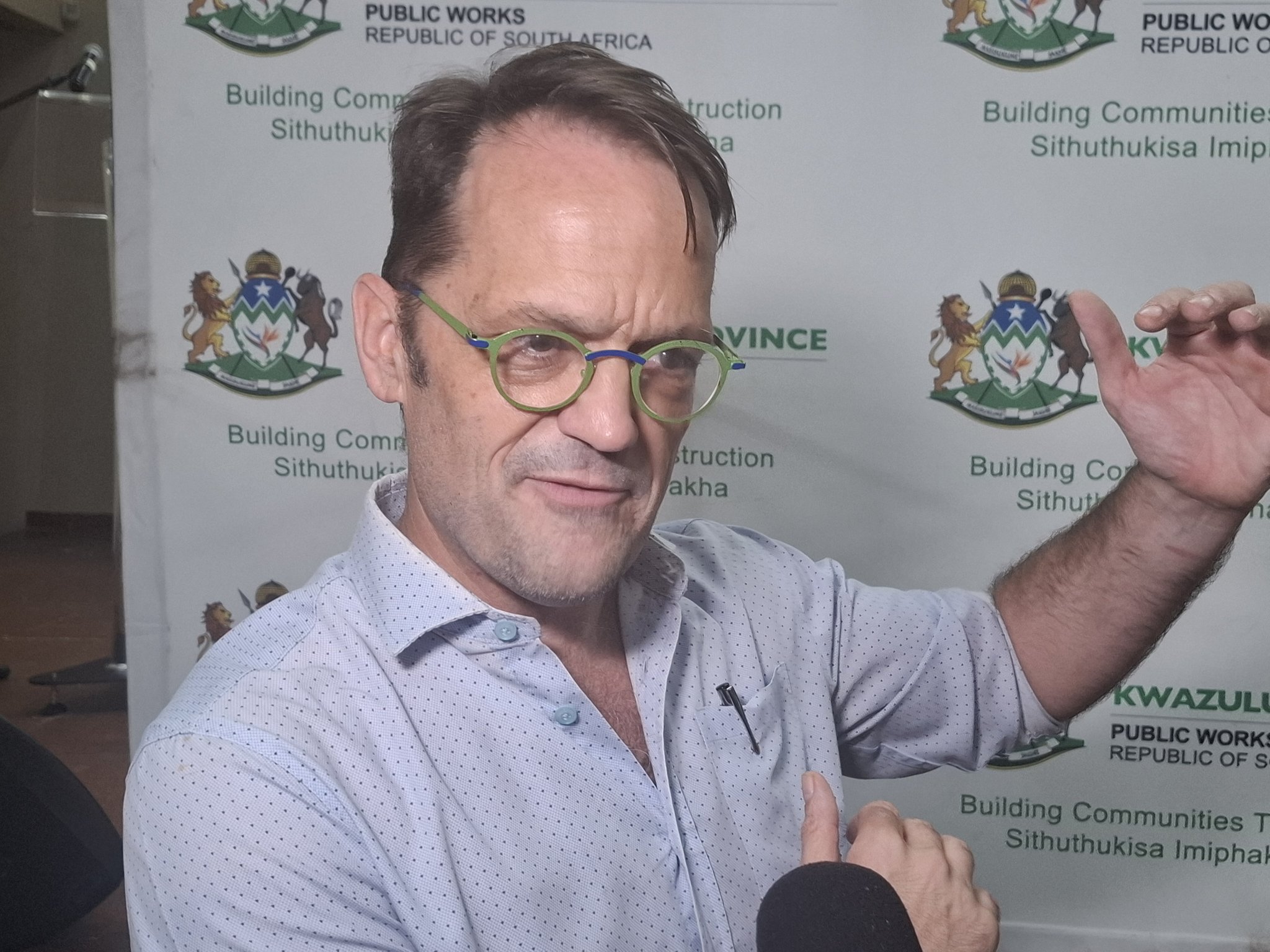
KwaZulu-Natal Public Works and Infrastructure MEC Martin Meyer is ramping up his campaign to exempt public schools from paying property rates, arguing that charging them on commercial terms is fundamentally wrongand expensive.
Meyer will soon meet with the Cooperative Governance and Traditional Affairs Department (CoGTA) and the South African Local Government Association (SALGA) to finalise discussions on the matter, following an initial presentation to SALGA a few weeks ago.
The Campaign
Speaking to residents of Phoenix, north of Durban, on Tuesday evening, Meyer reported that his campaign to free schools from the burden of property taxes is making progress.
He argued that it was not a good idea in the first place to bill public schools on commercial rates, let alone billing them at all, since education is a public good.
The Phoenix public engagement was the first of a series of meetings where the department will report back to communities on its activities and hear their concerns.
The Numbers
Meyer told the community that his department would save around R300 million if schools were exempted from paying rates.
Initially, the campaign focused on converting commercial rates to residential rates for schools. However, Meyer is now pushing for total exemption.
“We are happy to report that we have made good progress in this, and we have already met SALGA, which supported our call. In a few days to come, we will meet CoGTA and SALGA to finalise the issue, so we are hoping that in a month or two we will reach an agreement,” said Meyer.
The Context
There has been growing outcry over the government’s decision to allow municipalities to charge public schools commercial ratesespecially since schools do not make a profit. The burden falls hardest on no-fee schools, which already struggle with limited resources.
The Expert Warning
However, University of KwaZulu-Natal-based local government expert, Professor Sivanarain Reddy, sounded a cautionary note.
While exempting schools from property taxes is an ideal solution, Reddy warned that it would cripple municipalities financially, as they heavily rely on property rates for their revenue.
“70% of the municipalities’ revenue collection comes from property taxes, so exempting schools from paying for those taxes would lead to the dysfunctionality of many municipalities,” Reddy said.
He proposed a compromise: zero-rating poor schools from indigent communities, with the cost cross-subsidised by National Treasury.
“The best solution would be for the national government to fund that decision, like it did when declaring poor schools no-fee-paying,” said Reddy.
The Bottom Line
Meyer’s push is popular with schools and communities. R300 million is a significant saving for the education budget. And the principlethat public goods should not be taxed as if they were profit-making enterprisesis hard to argue with.
But the fiscal reality is equally hard to ignore. Municipalities need revenue to function. If schools stop paying, someone else must cover the shortfall.
The coming meetings with CoGTA and SALGA will determine whether the proposal moves forwardand if so, who ultimately pays the bill.
{Source: IOL}
Follow Joburg ETC on Facebook, Twitter , TikTok and Instagram
For more News in Johannesburg, visit joburgetc.com