News
South Africa Braces For Another Diesel Shock As R10 Increase Looms
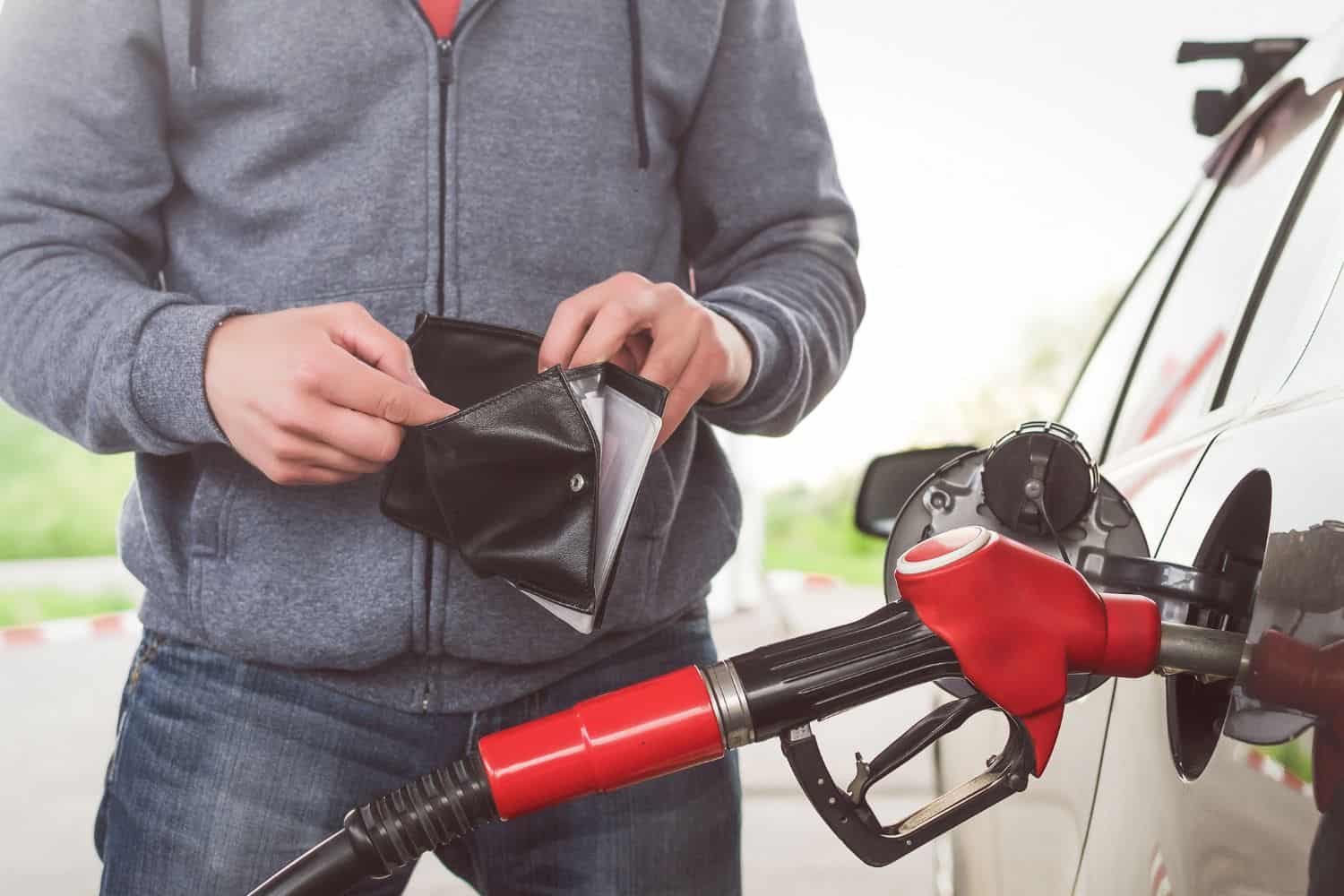
Just weeks after South Africans absorbed one of the steepest fuel hikes in recent memory, another blow could be on the horizon.
Early indicators suggest that May could bring an even harsher reality at the pumps, especially for diesel users. And if global tensions continue to simmer, things may get worse before they get better.
Why Diesel Prices Are Climbing Again
Fresh data from the Central Energy Fund paints a worrying picture. Diesel prices could jump by more than R10 per litre in May, on top of the already painful increases introduced at the start of April.
Petrol users are not off the hook either. Current projections show a possible increase of around R3 per litre, which would still add significant pressure to household budgets.
At the heart of the crisis is the global oil market. Brent crude has surged to around $111 a barrel, a sharp jump from the $94 average that influenced April’s pricing.
This spike is closely tied to rising tensions in the Middle East, particularly around the Strait of Hormuz, one of the world’s most critical oil routes.
The Strait Of Hormuz Tension Explained
The Strait of Hormuz is not just another shipping lane. It is a lifeline for global oil supply, with a significant portion of the world’s crude passing through it daily.
Recent threats from Donald Trump toward Iran have escalated fears of disruption. The US president warned of severe military consequences if Iran failed to reopen the route.
Iran, however, has reportedly rejected ceasefire proposals and is pushing for broader conditions, including an end to regional conflicts and sanctions relief.
For countries like South Africa, which rely heavily on imported fuel, any instability in that corridor quickly translates into higher prices at home.
What This Means For South Africans
The timing could not be worse. April already saw record increases, with 95 Unleaded petrol now sitting above R22 per litre at the coast and even higher inland. Diesel prices have also surged past R25 per litre in many areas.
A further jump in May would ripple far beyond the fuel pump. Diesel powers trucks, generators, farms, and much of the country’s logistics network.
That means higher transport costs, rising food prices, and increased pressure on small businesses that are already navigating load shedding and economic strain.
The Hidden Factor Pushing Prices Up
There is another layer to the story that many motorists overlook.
South Africa’s fuel pricing system includes something called the Slate Levy, a mechanism designed to balance out under-recoveries and over-recoveries in fuel pricing.
Because fuel prices are only adjusted once a month while oil prices fluctuate daily, this levy helps oil companies recover losses. But when global prices spike rapidly, it can add even more upward pressure.
Is There Any Relief In Sight
There is still some uncertainty. Early month data often shifts as the weeks go by, and a stabilisation in oil prices could soften the final increase.
But that depends heavily on geopolitical developments. If tensions in the Middle East ease and oil supply routes remain open, the damage may be limited.
If not, South Africans may need to prepare for another round of painful price adjustments in May.
For now, the message is clear. What happens thousands of kilometres away in the Strait of Hormuz is already being felt at local petrol stations, and the ripple effect is far from over.
{Source:IOL}
Follow Joburg ETC on Facebook, Twitter , TikTok and Instagram
For more News in Johannesburg, visit joburgetc.com