
Business
Fuel prices surge across Africa as global shocks hit daily life
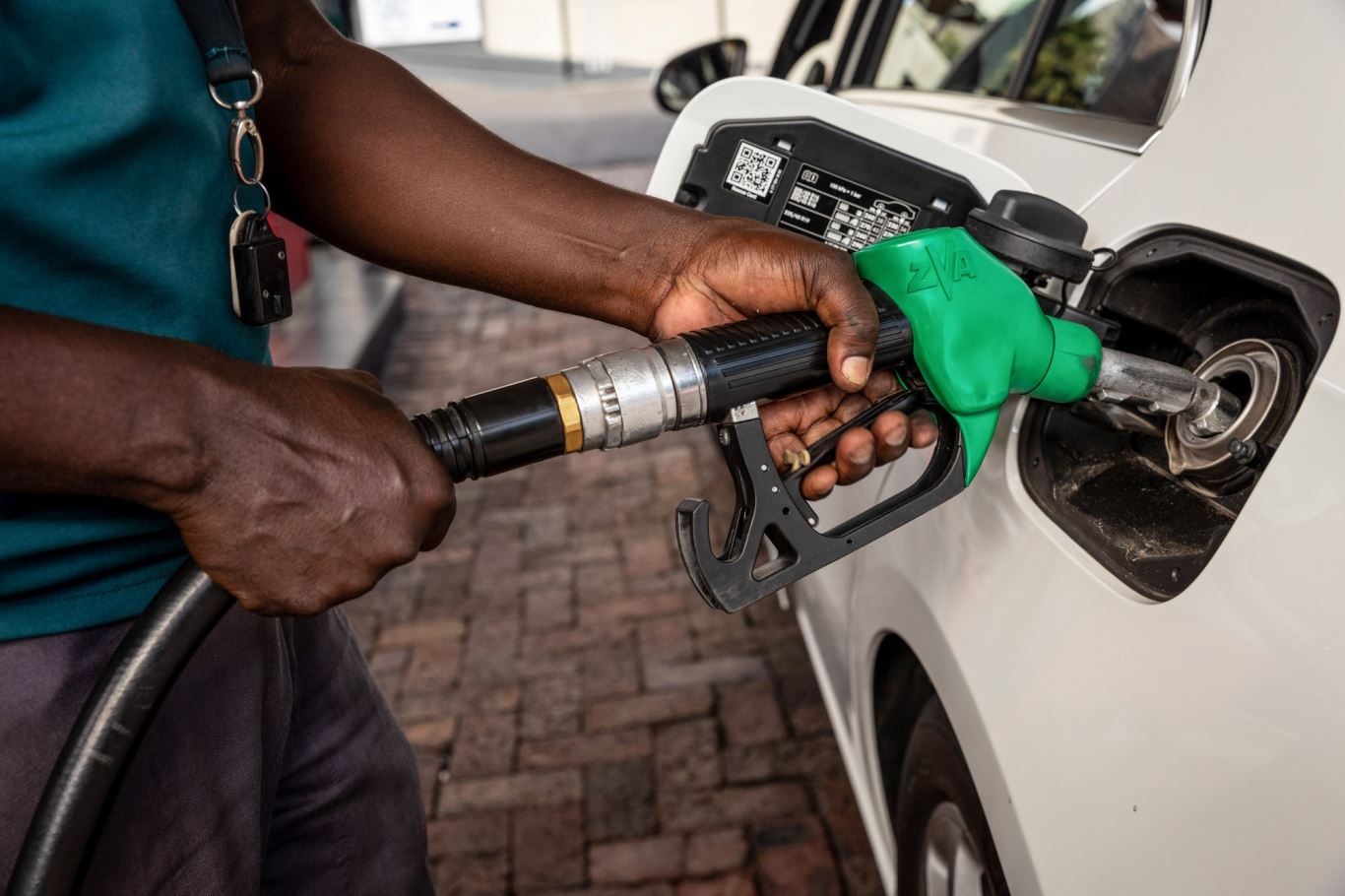
On any given morning in South Africa, the signs are subtle but impossible to ignore. Taxi fares creep up. Grocery totals feel heavier. A simple commute starts costing just that little bit more. Behind it all is a familiar culprit, fuel, but this time the pressure is coming from far beyond South Africa’s borders.
Across the continent, rising fuel prices are quietly reshaping daily life, and experts say the ripple effects are only just beginning.
A global shock with local consequences
The latest surge in fuel costs is tied to a much bigger global picture. Disruptions to one of the world’s key energy routes, the Strait of Hormuz, have pushed oil prices higher, sending shockwaves through international supply chains.
For many African economies, this kind of disruption hits especially hard. The continent still relies heavily on imported fuel and goods, which means any global instability quickly shows up at the pump, and then everywhere else.
Bertha Chikadza, President of the Economic Association of Malawi, has warned that Africa’s dependence on external supply chains leaves countries exposed. Even though there has been ongoing talk about reducing reliance on global markets, the infrastructure needed to support that shift is still lacking in many regions.
From petrol pumps to dinner tables
The real impact is not just theoretical. In countries like Malawi, rising fuel costs are already translating into higher transport fares and more expensive food.
It is a pattern many South Africans know well. When fuel goes up, everything follows. Delivery costs increase, farmers pay more to move produce, and retailers pass those costs on to consumers.
For households already managing tight budgets, it becomes a daily balancing act. Do you drive less, spend less, or simply absorb the increase? For many, there is no easy answer.
A continent under pressure
Recent warnings from major institutions paint an even bigger picture. Analysts have flagged that ongoing instability in the Middle East could push living costs higher across Africa, slowing economic growth in the process.
Disruptions to shipping routes, energy supplies, and even fertiliser imports could intensify existing trade challenges. The result is a chain reaction. Higher fuel prices lead to higher food costs, increased transport fees, and rising insurance expenses for goods moving across borders.
In simple terms, it is not just about petrol anymore. It is about the entire cost of living.
The infrastructure gap holding Africa back
One of the biggest concerns raised by industry leaders is the lack of long-term energy security on the continent.
In Tanzania, for example, plans are underway to build fuel storage depots, highlighting a wider issue. Many African countries do not have strategic petroleum reserves to cushion against global shocks.
Without that buffer, even a temporary disruption can have lasting effects. Prices rise quickly, and there is little protection for consumers or businesses.
A push for regional solutions
There is growing agreement among experts that Africa needs to look inward for solutions.
Stronger regional trade and deeper economic integration are increasingly seen as essential steps. By trading more within the continent and building local supply chains, countries could reduce their vulnerability to global disruptions.
It is not a quick fix. Building infrastructure, strengthening partnerships, and shifting trade patterns takes time. But the current crisis is forcing a more urgent conversation.
What people are saying
Across social media, the frustration is already visible. Conversations about petrol prices are trending again, with many users pointing out how quickly everyday costs are rising.
Some are calling for government intervention, while others are questioning why Africa remains so exposed to global shocks despite years of discussion around economic independence.
It is a familiar cycle, but this time the stakes feel higher.
The bigger picture
What is unfolding now is more than just another fuel price hike. It is a reminder of how interconnected the global economy has become and how unevenly those connections are felt.
For Africa, the challenge is not only to manage the current pressure but also to rethink how the continent positions itself in a world where disruptions are becoming more frequent.
For now, though, the reality is closer to home. It is in the price of a taxi ride, the cost of a loaf of bread, and the quiet recalculations happening in households across the continent every day.
Follow Joburg ETC on Facebook, Twitter, TikT
For more News in Johannesburg, visit joburgetc.com
Source: IOL
Featured Image: Arrive Alive


