Trump’s latest tariff warning raises global tensions after fragile Iran ceasefire
A ceasefire… and then a warning shot
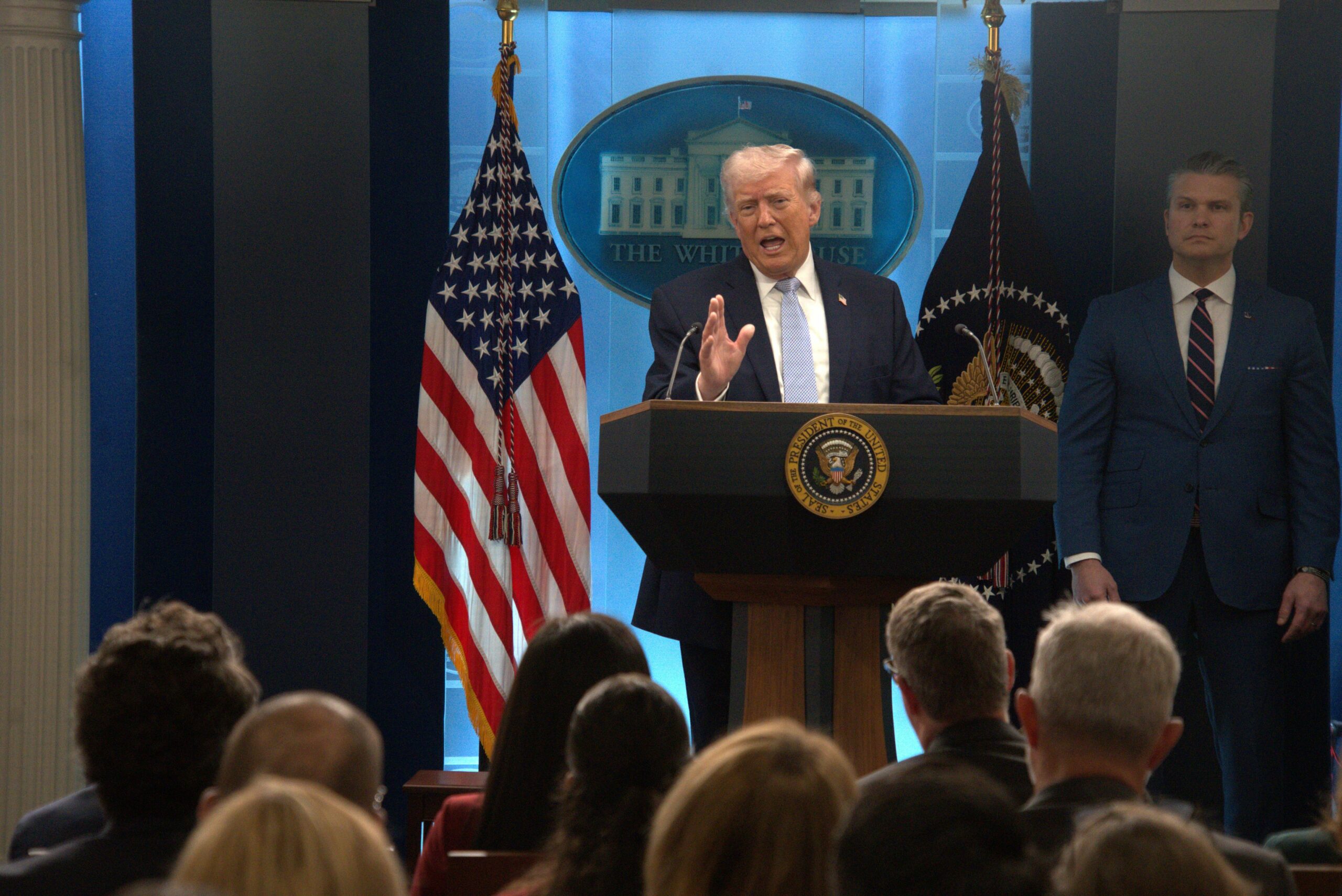
Just hours after agreeing to a temporary ceasefire with Iran, Donald Trump shifted gears and tone.
Instead of de-escalation, the message that followed felt more like a warning to the rest of the world.
In a strongly worded post, Trump declared that any country supplying military weapons to Iran would face immediate 50% tariffs on all goods entering the United States. No carve-outs. No exceptions.
It was classic Trump: economic pressure used as a geopolitical weapon.
Who is this really aimed at?
While no country was named outright, the signal was loud and clear.
The spotlight quickly turned to China and Russia both long accused by Washington of helping Iran strengthen its military capabilities.
Over the years, the two nations have been linked to supplying everything from missile systems to air defence technology and dual-use equipment. Both governments, however, have repeatedly denied recent involvement.
Still, analysts say the warning wasn’t subtle.
Josh Lipsky from the Atlantic Council summed it up bluntly: this is a message Beijing will take personally.
A familiar tactic, but with new limits
Tariffs have always been one of Trump’s go-to tools in foreign policy. From trade wars to diplomatic standoffs, he’s consistently leaned on economic penalties to force outcomes.
But this time, things aren’t quite the same.
Earlier this year, the US Supreme Court dealt a blow to his strategy by ruling that one of his broadest tariff powers under the International Emergency Economic Powers Act was незаконно applied.
In simple terms: Trump still has tariff tools, but fewer shortcuts.
That means any new wave of tariffs may need to be more targeted, slower to implement, and legally airtight.
The balancing act with China
Here’s where things get complicated.
Despite the tough talk, the US is walking a tightrope with China. Trade ties between the two remain deeply intertwined, especially when it comes to critical resources like rare-earth minerals essential for everything from smartphones to electric vehicles.
Officials have already hinted that Washington wants to avoid a full-blown economic clash, particularly with a potential high-level meeting between Trump and Chinese President Xi Jinping on the horizon.
In other words, the warning may be strong but whether it turns into action is another story.
Russia, sanctions, and shrinking trade
As for Russia, the economic landscape has already shifted dramatically.
Since the Russian invasion of Ukraine, US imports from Russia have dropped significantly due to sanctions. What trade remains is mostly focused on niche but important materials like palladium and nuclear-related products.
Even there, more restrictions are being considered, adding another layer to an already strained relationship.
Social media reaction: “Is this another trade war?”
Online, reactions have been swift and divided.
Some users praised the move as a strong stance against military support for Iran. Others questioned the timing pointing out the contradiction between announcing a ceasefire and escalating economic threats within the same day.
On X (formerly Twitter), one trending sentiment captured the confusion: “Are we de-escalating or starting a new trade war?”
For many, it feels like déjà vu a return to the unpredictable, high-stakes diplomacy that defined previous years.
The bigger picture: economics as a weapon
What stands out in this moment isn’t just the policy it’s the strategy behind it.
Trump’s warning highlights a growing global reality: economic tools are no longer just about trade. They’re part of modern warfare, used to influence conflicts without firing a shot.
By targeting countries that might support Iran, the US is effectively trying to cut off military supply lines through financial pressure.
Whether it works is another question entirely.
Final word: a fragile moment in global politics
Right now, the world is sitting in a delicate space.
There’s a ceasefire in place with Iran but also a fresh threat that could ripple through global trade and diplomacy.
If the tariffs are enforced, tensions with China and Russia could escalate quickly. If they’re not, the warning risks being seen as political theatre.
Either way, one thing is clear: this isn’t just about tariffs.
It’s about power, influence, and how far countries are willing to go to shape the outcome of conflicts far beyond their borders.