News
Kubayi moves to strengthen whistle-blower protection in South Africa
For years, speaking out in South Africa has come with a quiet risk. From corporate insiders to public servants, whistle-blowers have often found themselves exposed, unsupported, and, in some cases, targeted. Now, the government says it wants to change that narrative.
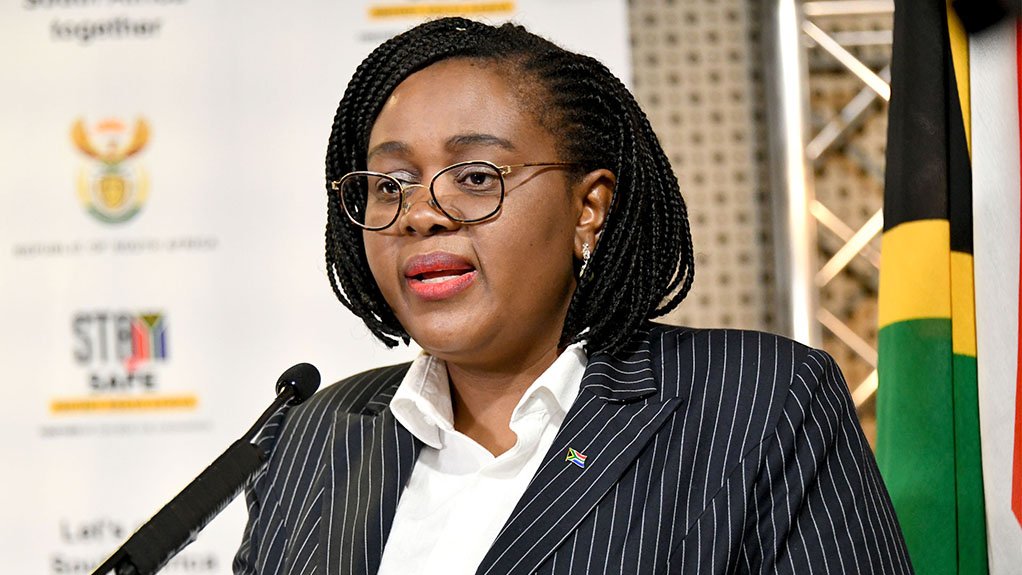
On Thursday, Justice Minister Mmamoloko Kubayi is set to officially release the Protected Disclosure Bill, a proposed update that aims to give stronger legal backing to those who report wrongdoing.
At its core, the bill is about one thing: making it safer to tell the truth.
Why this bill matters now
South Africans are no strangers to the fallout of corruption. The Zondo Commission laid bare just how deep the problem runs, but it also revealed something else. Many people knew what was happening long before it became public, yet the system did not protect them well enough when they tried to speak out.
The current law, the Protected Disclosures Act of 2000, was meant to shield whistle-blowers. In reality, it has often fallen short. The Commission pointed to unclear processes, weak protections, and a lack of meaningful support for those who come forward.
That gap has had real consequences. Whistle-blowers have faced job losses, intimidation, and in some cases, serious threats to their safety.
What’s changing under the new bill
According to the Department of Justice, the new bill is designed to tighten those weak points.
The proposed changes aim to strengthen protections for individuals reporting unlawful or irregular conduct across both public and private sectors. More importantly, it introduces clearer processes, stronger safeguards against retaliation, and additional support measures.
The government says the bill also draws from international best practices, suggesting a more modern approach that reflects how other countries are tackling whistle-blower protection.
There is also a shift in tone. Instead of simply allowing disclosures, the bill signals a more proactive stance by recognising the importance of whistle-blowers in maintaining accountability.
A country still shaped by silence and courage
In South Africa, whistle-blowers are often seen as both heroes and cautionary tales. Social media reactions over the years have reflected this tension. While many South Africans praise those who expose corruption, there is also a shared awareness of the personal cost that often follows.
That dual reality is part of what makes this bill significant. It is not just a legal update. It is an attempt to rebuild trust in a system that has, at times, failed those who tried to do the right thing.
If implemented effectively, it could encourage more people to come forward without fear, something experts say is essential in tackling corruption at its roots.
The bigger picture
This move comes at a time when public accountability remains a major concern across the country. From municipal mismanagement to corporate scandals, the need for transparency continues to dominate national conversations.
Strengthening whistle-blower protections is one piece of that puzzle. It will not solve corruption on its own, but it could make it harder for wrongdoing to stay hidden.
For many South Africans, the real question is not whether the law will change, but whether it will be enforced in a way that genuinely protects people.
For now, the release of the Protected Disclosure Bill marks a step forward, one that acknowledges the risks whistle-blowers face and the role they play in keeping institutions honest.
Follow Joburg ETC on Facebook, Twitter, TikT
For more News in Johannesburg, visit joburgetc.com
Source: IOL
Featured Image: Polity.org.za