Let us be clear from the outset: this is not just a budget. This is a political document. It tells you, without saying it directly, who matters in Cape Townand who does not.
The City of Cape Town’s 2026/27 budget presents itself as record-breaking, future-focused, and infrastructure-led. On paper, it is impressive. Over a three-year period, the City plans to spend approximately R40 billion on infrastructure , with about R14.3 billion allocated in 2026/27 alone.
But budgets are not judged by what they promise. They are judged by what they deliverand more importantly, by who benefits.
1. The Illusion of Scale: Big Numbers, Small Impact
The DA-led City will tell you: this is the biggest budget in Cape Town’s history. That is technically true.
But scale without delivery is not transformation; it is theatre.
By November 2025, the City had spent only R3.8 billion of its R13.5 billion capital budget. National Treasury has already raised alarm: metrosincluding Cape Townhad spent just 31.5% of infrastructure budgets by mid-year.
Clinics not built. Housing projects delayed. Roads incomplete. Water infrastructure postponed.
This is the central contradiction of the DA’s Cape Town: a city that has moneybut cannot convert it into justice.
2. The Hidden Budget: Annexures as a Political Weapon
The 2026/27 budget is not one document. It is a maze.
Dozens of annexures39 actual. Thousands of pages. Technical schedules. Financial tables.
This is not transparency. This is information overload as concealment.
Even informed citizens struggle to trace where money is actually going, which projects are delayed or cancelled, and which contractors are paid. When ordinary Capetonians cannot understand the budget, they cannot challenge it.
3. The Tariff Trap: You Pay MoreEven When They Say You Don’t
The City claims relief through adjustments to property rates. But in reality: property valuations have increased sharply, fixed charges and tariffs have expanded, and overall household costs are rising.
In effect, the City is collecting nearly R1 billion more , even while telling residents they are paying less.
For working-class and middle-class families, the result is the same: your municipal bill goes upevery yearfaster than your income.
4. The Housing Crisis: Underspending in a City of Desperation
Nothing exposes the failure of this budget more than housing.
Cape Town is facing massive informal settlement growth, long waiting lists for housing, rising property prices and displacement.
Yet, year after year, we see underspending on housing and human settlements. Hundreds of millions in housing funds unspent or reallocated. Projects delayed or stalled. At one point, over R1 billion in housing funding was not spent.
In a city where people are living in shacks, backyard rooms, and overcrowded flats, money meant to house them was simply not used. That is not inefficiency. That is a moral failure.
5. The MyCiTi Scandal: Infrastructure Without Accountability
Cape Town’s flagship transport systemMyCiTiwas supposed to be a model of modern urban mobility. Instead, it has become a case study in cost overruns, delays, contractor disputes, and violence linked to tender battles.
Billions have been spent. Yet routes remain incomplete, integration with taxis remains unresolved, and working-class commuters still rely on unsafe, unreliable alternatives.
6. The Safety Illusion: Policing Without Social Investment
While money flows into Metro Police, surveillance systems, and enforcement units, there is insufficient investment in youth development, job creation, social infrastructure, and community-led safety.
Safety cannot be built through enforcement alone.
7. The Spatial Reality: A City Still Divided
The DA’s Cape Town has mastered selective excellence. Some areas have world-class infrastructure, reliable services, and high investment. Other areas have chronic backlogs, informal settlements, and poor service delivery.
This is a continuation of apartheid spatial logicdressed in the language of efficiency and investment.
8. The Accountability Crisis: Where MPAC Comes In
Key MPAC discussions are held behind closed doors. Irregular and wasteful expenditure registers are treated as confidential. Recovery of lost money is hidden from the public.
When the receipts are hidden, corruption, inefficiency, and mismanagement can thrive.
9. The Political Truth: This Budget Is WorkingFor Some
This budget is not failing. It is succeedingfor those it was designed to serve: property investors, high-income areas, elite infrastructure zones, private sector partners.
But for the majority of Capetonians, costs are rising, services are uneven, and opportunities are limited.
10. The Way Forward: Reclaiming the Budget
Capetonians must demand:
-
Radical Transparency Open MPAC, publish full expenditure breakdowns, track every rand
-
Delivery Accountability No more underspending, delayed projects, or excuses
-
Pro-Poor Reprioritisation Housing first, basic services first, communities first
-
Honest Budgeting No hidden tariff increases, no misleading narratives, no political spin
Final Reflection: A City at a Crossroads
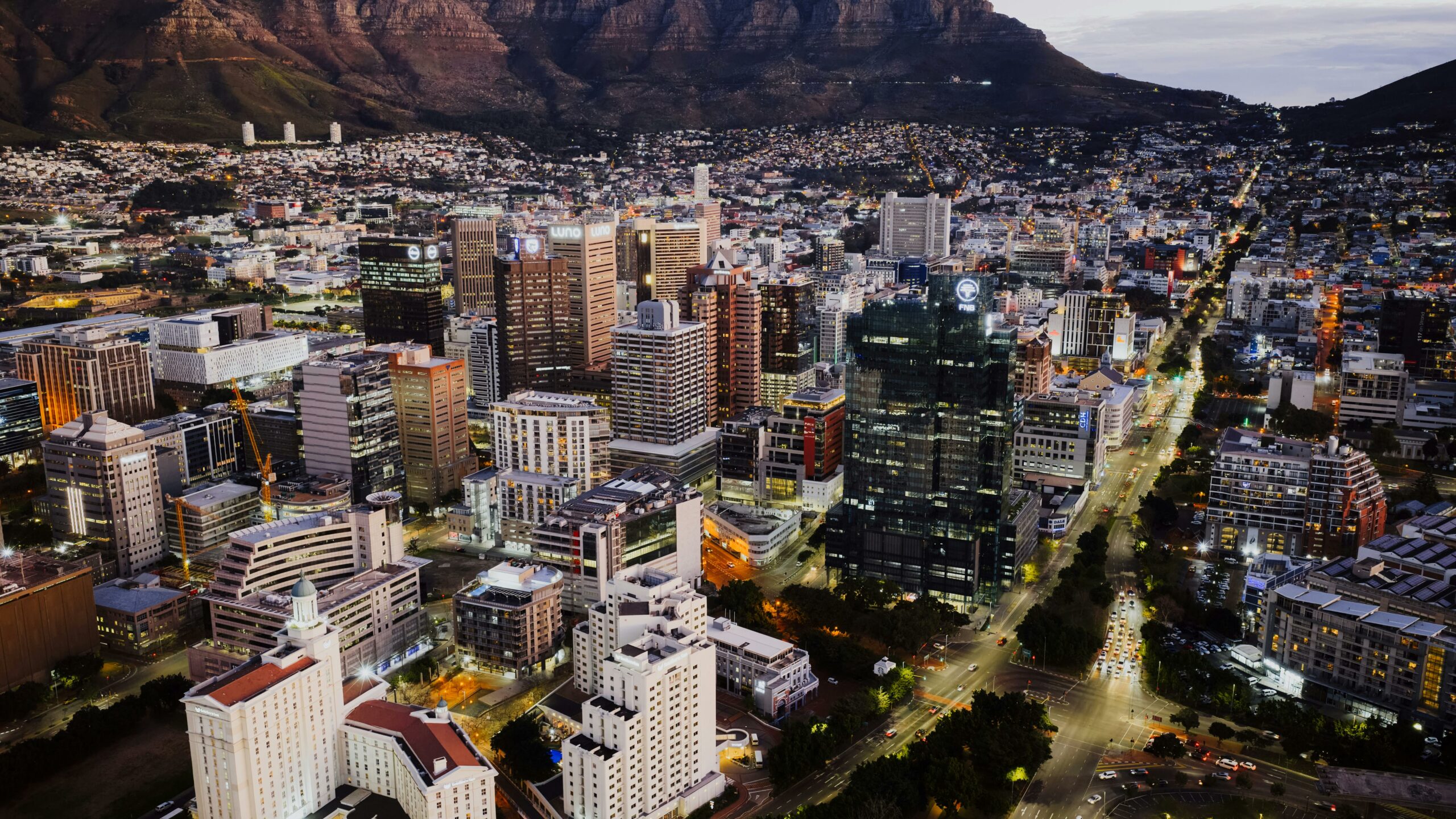
Cape Town is one of the most beautiful cities in the world. But it is also one of the most unequal.
This budget does not close that gap. It manages it. It sustains it. In some cases, it deepens it.
The question is not whether Cape Town has money. The question is: who does that money serve?
Until that question is answered honestly, this city will remain what it has always been: a city split in two.