Best of Johannesburg
3 days in Johannesburg: Your 2026 guide to culture, history, and safari
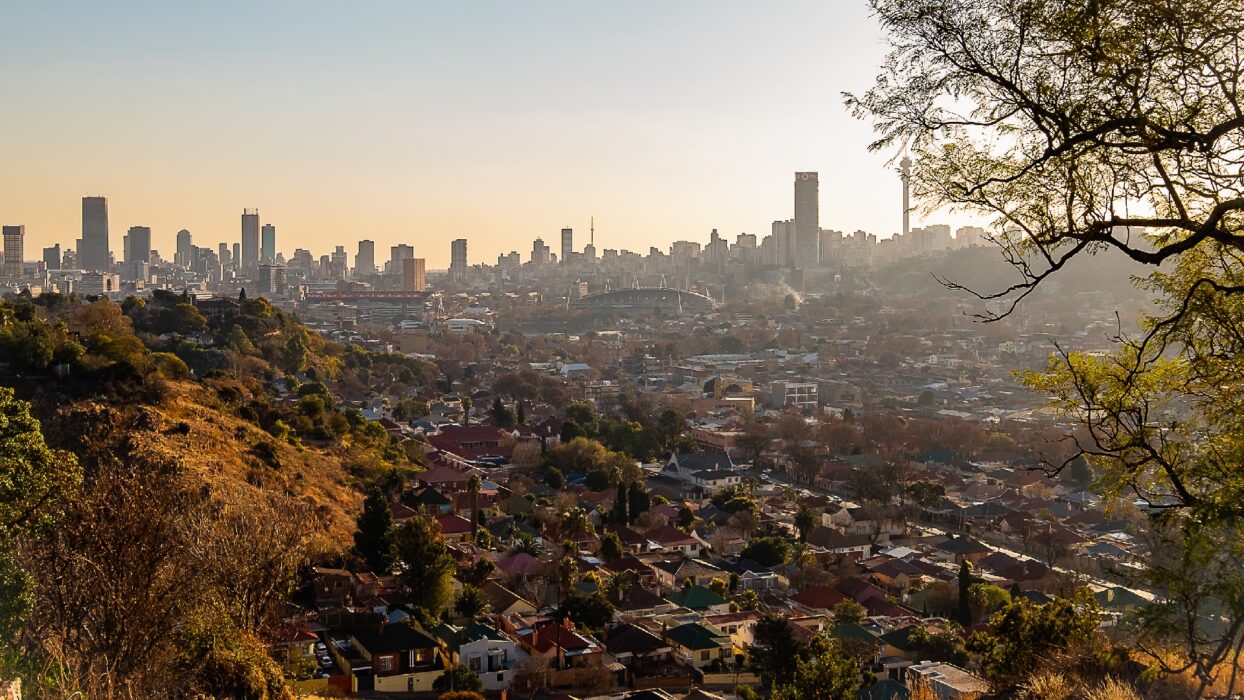
Johannesburg is not a city you skim through. It is a place that asks you to slow down and listen carefully and then rewards you with layers of history, energy, and reinvention. If you only have three days, you can still get a powerful sense of what makes Joburg tick. You just need the right rhythm.
This itinerary balances the heavy with the hopeful, the past with the present, and the city with the wild just beyond it.
Also read: Best things to do on a rainy day in Johannesburg in 2026
Day 1: Where the story begins
Your first day in Joburg should start with context. Without it, the rest of the city feels like fragments.
Begin at the Apartheid Museum. Give yourself time here. This is not a quick walk-through. Give yourself a few hours to move through the exhibits properly, which trace South Africa’s journey through segregation, resistance, and democracy. It is emotional, detailed, and essential.
From there, shift gears and head into the inner city’s most creative pocket, Maboneng. Once a neglected industrial area, it has become one of Joburg’s most talked-about urban regeneration stories. Locals often describe it as a symbol of what the city could be when investment meets imagination.
Grab lunch at one of the cafés, then wander. Arts on Main remains a highlight, alongside street art, design stores, and small galleries. On weekends, the precinct is especially busy, with markets, cafés, and a steady flow of visitors.
As the day winds down, take in the skyline. A rooftop dinner or a city-view stop, such as the Carlton Centre, through a guided visit gives you a full sense of Johannesburg’s scale. It is the kind of moment that makes everything you saw earlier settle into perspective.
Day 2: Soweto, stories, and lived history
If Day 1 gives you context, Day 2 gives you connection.
Soweto is not just a place on the map. It is a living archive of South Africa’s struggle and resilience. A guided tour is the best way to understand it properly.
Start on Vilakazi Street, famously the only street in the world to have been home to two Nobel Peace Prize winners, Nelson Mandela and Desmond Tutu. Mandela House is now a museum, offering a personal look into his life.
A short distance away is the Hector Pieterson Memorial and Museum, which tells the story of the 1976 Soweto uprising. For many visitors, this is one of the most moving parts of the entire trip.
Lunch on Vilakazi Street is more than just a meal. It is a chance to experience township hospitality and flavours that define local food culture. Expect hearty dishes and a warm, social atmosphere.
In the afternoon, you can explore more of Soweto by bicycle or visit Kliptown, where the Freedom Charter was adopted. The Soweto Towers remain one of the township’s most recognisable visual landmarks, drawing visitors for photos and a sense of the area’s character.
End your day in Sandton, where Joburg’s polished side comes into view. Nelson Mandela Square is a favourite for visitors, with restaurants, shopping, and the iconic statue drawing steady crowds.
Day 3: Choose your escape
By your third day, you will feel the pace of Joburg. This is your chance to step out of it.
Option 1: Safari at Pilanesberg
About two hours from Johannesburg, Pilanesberg National Park offers a full safari experience that still works well as a day trip.
Early morning game drives are the highlight, with sightings of elephants, lions, and rhinos often reported. For many visitors, this is the moment where South Africa’s wild side becomes real.
Option 2: The Cradle of Humankind
If you prefer history over wildlife, the Cradle of Humankind is just as compelling. This UNESCO World Heritage Site is home to some of the world’s oldest hominid fossils.
The Maropeng Visitor Centre brings the story of human origins to life in a way that is both educational and surprisingly interactive. Nearby caves, including Sterkfontein, have played a major role in global archaeological research.
Alternative: Stay in the city
If you would rather stay local, Gold Reef City offers a mix of mining history and entertainment. And if your visit falls on a Sunday, the Rosebank Sunday Market is worth the stop for crafts, food, and local finds.
Getting around and where to stay
Johannesburg is spread out, so planning your transport matters. The Gautrain is the safest and most efficient option between the airport, Sandton, and Rosebank. For everything else, ride-hailing services like Uber are widely used.
Most travellers base themselves in Sandton, Rosebank, or Maboneng. Each offers a different feel. Sandton is modern and convenient, Rosebank is central and creative, and Maboneng is more artistic and edgy.
Why this itinerary works
What makes this three-day plan work is the balance. You are not just ticking off attractions. You are moving through different versions of Johannesburg.
One moment, you are standing in a museum that tells the story of a nation. Next, you are in a neighbourhood filled with street art and music. Then suddenly, you are out in the bush, watching wildlife in silence.
That contrast is what defines Joburg. It is not one story. It is many, all happening at once.
Also read: 7 best parks for kids in Johannesburg right now for outdoor family fun
Follow Joburg ETC on Facebook, Twitter, TikT
For more News in Johannesburg, visit joburgetc.com
Featured Image: Agoda.com