News
Parliamentary committee urges tighter pricing checks on KwaZulu‑Natal prison food contracts
A parliamentary committee has asked Correctional Services for a comprehensive pricing schedule and stronger verification after renegotiations and suspected inflated rates.
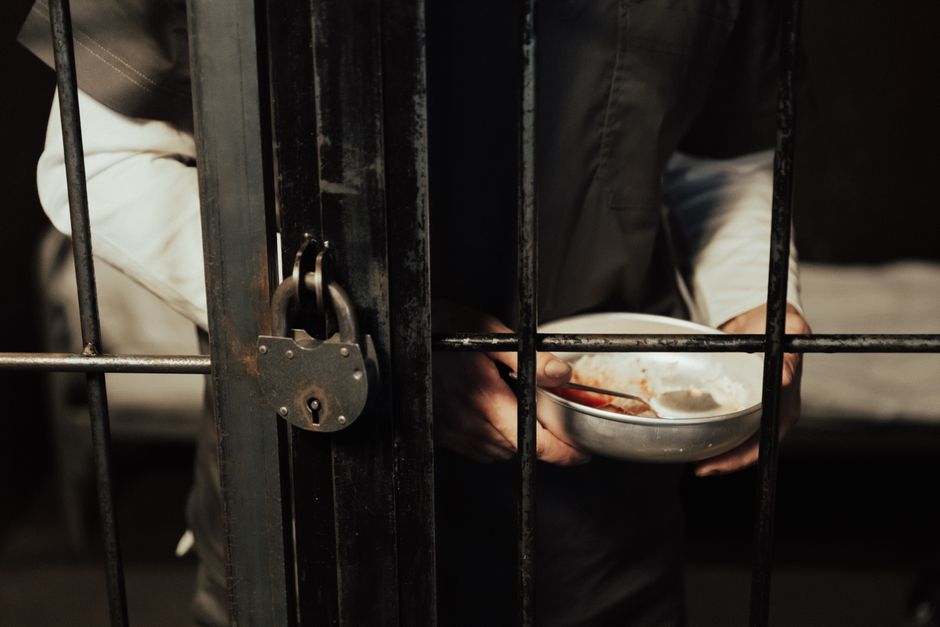
The Portfolio Committee on Correctional Servicescomprehensive pricing schedule for perishable and non-perishable food items before procurement, following a review of current contracts and recent renegotiations.
What the committee heard
During a committee meeting on Tuesday, members were told that renegotiations affected suppliers across distribution and warehousing: 60 suppliers under distribution and 80 suppliers under warehousing were cited as impacted by price renegotiations on items including bread, flour, assorted spices, gravy powder and pan‑release oil. The committee praised the price renegotiations and the cost reductions achieved under the existing five‑year food contract.
The food contract began on 1 April 2025 and runs until 31 March 2030. It involves 115 service providers delivering 66 nutritional products across all six regions. Contracts are reviewable every six months.
Budgetary pressures and procurement concerns
The committee noted that food provisions account for more than R1.06 billion in annual expenditure, while DCS has projected an overall budget deficit of R749 million for 2026/2027. To guard public funds, the committee said DCS should establish the reasonable market price of goods before going out to tender so officials can interrogate excessive quotations prior to awarding contracts.
Formal benchmarks and verification
Committee Chairperson Kgomotso Anthea Ramolobeng said formal pricing benchmarks would strengthen procurement controls and reduce the risk of inflated prices entering active contracts. She said it did not make sense for an item that ordinarily costs R200 in the marketplace to be procured at R2,000, and called for stronger internal verification processes to ensure pricing, quantities and product specifications are correctly reflected in contracts.
“Errors of this nature create unnecessary mistrust, particularly when they involve public funds. There must be proper verification of quantities, specifications and prices before a contract is approved and throughout its implementation,”
Ramolobeng cited a specific discrepancy involving oil, where contract pricing referred to one litre while the intended supply was different.
Committee requests and next steps
The committee asked DCS to provide a comprehensive pricing schedule of all perishable and non‑perishable food items, including the prices currently being paid for each item, so the committee can assess the broader procurement picture rather than focusing only on items already identified as problematic.
Ramolobeng said the committee will require DCS to report on:
- the recovery of funds paid under initial inflated rates;
- the status of referrals to the South African Police Service relating to suspected collusion;
- measures to reduce over‑reliance on external consultants; and
- consequence management where applicable.
She emphasised that price reviews during the life of a contract are important but cannot replace proper market research before procurement begins:
“The department must have a clear understanding of prevailing market prices and use that information to interrogate quotations before public funds are committed,”
Ramolobeng said.
Follow Joburg ETC on Facebook, Twitter, TikTok and Instagram
For more News in Johannesburg, visit joburgetc.com
Source: iol.co.za